Trump Offers US Aid After Two Major Earthquakes Hit Venezuela
Synopsis
The White House posted a statement from President Trump on June 25, 2026, offering US disaster assistance to Venezuela after two major earthquakes caused mass casualties. The offer comes despite longstanding US sanctions on the Maduro government, reflecting a pattern of separating humanitarian aid from diplomatic tensions.
Key Takeaways
Trump offered US assistance to Venezuela on June 25, 2026 after two major earthquakes struck the country.
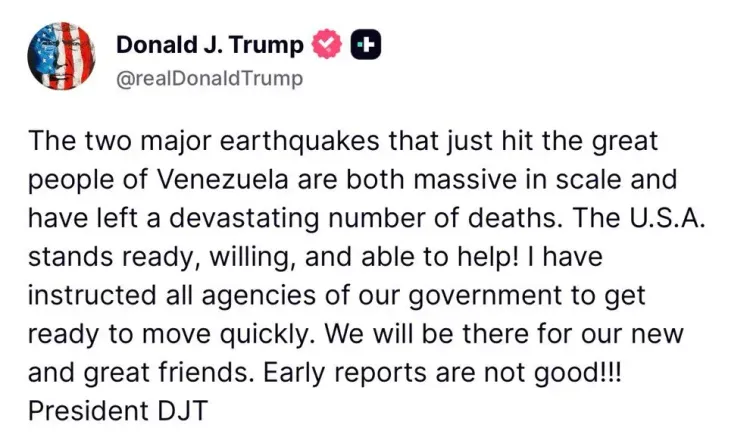
Trump described the earthquakes as 'massive in scale' and said they left a 'devastating number of deaths,' though no specific figures were provided.
The United States has maintained sanctions on Venezuela 's Maduro government since the late 2010s, but has historically kept humanitarian offers separate from political disputes.
During Trump 's first term in 2019 , the US similarly offered humanitarian aid to Venezuela amid its political and economic crisis.
The Venezuelan government's acceptance or rejection of the offer will be a key indicator of whether disaster diplomacy can bridge the bilateral divide.
International bodies such as the UN and the Red Cross may serve as intermediaries if direct US–Venezuela coordination proves difficult.
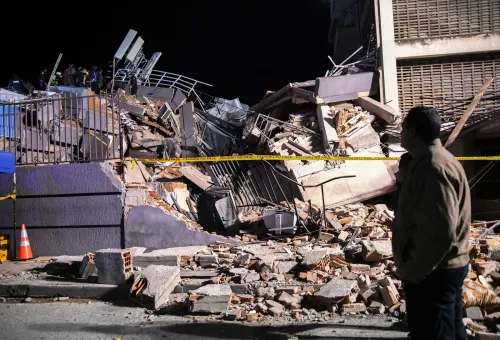
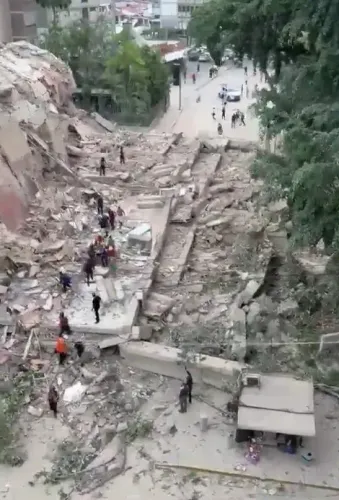
Washington DC, June 25, 2026 — The White House announced on Thursday that President Donald J. Trump has extended an offer of disaster assistance to Venezuela following two major earthquakes that struck the country, describing the seismic events as 'massive in scale' and causing a 'devastating number of deaths.'
What the White House Said
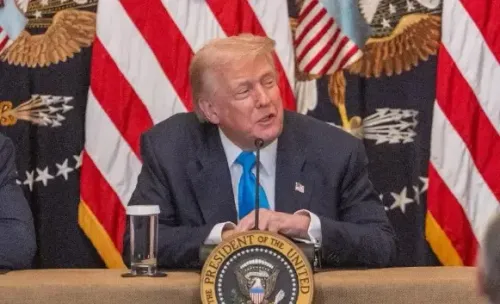
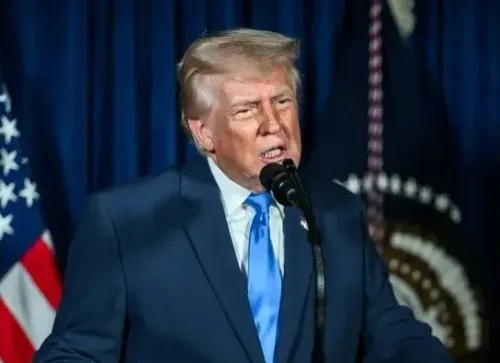
In a statement attributed directly to President Trump and posted on the official White House account, he said: 'The two major earthquakes that just hit the great people of Venezuela are both massive in scale and have left a devastating number of deaths. The U.S.A. stands ready, willing, and able to help!' The post was accompanied by an image and was published in the early hours of June 25, 2026.
The statement notably separates the Venezuelan people from their government, a rhetorical distinction consistent with Trump's prior public posture toward Caracas. No specific casualty figures, epicentre locations, or magnitude readings were included in the White House post.
Context
Venezuela sits within a seismically active zone in northern South America, and the country has experienced significant earthquakes historically. The nation is also navigating a prolonged political and humanitarian crisis under the government of Nicolás Maduro, which has strained its capacity to respond to large-scale natural disasters.
The United States has maintained a sanctions regime against Venezuela since the late 2010s, targeting government officials and key economic sectors. Despite this, Washington has periodically signalled willingness to provide humanitarian relief to Venezuelan civilians, keeping the two tracks — sanctions and aid — formally separate.
Policy Backdrop
During Trump's first term, the US publicly offered humanitarian assistance to Venezuela in 2019 amid a political and economic collapse, even as it backed opposition figures and tightened financial restrictions on the Maduro administration. That precedent established a pattern where disaster or humanitarian offers are extended independently of diplomatic hostility.
This practice is consistent with long-standing US foreign policy, under which successive administrations have offered disaster relief to countries with which Washington has fraught or adversarial relationships. Such offers carry both humanitarian and diplomatic signalling value on the international stage.
Stakeholders and Impact
The most immediate stakeholders are Venezuelan civilians affected by the earthquakes, who may require search-and-rescue support, medical aid, and emergency supplies. US agencies such as USAID and the Office of US Foreign Disaster Assistance (OFDA) are the institutional mechanisms through which such aid is typically channelled.
The Maduro government's response to the offer will be closely watched. Caracas has in the past rejected or conditioned acceptance of US assistance, citing sovereignty concerns and characterising offers as politically motivated. International bodies including the United Nations and the Red Cross could serve as intermediaries if direct bilateral coordination proves difficult.
What's Next
The critical next step is whether the Venezuelan government formally requests or accepts US assistance, and whether Washington coordinates with multilateral organisations to deliver aid on the ground. Any formal aid deployment would require logistical and possibly diplomatic groundwork given the absence of normal bilateral relations.
The offer, if acted upon, could represent a rare moment of practical engagement between Washington and Caracas at a time of acute humanitarian need — and a test of whether disaster diplomacy can create even temporary openings between two governments at odds.
Point of View
Allowing Washington to signal goodwill to Venezuelan civilians without legitimising the Maduro administration. For a second-term Trump White House that has otherwise maintained a hawkish posture toward Caracas, the statement is notable for its warmth in tone. Whether it translates into actual aid coordination, or remains a symbolic gesture, will define its real policy weight.
NationPress
25 Jun 2026
Frequently Asked Questions
Did Trump offer help to Venezuela after the earthquake?
Yes. On June 25, 2026 , President Donald J. Trump posted a statement through the White House saying the US is 'ready, willing, and able to help' Venezuela after two major earthquakes caused mass casualties.
How many people died in the Venezuela earthquake 2026?
The White House statement described a 'devastating number of deaths' but did not provide specific casualty figures. Official death tolls are expected from Venezuelan and international emergency authorities.
Will the US send aid to Venezuela despite sanctions?
The Trump administration has offered assistance, but delivery depends on whether the Venezuelan government accepts. The US has previously offered humanitarian aid to Venezuela while maintaining sanctions, treating the two tracks separately.
What is the US relationship with Venezuela in 2026?
The United States and Venezuela do not have normal diplomatic relations. Washington has maintained targeted sanctions on the Maduro government since the late 2010s, though humanitarian channels have occasionally remained open.
Where did the Venezuela earthquake happen in June 2026?
The White House post confirmed two major earthquakes struck Venezuela but did not specify the epicentres or affected regions. More precise location data is expected from seismological and emergency management authorities.