Telangana SIR 2025: Door-to-door voter enumeration begins, 36,000 BLOs deployed
Synopsis
Nearly 36,000 Booth Level Officers fanned out across Telangana on 25 June under the Election Commission's Special Intensive Revision — a massive voter-roll cleanup exercise that must resolve anomalies flagged against 90 lakh of the state's 3.38 crore electors before the final rolls are published on 1 October.
Key Takeaways
The Election Commission of India launched Special Intensive Revision (SIR) door-to-door enumeration across Telangana on 25 June 2025 .
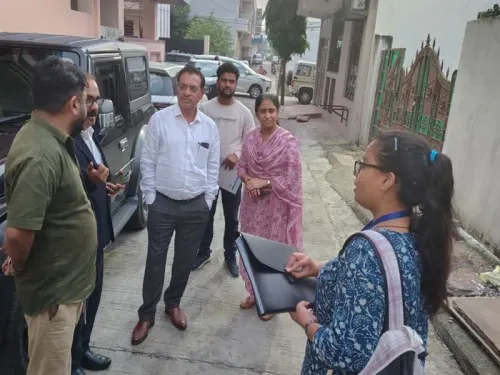
Nearly 36,000 BLOs , supervised by 3,500+ supervisors and 1,000+ senior officials, have been deployed statewide.
Telangana has over 3.38 crore registered voters; nearly 90 lakh have been flagged with anomalies.
Electors can submit forms digitally via the ECI app or voters.eci.in ; no documents will be collected during visits.
Draft electoral roll to be published on 31 July ; claims and objections accepted until 30 August ; final roll due 1 October .
The Election Commission of India (ECI) launched door-to-door enumeration under the Special Intensive Revision (SIR) of electoral rolls across Telangana on Thursday, 25 June, deploying nearly 36,000 Booth Level Officers (BLOs) to reach every registered household in the state. The exercise, which runs until 27 July, aims to update and verify the rolls ahead of the final publication scheduled for 1 October.
How the Enumeration Works
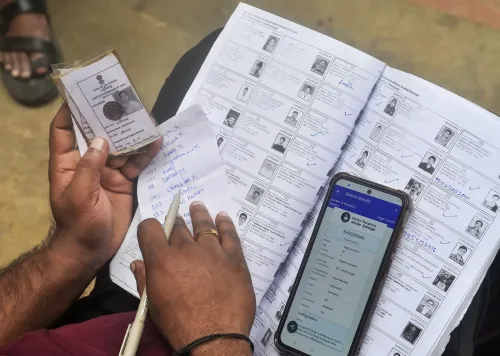
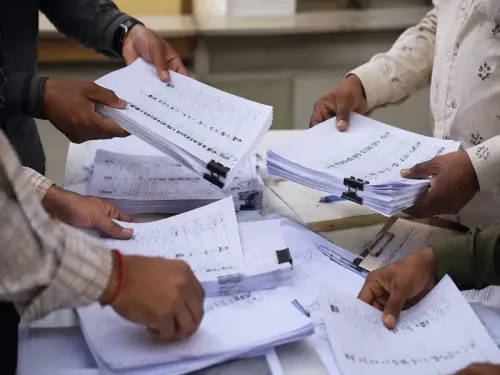
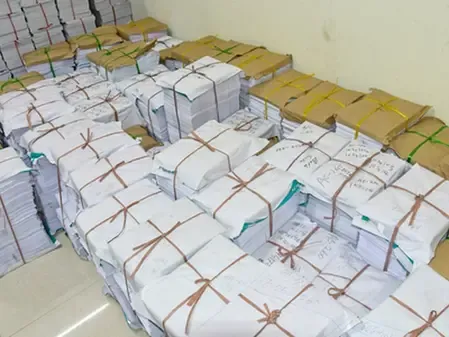
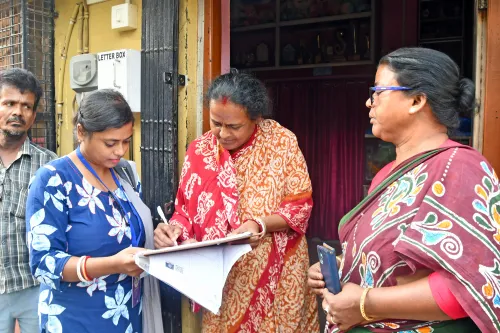
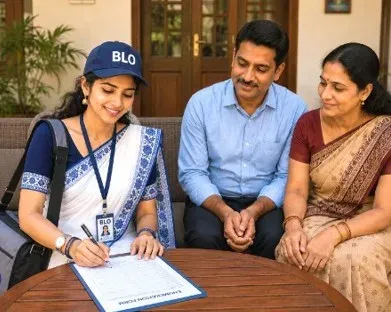
BLOs are distributing pre-printed enumeration forms — one original and one duplicate — during door-to-door visits this week. Electors must fill in the original form and return it to their BLO during a subsequent visit, after which an acknowledgement slip is issued. The duplicate copy is to be retained by the elector for their records.
If a household is found locked, the form will be placed at the doorstep. Where the elector is unavailable, any adult family member may receive the form on their behalf. Each BLO has been assigned roughly 800 to 1,000 electors and will make multiple visits to ensure coverage. Importantly, election authorities have clarified that no documents will be collected during this exercise — only the filled enumeration forms.
Digital Options for Voters
Chief Electoral Officer (CEO) C. Sudarshan Reddy stated that voters can also submit their enumeration forms digitally through the ECI app or by visiting voters.eci.in. Forms submitted online are routed directly to the concerned polling station or Electoral Registration Officer (ERO). Electors who have not received a form can contact their BLO via the phone numbers listed on the official website or use the 'Book a Call with BLO' facility. The ECINET app is also available for assistance.
Scale of the Exercise
Telangana has over 3.38 crore registered voters. As of 20 June, 2.38 crore electors had been mapped, while nearly 90 lakh electors had been identified with anomalies, according to official sources. To manage this scale, more than 3,500 supervisors have been assigned to oversee BLOs, with over 1,000 senior officials monitoring the exercise at a higher level.
Key Dates and What Happens Next
The collection of filled forms begins one week after distribution. The draft electoral roll will be published on 31 July, after which electors can file claims and objections until 30 August. EROs will concurrently handle notices, hearings, verification, and disposal of claims from 31 July to 28 September. The final electoral roll will be published on 1 October. The SIR process is a critical step in ensuring that anomalies — which affect nearly one in four mapped voters — are resolved before the rolls are finalised.
Point of View
But the ECI's credibility here depends on whether the October final roll demonstrably reduces that figure, not merely processes it. Digital submission options are a welcome addition, but in a state where access gaps remain, the BLO's shoe-leather visits are still the backbone of this exercise — and with 800–1,000 electors each, the margin for error per officer is thin.
NationPress
24 Sept 2026
Frequently Asked Questions
What is the Special Intensive Revision (SIR) of electoral rolls in Telangana?
The Special Intensive Revision (SIR) is an Election Commission of India exercise to update and verify Telangana's voter rolls through door-to-door enumeration. It was launched on 25 June 2025 and will culminate in the publication of the final electoral roll on 1 October 2025.
How will BLOs conduct the door-to-door enumeration?
Booth Level Officers will visit households to distribute pre-printed enumeration forms — one original and one duplicate. Electors fill in the original and return it during a follow-up BLO visit in exchange for an acknowledgement slip. If the house is locked, the form is left at the doorstep.
Can voters submit their enumeration forms online?
Yes. Chief Electoral Officer C. Sudarshan Reddy confirmed that electors can submit their forms digitally through the ECI app or at voters.eci.in. Online submissions are sent directly to the relevant polling station or Electoral Registration Officer.
What are the key deadlines in the Telangana SIR 2025 process?
Form distribution runs from 25 June to 27 July. The draft electoral roll will be published on 31 July. Electors can raise claims and objections from 31 July to 30 August. EROs will dispose of claims by 28 September, and the final electoral roll will be published on 1 October 2025.
How many voters in Telangana have been flagged with anomalies?
According to official sources, nearly 90 lakh electors out of the 2.38 crore mapped as of 20 June had been identified with anomalies. The total registered voter base in Telangana stands at over 3.38 crore.