Venezuela earthquakes: Magnitude 7.5 and 7.1 strike near Moron, buildings collapse in Caracas
Synopsis
A magnitude 7.5 and a magnitude 7.1 earthquake struck Venezuela within one minute of each other on 25 June, collapsing buildings in Caracas and prompting the USGS to warn of high casualties. With aftershocks expected and Venezuela's infrastructure already strained, the full toll is yet to emerge — making this one of the most serious seismic events to hit the country in years.
Key Takeaways
A magnitude 7.5 and a magnitude 7.1 earthquake struck near Moron, Venezuela — about 160 km west of Caracas — on 25 June , just one minute apart.
Both quakes were shallow at 10 km depth , amplifying their destructive impact.
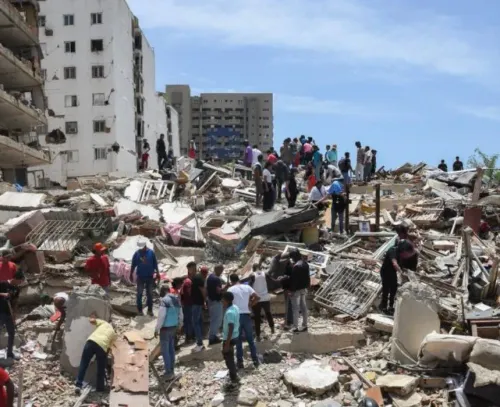
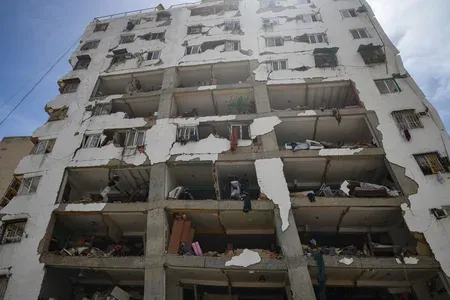
Several buildings collapsed in the eastern Caracas metropolitan area ; casualty figures have not yet been confirmed.
Interior Minister Diosdado Cabello warned residents to stay out of buildings due to aftershock risk.
The USGS assessed both quakes as likely to cause high casualties and extensive damage .
The tremors were also felt in neighbouring Colombia ; a separate magnitude 6.9 quake struck Iwate Prefecture, Japan on Thursday with no tsunami threat.
Two powerful earthquakes struck Venezuela in rapid succession on Wednesday, 25 June, sending strong tremors through the capital Caracas and causing building collapses across the metropolitan area. The US Geological Survey (USGS) has warned that the twin quakes are likely to result in high casualties and extensive damage.
What Happened
The first quake, measuring magnitude 7.1, struck at 2204 GMT on Wednesday evening, followed just one minute later by an even stronger magnitude 7.5 tremor. Both quakes originated near the coastal town of Moron, approximately 160 km west of Caracas, at a shallow depth of 10 km — a factor that significantly amplifies destructive impact at the surface.
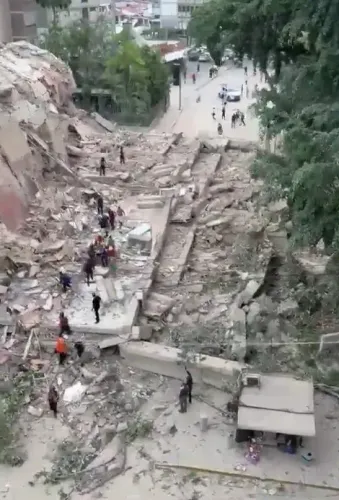
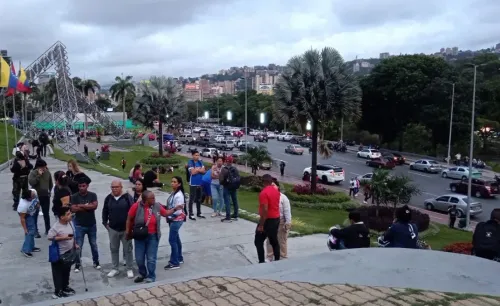
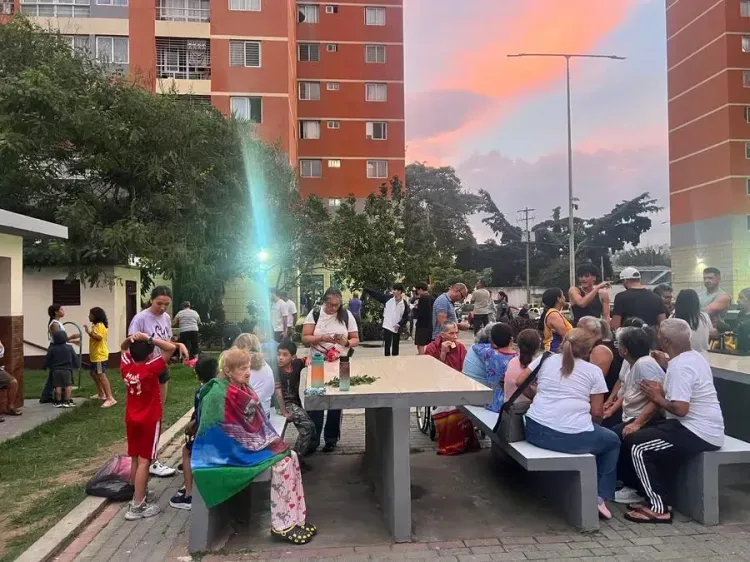
Witnesses in Caracas reported shaking windows and toppled furniture, while images circulating on social media showed collapsed houses on city streets. Several buildings are confirmed to have collapsed in the eastern part of the Caracas metropolitan area.
What the Government Said
Venezuela's Interior, Justice and Peace Minister Diosdado Cabello confirmed that the earthquakes had caused damage across multiple cities in the country. He did not immediately provide figures on casualties or injuries. Cabello urged residents to avoid remaining inside buildings in the coming hours due to the risk of strong aftershocks that could trigger further collapses. He also called on the public to remain calm and united as the country responds to the disaster.
Scale of the Threat
The USGS assessed that both quakes are likely to result in high casualties and extensive structural damage — a designation it reserves for events with the most severe projected impact. The shallow depth of 10 km is a critical factor: shallow earthquakes release energy closer to the surface, amplifying ground shaking and the risk of building failure. This comes amid Venezuela's existing infrastructure vulnerabilities, which could compound the toll.
The tremors were also felt strongly across the border in Colombia, according to Colombian media reports, underscoring the regional scale of the seismic event.
Japan Earthquake — Separate Incident
In an unrelated development, a magnitude 6.9 earthquake struck off the Pacific coast of Iwate Prefecture in northeastern Japan on Thursday morning at approximately 7:30 am local time, according to the Japan Meteorological Agency. The quake occurred at a depth of 50 km and shook a wide area across Japan's northeast, briefly disrupting transport services. Authorities confirmed there was no tsunami threat.
What Comes Next
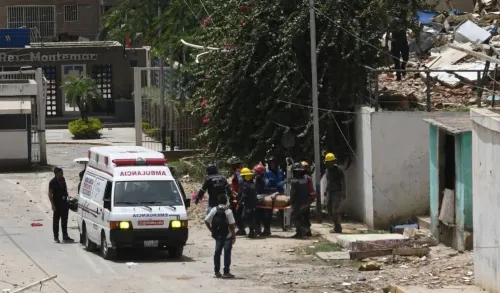
Venezuelan authorities are assessing the full extent of the damage as emergency teams mobilise. With aftershocks expected and several structures already compromised, casualty figures are likely to rise. International attention is now focused on whether Venezuela — which has faced years of economic strain — has the emergency response capacity to manage a disaster of this scale.
Point of View
High magnitude, and proximity to a densely populated coast. What makes this event particularly concerning is the one-minute interval between the two quakes: the 7.1 likely weakened structures that the 7.5 then finished off, a compounding sequence that rescue teams will now have to navigate in a country whose public infrastructure has been under severe stress for years. The absence of immediate casualty figures from Caracas suggests either communications disruption or a government managing information flow — both scenarios that warrant close international scrutiny in the hours ahead.
NationPress
23 Sept 2026
Frequently Asked Questions
What earthquakes struck Venezuela on 25 June?
Two powerful earthquakes — a magnitude 7.1 followed one minute later by a magnitude 7.5 — struck near the coastal town of Moron, approximately 160 km west of Caracas, on the evening of 25 June. Both were shallow at 10 km depth, significantly increasing their destructive potential.
Have casualties been confirmed in the Venezuela earthquake?
As of the initial reports, Interior Minister Diosdado Cabello confirmed building collapses in eastern Caracas but provided no immediate figures on casualties or injuries. The USGS has assessed that both quakes are likely to result in high casualties and extensive damage.
Why are shallow earthquakes more dangerous?
Shallow earthquakes, like the Venezuela quakes at 10 km depth, release seismic energy closer to the Earth's surface, resulting in stronger ground shaking and greater structural damage compared to deeper quakes of the same magnitude.
Was the Venezuela earthquake felt in other countries?
Yes, the tremors were reported to have been felt strongly in several cities in neighbouring Colombia, according to Colombian media reports, reflecting the large magnitude of the event.
What is the Japan earthquake mentioned in reports?
A separate magnitude 6.9 earthquake struck off the Pacific coast of Iwate Prefecture in northeastern Japan on Thursday morning at around 7:30 am local time. The Japan Meteorological Agency confirmed no tsunami threat, and while transport services were briefly disrupted, it is unrelated to the Venezuela event.