Venezuela earthquakes death toll hits 235 after twin 7.5 and 7.2 strikes
Synopsis
Two earthquakes — magnitudes 7.5 and 7.2, just 40 seconds apart — have killed at least 235 people in Venezuela, the country's deadliest seismic event in decades. With 200 still trapped and aging infrastructure compounding the toll, Venezuela's capacity to manage the crisis is being tested in real time.
Key Takeaways
Venezuela's health ministry confirmed at least 235 deaths on Thursday, 26 June following twin earthquakes.
The quakes measured magnitudes 7.5 and 7.2 , striking just 40 seconds apart on Wednesday at a depth of 10 km .
Approximately 200 people remain trapped under rubble, according to National Assembly President Jorge Rodriguez .
The government has established a 200-million-USD emergency relief fund and is mobilising private debris-removal equipment.
At least a dozen countries have offered assistance as Foreign Minister Yvan Gil coordinates international aid.
Venezuela had not experienced a major earthquake in roughly half a century , leaving infrastructure and preparedness critically underdeveloped.
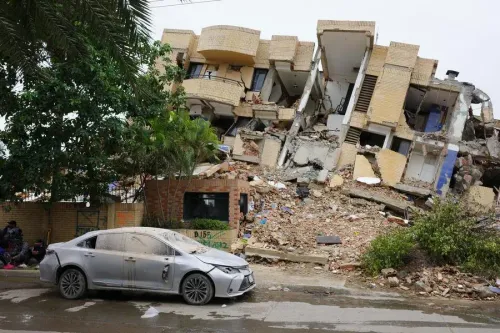
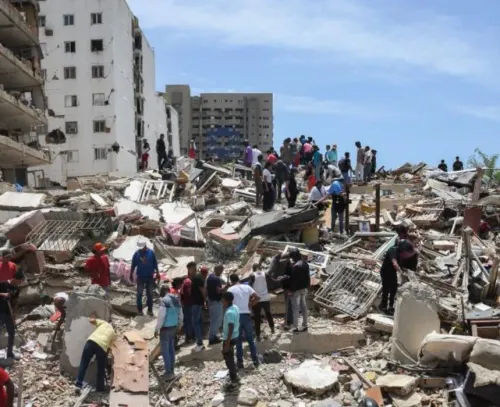
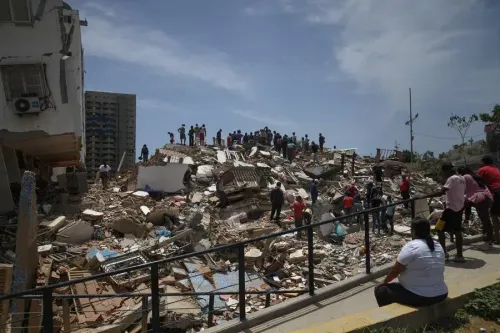
Venezuela's health ministry confirmed on Thursday, 26 June that the death toll from twin powerful earthquakes had climbed to at least 235, with authorities warning the figure could rise further as rescue teams struggled to reach the worst-affected areas. The twin tremors — measuring magnitudes of 7.5 and 7.2 and striking just 40 seconds apart on Wednesday — are the strongest to hit the South American nation in more than a century and the deadliest in decades.
Scale of the Disaster
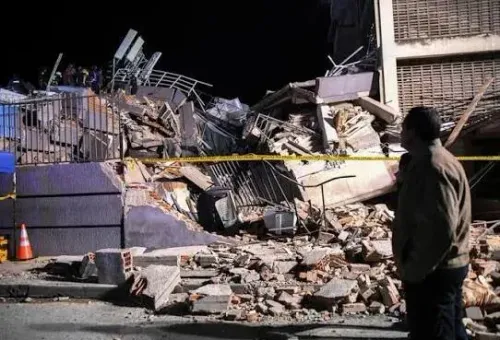
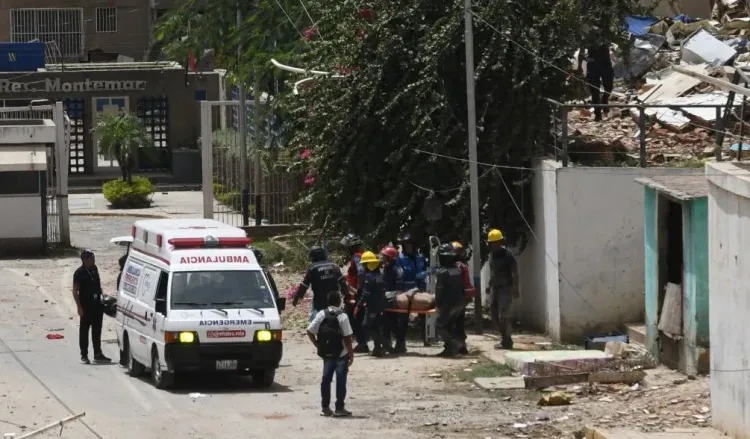
The shallow earthquakes, both occurring at a depth of just 10 km, released the bulk of their energy near the surface, maximising destruction across Venezuela's central coast and the capital Caracas. The proximity of the epicentres to Caracas — one of the country's most densely populated urban areas — significantly amplified the impact. Widespread building collapses, power outages, and communications failures followed in the immediate aftermath, with repeated aftershocks raising fears of secondary structural failures.
Hundreds Still Trapped Under Rubble
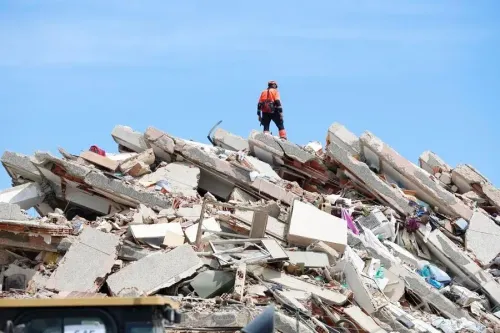
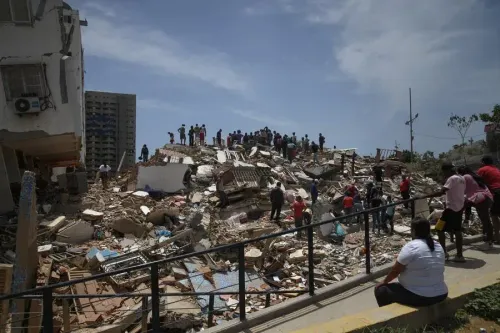
National Assembly President Jorge Rodriguez told a press conference on Thursday that approximately 200 people remained trapped beneath collapsed buildings. 'We are racing against time in the hope of rescuing as many people as possible,' Rodriguez said. Rescue teams have been deployed across the northern regions, though authorities acknowledged that reaching the worst-hit zones remained a significant challenge.
Government Response and Relief Measures
Rodriguez announced three immediate measures to drive rescue and reconstruction efforts. These include mobilising debris-removal equipment from private companies, establishing a 200-million-USD emergency assistance fund, and providing special credit lines to affected business owners. Foreign Minister Yvan Gil confirmed on Thursday that Venezuela was actively coordinating international assistance, with at least a dozen countries from the region and beyond having expressed solidarity and offered aid.
Why the Damage Was So Severe
Experts have noted that Venezuela had experienced no major earthquake for roughly half a century, leaving much of the population with limited disaster preparedness. Decades of underinvestment in infrastructure have compounded the risk, with aging buildings proving particularly vulnerable to strong seismic activity. This combination — seismic inexperience, deteriorating structures, and shallow high-magnitude strikes — made the twin earthquakes an especially devastating event.
What Comes Next
As rescue operations continue against the clock, the death toll is expected to climb as teams access areas still cut off by debris and infrastructure damage. The international community's response in the coming days will be critical to supplementing Venezuela's strained emergency resources. The scale of reconstruction needed — across both Caracas and the central coast — points to a recovery effort that will extend well beyond the immediate crisis.
Point of View
While aging buildings were never retrofitted to modern standards. The 200-million-USD relief fund sounds substantial, but Venezuela's public finances are deeply constrained, making international aid not a supplement but a necessity. The real test will be whether the coordination machinery — already stretched by years of crisis governance — can translate pledges into on-the-ground rescue capacity before the window for survivors closes.
NationPress
24 Sept 2026
Frequently Asked Questions
What happened in the Venezuela earthquakes?
Two powerful earthquakes measuring magnitudes 7.5 and 7.2 struck Venezuela on Wednesday, just 40 seconds apart, devastating parts of the central coast and the capital Caracas. The tremors triggered widespread building collapses, power outages, and communications failures, killing at least 235 people as of Thursday evening.
How many people are still trapped after the Venezuela earthquakes?
National Assembly President Jorge Rodriguez confirmed on Thursday that approximately 200 people remained trapped under collapsed buildings. Rescue teams are working under significant pressure, with aftershocks continuing to pose risks of secondary collapses.
Why was the earthquake damage in Venezuela so severe?
The earthquakes were shallow, occurring at just 10 km depth, which concentrated their destructive energy near the surface. Venezuela had not experienced a major earthquake in roughly 50 years, leaving many buildings aging and unretrofitted, and the population with limited disaster preparedness.
What relief measures has Venezuela's government announced?
The government announced three key measures: mobilising debris-removal equipment from private companies, establishing a 200-million-USD emergency assistance fund, and providing special credit lines to affected business owners. Foreign Minister Yvan Gil is also coordinating international aid from at least a dozen countries.
Are these the strongest earthquakes Venezuela has ever experienced?
The twin earthquakes are reportedly the strongest to strike Venezuela in more than a century and the deadliest in decades, according to available seismic records. The last comparable seismic event was over 50 years ago, making Wednesday's strikes an unprecedented modern disaster for the country.