Venezuela quake death toll climbs to 2,645 after June 24 twin earthquakes
Synopsis
Venezuela's twin magnitude-7.5 and 7.2 earthquakes have now killed 2,645 people and injured over 12,666 — making this one of the deadliest seismic events in the country's recent history. With 890 aftershocks recorded, tens of thousands still missing, and nearly 29,000 emergency responders deployed, the scale of the crisis is still unfolding ten days after the initial strike.
Key Takeaways
The death toll from Venezuela's twin earthquakes of 24 June has risen to 2,645 , with 12,666 people injured.
The quakes measured magnitude 7.5 and 7.2 , striking north of Caracas ; 890 aftershocks have since been recorded.
6,462 people have been rescued and 86,117 families have received assistance as of 4 July .
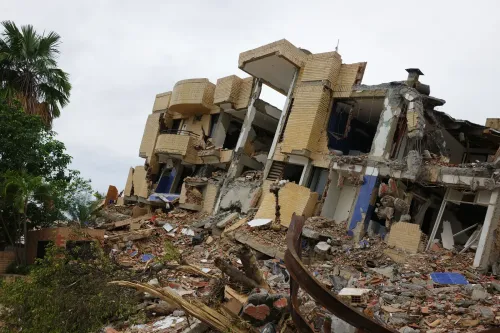
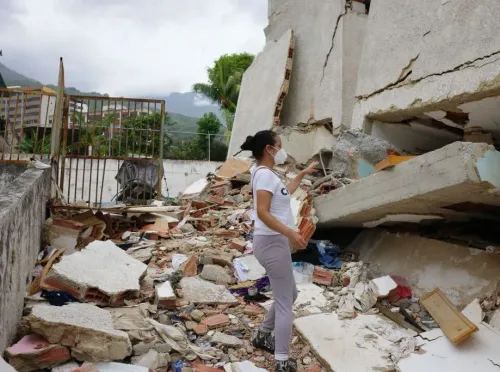
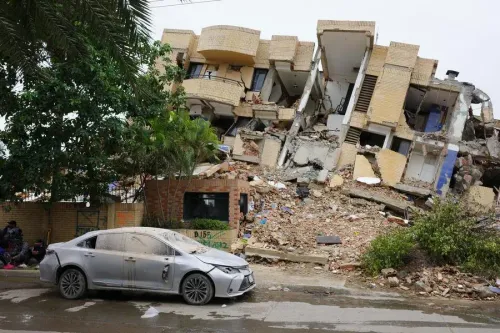
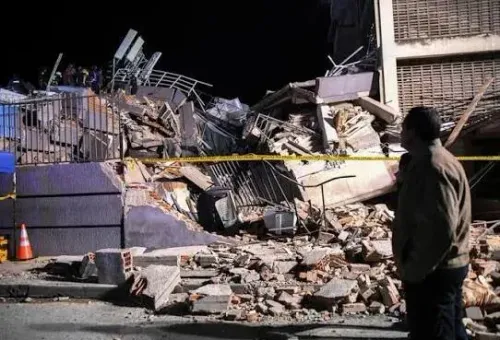
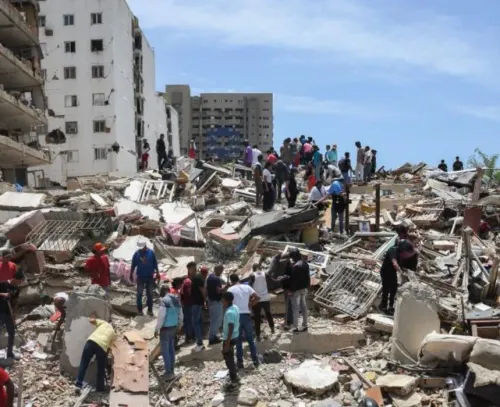
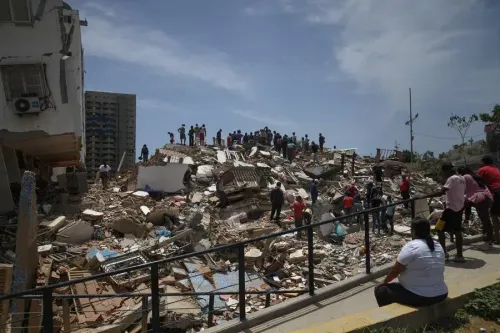
885 buildings were damaged and 189 collapsed; 59 temporary camps have been established for displaced residents.
Acting President Delcy Rodriguez declared seven days of national mourning for the victims.
A total of 3,305 international rescuers and 29,567 emergency responders remain deployed across Venezuela.
The death toll from the twin earthquakes that devastated Venezuela on 24 June has risen to 2,645, with a further 12,666 people reported injured, Venezuelan National Assembly President Jorge Rodriguez confirmed in an update on 4 July. The disaster, triggered by two powerful tremors measuring magnitude 7.5 and 7.2 north of Caracas, has become one of the deadliest seismic events in Venezuela's modern history.
Scale of Destruction
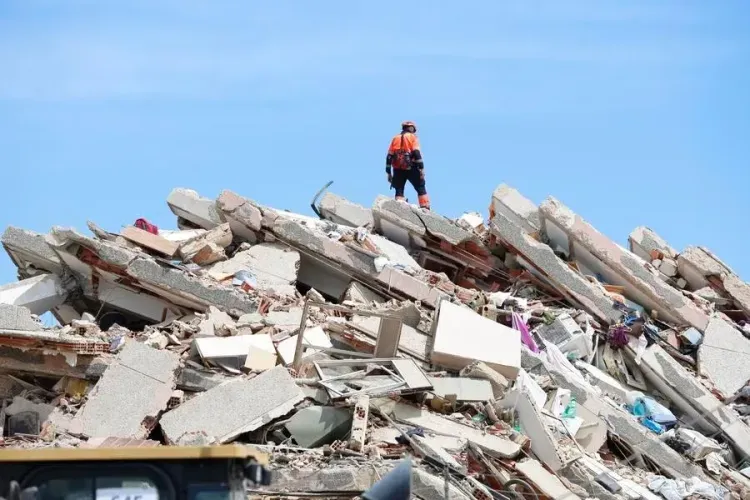
According to Rodriguez, who also heads the national command centre for temporary relief camps, 885 buildings were damaged and a further 189 collapsed entirely. The earthquakes have generated 890 aftershocks since 24 June, compounding the humanitarian challenge on the ground. Authorities have noted that tens of thousands of people remain unaccounted for.
Rescue and Relief Operations
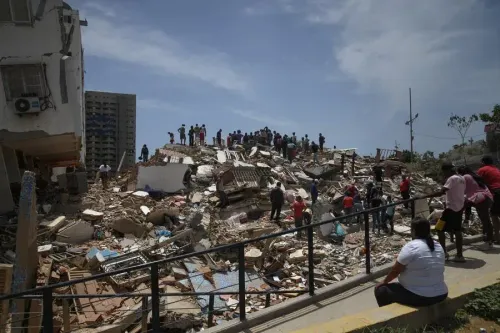
Rodriguez reported that 6,462 people had been rescued and 86,117 families had received assistance as of Friday. A total of 3,305 international rescuers and 29,567 emergency responders remain deployed across the country. Authorities have established 59 temporary camps to shelter those displaced, including 13 in La Guaira, eight in Caracas, two in Miranda, and one each in Carabobo and Yaracuy.
National Mourning Declared
Venezuela's acting president Delcy Rodriguez declared seven days of national mourning in tribute to the victims, effective from 6:00 pm on the day of the announcement. “In honour of the memory of the victims, I have decided to decree National Mourning for seven (7) days, starting at 6:00 p.m. today,” she wrote in a statement posted on social media. She added: “In these moments of profound sadness, we embrace those who suffer from this tragedy and reaffirm our commitment to accompany and protect them.” Delcy Rodriguez further stated that “Venezuela’s soul is torn by the human losses caused by the devastating earthquakes.”
Emergency Registration Drive
Rodriguez also called on health workers, security personnel, and firefighters to register on the Patria platform to address the acute housing crisis created by the earthquakes. Authorities said camps were being rapidly equipped and affected families transferred to them as quickly as possible. This comes amid mounting international concern over the pace of the relief effort and the capacity of Venezuela’s strained public infrastructure to absorb a disaster of this magnitude.
What Comes Next
With aftershocks continuing and tens of thousands still unaccounted for, the humanitarian situation in Venezuela remains critical. International rescue teams are expected to remain deployed for the foreseeable future, while the government faces pressure to accelerate the transition of displaced families from temporary camps to more permanent shelter solutions.
Point of View
But the numbers also expose a deeper vulnerability: a country whose public infrastructure and economy were already under severe strain before the tremors struck. With tens of thousands still unaccounted for and only 59 temporary camps operational for a displaced population of this size, the gap between the official relief narrative and ground reality warrants scrutiny. The reliance on international rescuers — over 3,300 deployed — signals that domestic capacity is stretched thin. The seven-day mourning decree is a symbolic gesture, but the harder test will be how quickly the government can move families from emergency camps to durable shelter, a challenge Venezuela’s fiscal position makes formidable.
NationPress
2 Oct 2026
Frequently Asked Questions
What caused the Venezuela earthquake disaster in June 2025?
Two powerful earthquakes measuring magnitude 7.5 and 7.2 struck north of Caracas on 24 June, triggering widespread destruction across multiple Venezuelan states. The twin tremors have since been followed by 890 aftershocks, prolonging the humanitarian emergency.
How many people have died in the Venezuela earthquake?
The confirmed death toll stood at 2,645 as of 4 July, according to Venezuelan National Assembly President Jorge Rodriguez. A further 12,666 people were reported injured, and tens of thousands remain unaccounted for.
What relief measures has Venezuela put in place for earthquake victims?
Authorities have set up 59 temporary camps across affected states including La Guaira, Caracas, Miranda, Carabobo, and Yaracuy. Over 86,117 families have received assistance, and more than 29,500 emergency responders alongside 3,305 international rescuers remain deployed.
Who declared national mourning in Venezuela and for how long?
Acting President Delcy Rodriguez declared seven days of national mourning in tribute to earthquake victims, effective from 6:00 pm on the day of her announcement. She described the losses as tearing at ‘Venezuela’s soul.’
How much structural damage did the Venezuela earthquakes cause?
According to Jorge Rodriguez, the earthquakes damaged 885 buildings and caused 189 others to collapse entirely. The structural damage has displaced a large number of families, prompting the government to rapidly expand its temporary camp network.