Venezuela earthquakes kill 164, injure 971 as magnitude 7.5 strikes Caracas
Synopsis
Two earthquakes above magnitude 7 struck Venezuela within seconds of each other on 25 June, killing at least 164 people — among the deadliest seismic events in the country in over a century. With 30 aftershocks recorded, a national emergency declared, and USGS warning of losses up to 20% of GDP, the full toll is almost certainly still rising.
Key Takeaways
At least 164 people were killed and 971 injured in back-to-back earthquakes in Venezuela on 25 June .
The USGS recorded quakes of magnitude 7.2 and magnitude 7.5 , both at a depth of 10 km , striking within less than a minute of each other.
Acting President Delcy Rodriguez declared a national state of emergency and closed Maiquetia International Airport .
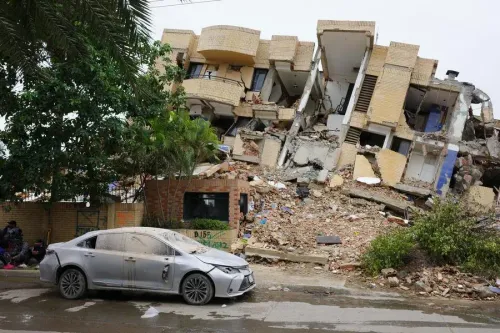
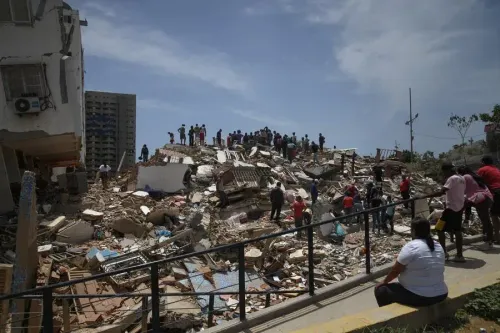
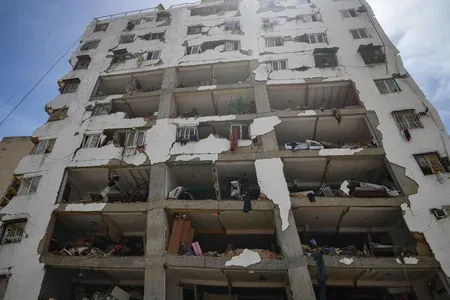
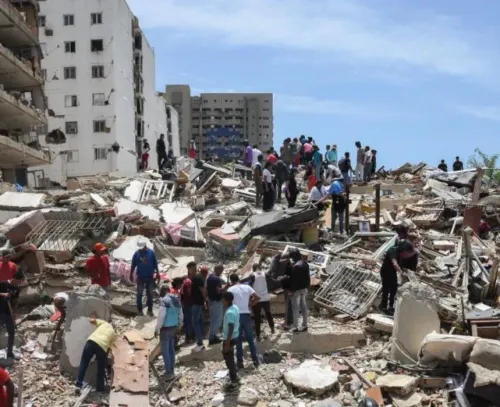
Approximately 30 aftershocks followed; multiple building collapses were reported in eastern Caracas .
The USGS issued a red alert , estimating economic losses at 2%–20% of Venezuela's GDP .
Tremors were felt as far as Brazilian cities , roughly 1,700 km from Caracas.
Back-to-back powerful earthquakes struck Venezuela on Wednesday, 25 June, killing at least 164 people and injuring 971 others, according to acting President Delcy Rodriguez. The twin quakes — both above magnitude 7 — are among the strongest to hit the country in over a century and triggered tremors felt as far as Brazil, roughly 1,700 kilometres away.
How the Earthquakes Unfolded
The shaking began shortly after 6 pm local time (2200 GMT) on Wednesday. Within less than a minute, Venezuela was struck twice. The US Geological Survey (USGS) recorded the first quake at magnitude 7.2 (initially reported as 7.1, later revised) near Montalvan, at a depth of 10 km. The second, even stronger quake measured magnitude 7.5, also at a depth of 10 km.
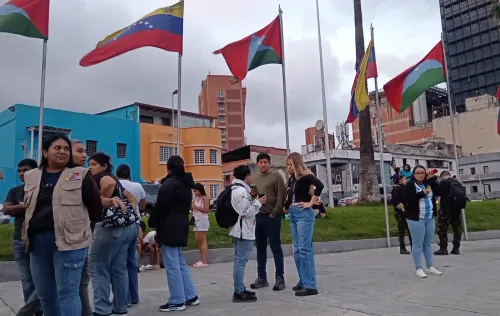
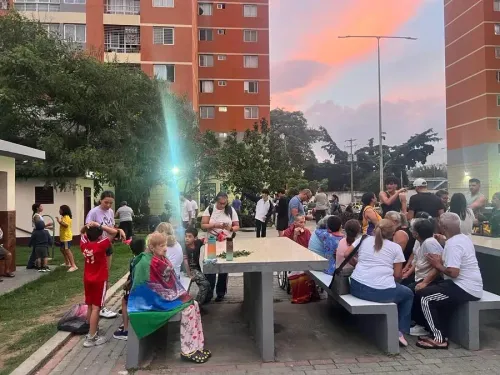
The USGS issued a red alert, warning of significant casualties and widespread damage, with economic losses estimated at between 2% and 20% of Venezuela's gross domestic product. Voltage fluctuations and a brief power outage were reported in residential areas, and many residents gathered in open spaces to avoid buildings as fears of aftershocks spread.
Government Response and Emergency Measures
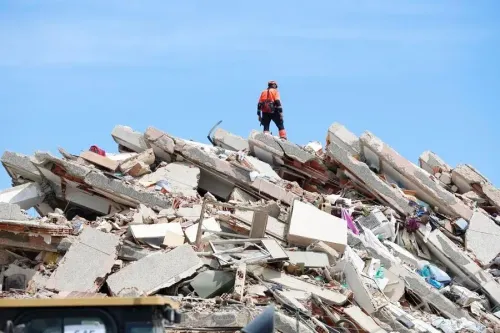
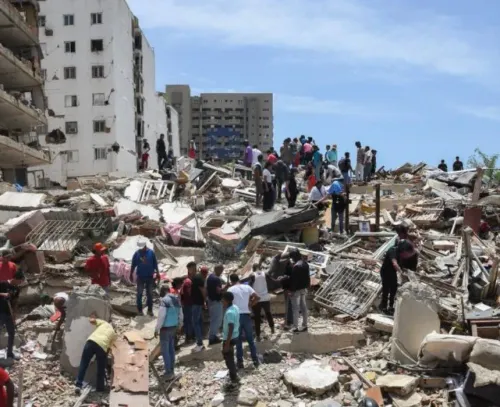
Rodriguez confirmed that the earthquakes had triggered approximately 30 aftershocks and said the government was coordinating resources nationwide to bolster rescue operations in the hardest-hit areas. She also called on the private sector to help procure rescue equipment and supplies.
Rodriguez expressed hope that improved visibility after daybreak would allow rescue workers to accelerate search-and-rescue operations. Earlier, she declared a national state of emergency and ordered the closure of Maiquetia International Airport, the primary airport serving Caracas. Classes and non-essential activities were suspended nationwide for the remainder of the week, and medical personnel across the country were called upon to assist in treating the injured.
Extent of Damage
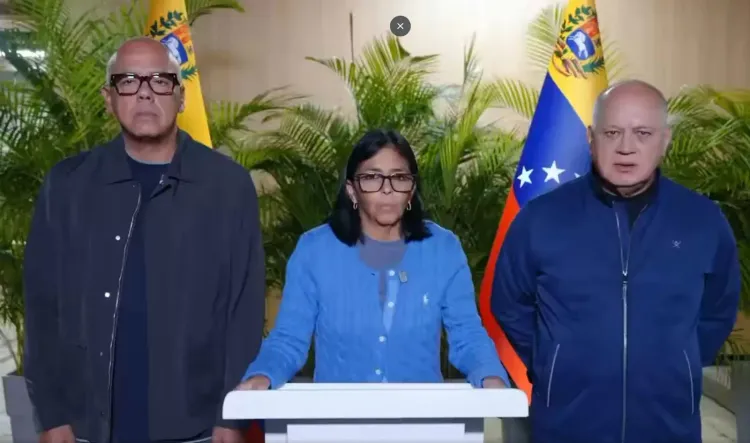
Interior, Justice and Peace Minister Diosdado Cabello said in a televised address on Wednesday night that the earthquakes affected several cities and caused multiple building collapses in eastern Caracas. The tremors were reportedly felt across much of the country and triggered building evacuations in Brazilian cities, underscoring the exceptional reach of the seismic event.
Historical Context
The twin quakes rank among the most destructive seismic events Venezuela has experienced in more than a century. Venezuela sits along active fault lines in northern South America, but earthquakes of this combined magnitude and proximity are exceptionally rare. The 1812 Caracas earthquake and the 1967 Caracas earthquake are among the few comparable events in the country's recorded history.
What Comes Next
Rescue operations are expected to intensify as daylight improves access to collapsed structures. The full scale of casualties and structural damage is likely to rise as teams reach more affected areas. International aid and assessments of the USGS-flagged economic impact — potentially as high as 20% of GDP — will shape the country's recovery outlook in the days ahead.
Frequently Asked Questions
How many people have died in the Venezuela earthquakes?
At least 164 people were killed and 971 others were injured, according to acting President Delcy Rodriguez as of 25 June. The toll is expected to rise as rescue teams reach more affected areas.
What was the magnitude of the Venezuela earthquakes?
The US Geological Survey recorded two earthquakes striking within less than a minute of each other — the first at magnitude 7.2 (initially 7.1, later revised) near Montalvan, and the second at magnitude 7.5, both at a depth of 10 km.
What emergency measures has Venezuela's government announced?
Acting President Delcy Rodriguez declared a national state of emergency, closed Maiquetia International Airport, suspended classes and non-essential activities for the rest of the week, and called on medical personnel nationwide to assist the injured.
How far were the tremors felt?
The tremors were felt across much of Venezuela and triggered building evacuations in Brazilian cities approximately 1,700 kilometres from Caracas, reflecting the exceptional magnitude of the twin quakes.
How significant are these earthquakes historically?
The twin quakes are among the strongest to strike Venezuela in more than a century, comparable in scale only to the 1812 and 1967 Caracas earthquakes. The USGS issued a red alert warning of widespread damage and economic losses of up to 20% of GDP.