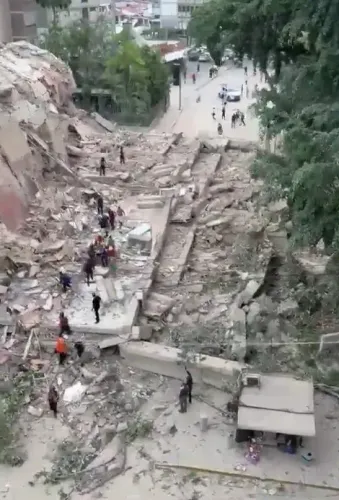
Japan 6.9 and Venezuela 7.5 earthquakes strike on June 25
Synopsis
On 25 June, two separate seismic events shook the world: a 6.9-magnitude quake rattled northeastern Japan, suspending bullet trains and registering near-impossible-to-stand shaking in Aomori — while Venezuela faced a far deadlier double blow, with a 7.1 and a 7.5 striking within a minute near Moron, collapsing buildings in Caracas and prompting a USGS warning of high casualties.
Key Takeaways
A magnitude 6.9 earthquake struck off the Pacific coast of Iwate Prefecture, Japan at 7:30 am on 25 June .
The Japan Meteorological Agency recorded upper 6 intensity shaking in Hashikami and Hachinohe (Aomori Prefecture); no tsunami threat was issued.
JR East suspended Tohoku Shinkansen services between Sendai and Shin-Aomori for safety inspections.
Venezuela was struck by a magnitude 7.1 and a magnitude 7.5 earthquake within one minute, both near Moron , about 160 km west of Caracas .
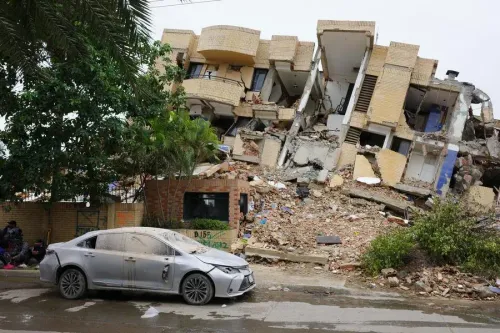
Both Venezuela quakes were shallow at 10 km depth , amplifying destructive potential; buildings reportedly collapsed in Caracas .
The USGS warned that high casualties and extensive damage are likely following the Venezuela twin quakes.
Two major earthquakes struck separate parts of the world on Thursday, 25 June, as a magnitude 6.9 tremor hit northeastern Japan and a pair of powerful quakes — magnitude 7.1 followed by a magnitude 7.5 — rocked Venezuela within the span of a single minute, with buildings reportedly collapsing in the capital Caracas. Authorities in Japan ruled out any tsunami threat, while the US Geological Survey (USGS) warned that high casualties and extensive damage are likely in Venezuela.
Japan Earthquake: What Happened
The Japan quake struck off the Pacific coast of Iwate Prefecture at approximately 7:30 am local time, at a depth of 50 kilometres, according to the Japan Meteorological Agency (JMA). The agency recorded an upper 6 on Japan's seismic intensity scale of 7 in Hashikami and a lower 6 in Hachinohe, both in Aomori Prefecture.
Upper 5 shaking was recorded in Sannohe (Aomori) and Morioka, along with several other areas of Iwate Prefecture. Strong tremors were felt as far as Miyagi, Hokkaido, Akita, Yamagata, and Fukushima prefectures, with shaking also reported in Tokyo and surrounding regions.
Severity of Shaking Explained
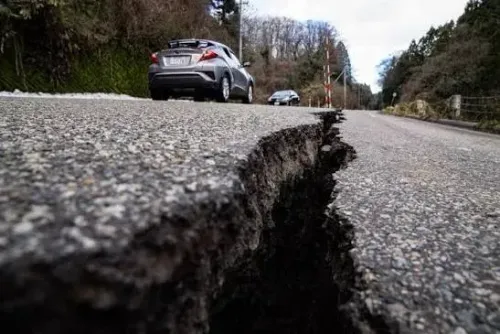
The JMA clarified that an intensity of upper 6 makes it 'nearly impossible for people to remain standing or move around without crawling.' Most unsecured furniture is likely to shift and many objects can topple under such force, the agency noted.
Rail services were disrupted in the aftermath. East Japan Railway Company (JR East) temporarily suspended Tohoku Shinkansen bullet train operations between Sendai and Shin-Aomori stations as safety inspections were carried out.
Venezuela: Twin Quakes Near Moron
Venezuela was struck by two major earthquakes within a minute of each other, both near the coastal town of Moron, approximately 160 km west of Caracas. The USGS recorded a magnitude 7.1 quake followed almost immediately by a stronger magnitude 7.5 tremor. Both were shallow, at a depth of just 10 kilometres — a factor that can significantly amplify surface destruction.
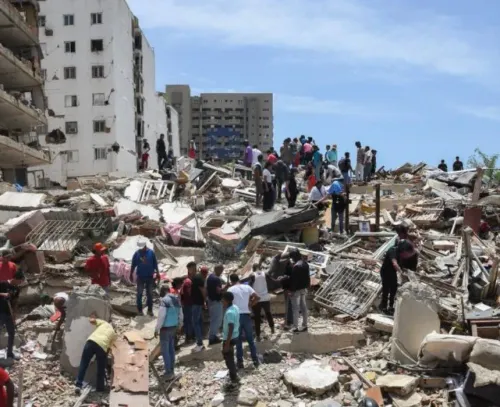
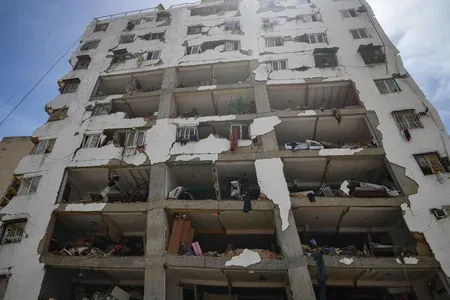
Buildings reportedly collapsed in Caracas, raising immediate concerns over casualties and infrastructure damage. The USGS stated that high casualties and extensive damage are likely given the magnitude and shallow depth of the twin quakes. This comes amid Venezuela's already strained emergency response capacity, compounding fears over the scale of impact.
What Happens Next
Rescue and assessment operations are under way in Venezuela, with the full extent of damage yet to be confirmed. In Japan, rail services are expected to resume once safety checks are completed, and no further tsunami alerts have been issued. Both events are being closely monitored by regional seismic agencies.
Point of View
Arriving seconds after a 7.1, is a compounding seismic sequence that leaves little margin for structural resilience. Venezuela's weakened public infrastructure and constrained emergency services make this a potential humanitarian crisis, not just a natural disaster. Japan's 6.9, while severe, activated well-rehearsed protocols: trains halted, tsunami alerts assessed and cleared, intensity scales communicated publicly within minutes. The contrast in institutional readiness between the two countries will likely define the human cost of what were, on paper, comparable seismic events.
NationPress
23 Sept 2026
Frequently Asked Questions
What was the magnitude of the earthquake that struck Japan on 25 June?
A preliminary magnitude of 6.9 was recorded for the earthquake that struck off the Pacific coast of Iwate Prefecture, Japan, at around 7:30 am on 25 June. The Japan Meteorological Agency confirmed no tsunami threat was generated by the quake.
Were there casualties reported in the Japan earthquake?
No casualty figures were immediately confirmed in reports following the Japan earthquake. Authorities focused on safety inspections of rail infrastructure, and no tsunami warning was issued.
How strong were the Venezuela earthquakes on 25 June?
Venezuela was struck by two earthquakes within a minute — a magnitude 7.1 followed by a magnitude 7.5 — both near the coastal town of Moron, about 160 km west of Caracas, according to the USGS. Buildings reportedly collapsed in Caracas following the tremors.
Why are the Venezuela earthquakes considered especially dangerous?
Both quakes struck at a shallow depth of just 10 kilometres, which tends to intensify surface shaking and structural damage. The USGS stated that high casualties and extensive damage are likely given the magnitude and depth of the twin tremors.
Which areas of Japan were most affected by the 25 June earthquake?
The most intense shaking — upper 6 on Japan's 7-point seismic intensity scale — was recorded in Hashikami and Hachinohe in Aomori Prefecture. Strong tremors also reached Miyagi, Hokkaido, Akita, Yamagata, Fukushima, and Tokyo.