Venezuela magnitude-4.1 aftershock strikes near La Guaira, raising fresh collapse fears
Synopsis
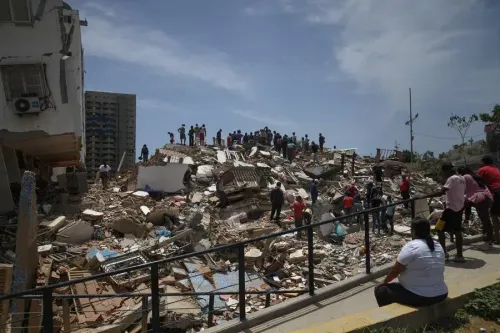
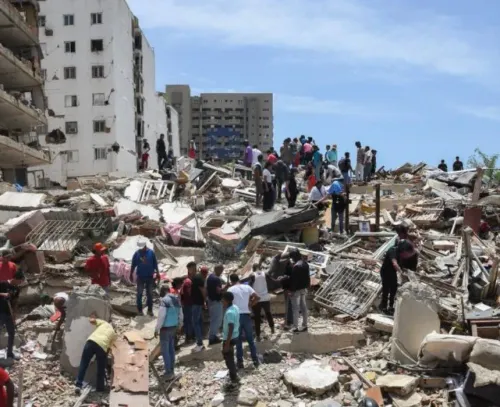
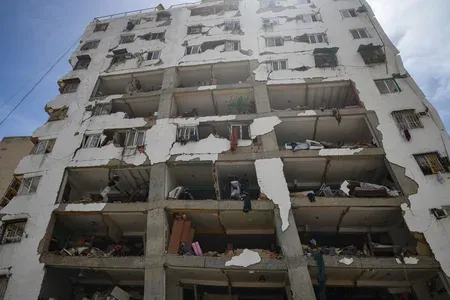
Days after two devastating quakes flattened parts of Venezuela's central coast, a magnitude-4.1 aftershock struck just 35 km from the already-ruined La Guaira — at a dangerously shallow 5 km depth. With rescue teams still in the field and buildings on the edge, seismologists are warning this may not be the last tremor to test the region's fractured infrastructure.
Key Takeaways
Funvisis recorded a magnitude-4.1 aftershock in central Venezuela on 27 June .
The epicentre was approximately 35 km west of La Guaira , a port city already declared a disaster zone .
The quake struck at a shallow depth of 5 km , amplifying ground shaking and structural risk.
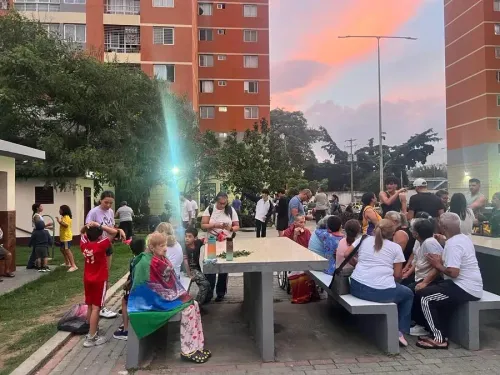
Residents in Caracas and nearby areas evacuated buildings fearing further collapses.
The Venezuelan government has appealed for international assistance as the disaster's scale becomes clearer.
Funvisis is maintaining 24-hour seismic surveillance and has warned that additional aftershocks remain possible.
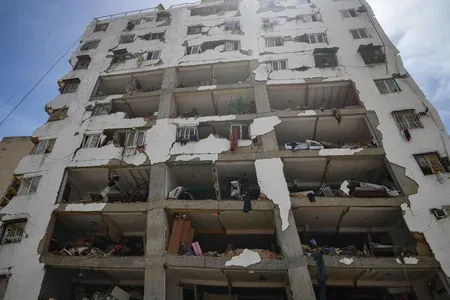
A magnitude-4.1 aftershock rattled central Venezuela on Saturday, 27 June, according to the Venezuelan Foundation for Seismological Research (Funvisis), deepening anxiety across a region already reeling from two powerful earthquakes that struck earlier in the week. The tremor has intensified concerns about the structural integrity of buildings and infrastructure already weakened by the preceding seismic events.
Epicentre and Depth
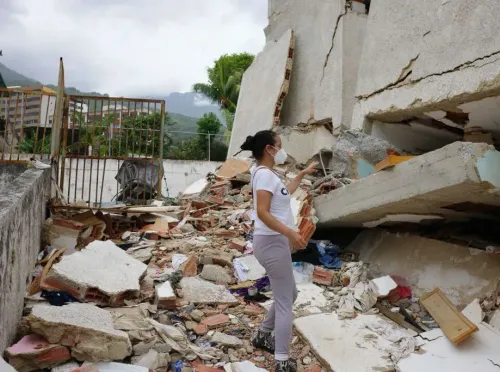
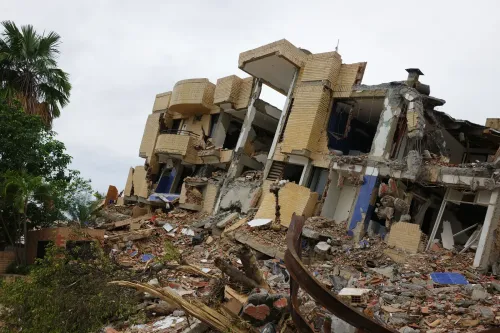
Funvisis placed the epicentre approximately 35 km west of La Guaira, a key port city on Venezuela's central coast that has already been declared a disaster zone following Wednesday's twin quakes. The tremor occurred at a shallow depth of just 5 km — a factor that seismologists note typically amplifies ground shaking and heightens the risk of structural damage to compromised buildings.
How Residents Responded
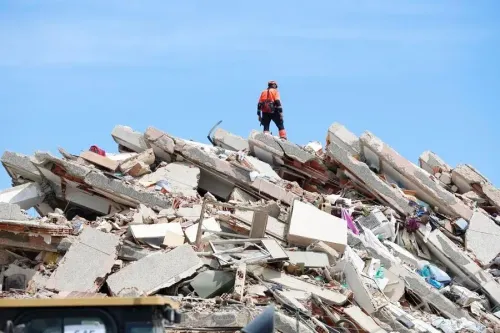
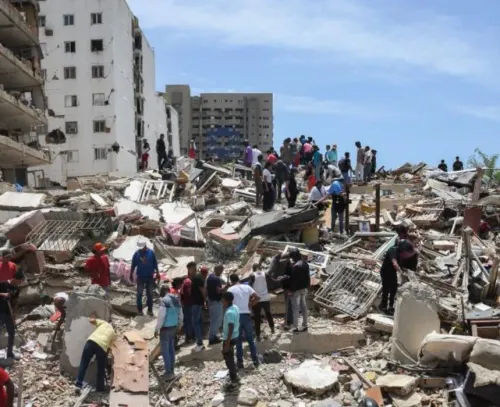
Residents across Caracas and surrounding areas reported feeling the tremor, with many evacuating buildings in fear of further collapses. The psychological toll on communities — already displaced or living in damaged structures — has been significant. This comes amid ongoing rescue operations in coastal and mountainous zones, where teams have been working continuously to reach cut-off communities.
What Officials and Experts Are Warning
Engineers and disaster management officials have flagged serious concerns over Saturday's tremor, noting that even a moderate-magnitude quake at shallow depth can critically destabilise structures already compromised. Funvisis has stated that aftershocks are a predictable consequence of major seismic events and has warned the public that additional tremors remain possible. Emergency services have been placed on high alert, with teams deployed to inspect hospitals, bridges, and power lines. The government has also formally appealed for international assistance as the full scale of the disaster comes into focus.
Ongoing Monitoring and Public Guidance
Funvisis is maintaining round-the-clock surveillance of seismic activity across the region. Local authorities have urged residents in high-risk areas to follow official safety protocols and rely only on verified information from government channels. The agency has specifically cautioned against the spread of unverified reports, which, it said, risk triggering unnecessary panic in already stressed communities.
With rescue efforts still underway and structural assessments ongoing, seismologists warn that the region's vulnerability remains elevated in the days ahead.
Point of View
In isolation, a moderate event — but context transforms it into a serious threat. La Guaira's declaration as a disaster zone signals that its built environment is already at or beyond its tolerance threshold. A shallow-focus tremor near compromised structures does not need to be powerful to be lethal. What the coverage tends to underplay is the compounding effect: rescue workers operating in unstable rubble, hospitals potentially unfit for surge capacity, and a government that has historically struggled to coordinate large-scale disaster response. The appeal for international aid is the clearest signal yet that domestic capacity is stretched. The real story is not the magnitude — it is the vulnerability beneath it.
NationPress
26 Sept 2026
Frequently Asked Questions
What was the magnitude-4.1 earthquake that struck Venezuela on 27 June?
It was an aftershock recorded by Funvisis near La Guaira on Venezuela's central coast, occurring at a shallow depth of 5 km approximately 35 km west of the port city. It followed two stronger earthquakes that hit the same region on Wednesday, causing widespread destruction.
Why is the shallow depth of 5 km significant?
Shallow earthquakes — those occurring at depths of less than 20 km — tend to produce stronger ground shaking at the surface compared to deeper quakes of the same magnitude. At 5 km depth, the energy has less distance to dissipate before reaching buildings, increasing the risk of structural damage, particularly to already weakened structures.
What is the current status of La Guaira?
La Guaira has been officially declared a disaster zone following Wednesday's twin earthquakes, which caused collapsed buildings, landslides, and casualties. Emergency teams are still conducting rescue operations in the area, and critical infrastructure including hospitals and bridges is under inspection.
Has Venezuela requested international help?
Yes. The Venezuelan government has formally appealed for international assistance as the full scale of the disaster becomes clearer. Rescue teams are working in both coastal and mountainous regions, and emergency services remain on high alert.
Are more aftershocks expected in Venezuela?
Funvisis and seismologists monitoring the region have warned that additional aftershocks are likely following major seismic events. The agency is maintaining round-the-clock surveillance and has urged the public to stay informed through official channels and avoid unverified information.