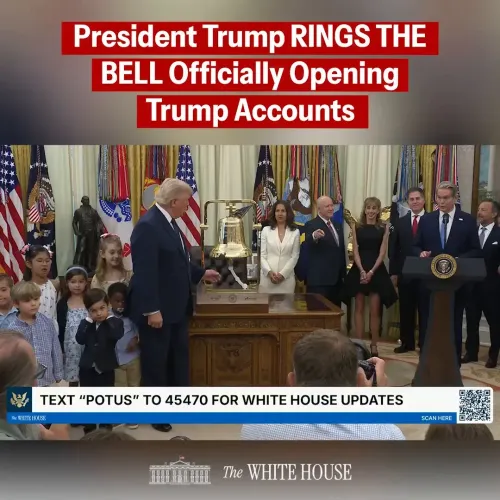
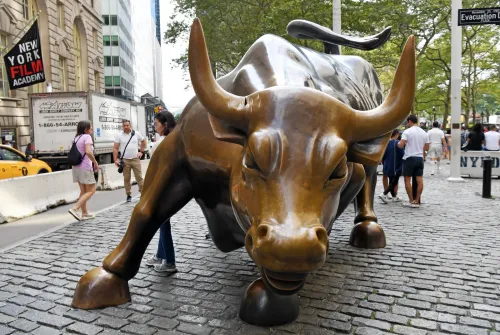
Trump Rings NYSE and Nasdaq Opening Bell from Oval Office
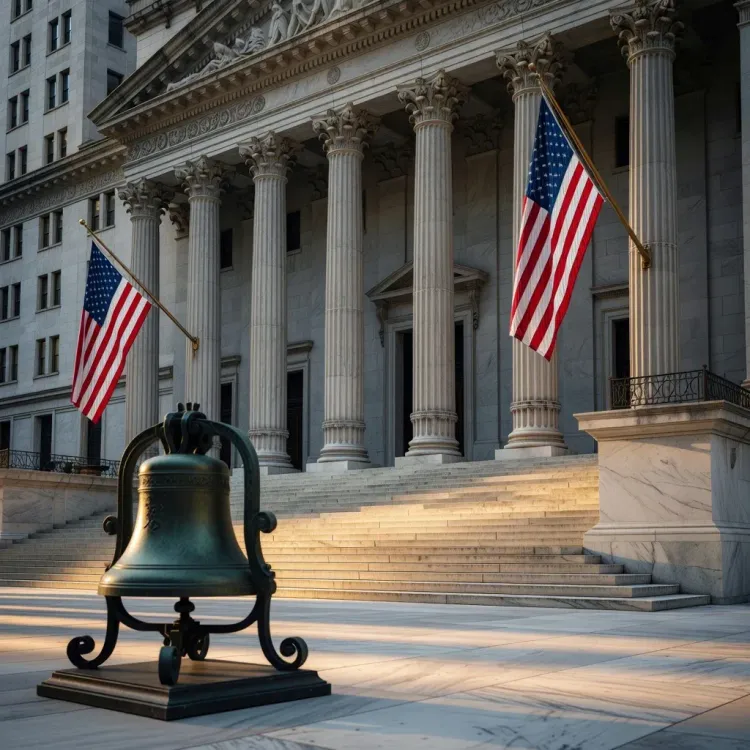
Synopsis
President Donald J. Trump rang the opening bells of the New York Stock Exchange and Nasdaq simultaneously from the Oval Office on July 6, 2026 — a move the White House called a historic first. The symbolic gesture signals the administration's pro-market stance and is being closely watched for any follow-on policy announcements.
Key Takeaways
President Trump rang the opening bells of both the NYSE and Nasdaq from the Oval Office on July 6, 2026 at 9:30 AM EST .
The White House described the dual remote bell-ringing as a 'historic first' for a sitting U.S. president.
The New York Stock Exchange is the world's largest stock exchange by market capitalisation; Nasdaq specialises in technology and growth companies.
U.S. presidents have previously used market engagement to signal economic confidence, a practice that expanded with virtual formats during the COVID-19 era.
During Trump's first term, the Tax Cuts and Jobs Act (2017) was widely seen as market-friendly, boosting equity valuations.
Global and Indian investors with exposure to U.S. equities will watch for any follow-on policy statements from the administration.
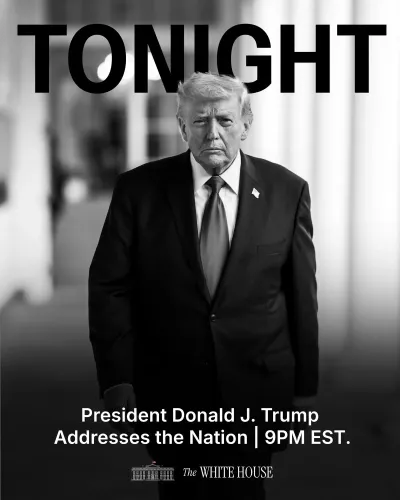
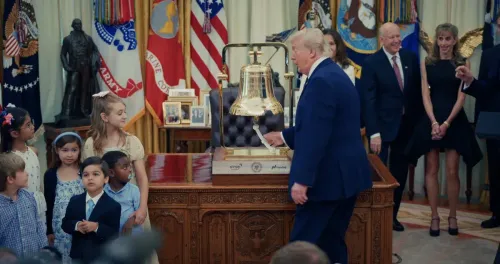
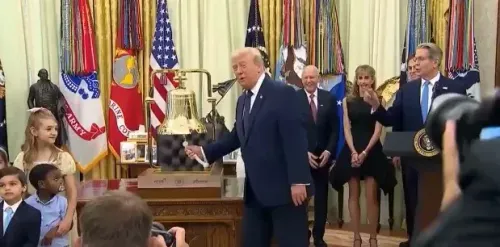
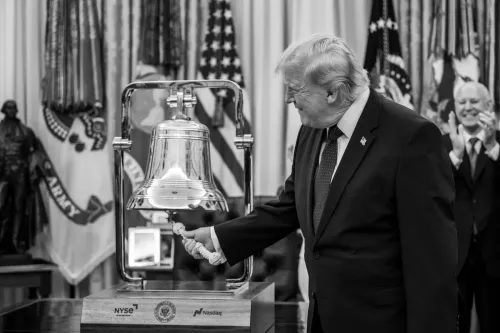
President Donald J. Trump rang the opening bell of both the New York Stock Exchange and Nasdaq from the Oval Office on Monday, July 6, 2026, in what the White House described as a historic first — marking the first time a sitting U.S. president has opened two of the world's major stock exchanges simultaneously from the White House.
Context
The White House announced the event at 9:30 AM EST, the traditional market-open moment when the ceremonial bell signals the start of trading on American exchanges. The announcement, shared on the official White House communications account on X, urged followers not to miss the moment, calling it a 'historic first.' The Oval Office served as the remote location for the dual bell-ringing, bringing the symbolic weight of the presidency directly into the market-opening ritual.
The New York Stock Exchange is the world's largest stock exchange by market capitalisation, while Nasdaq is closely associated with technology and high-growth companies. Both exchanges use the opening bell as a high-visibility platform — companies and public figures routinely ring it to mark milestones or signal confidence.
Policy Backdrop
U.S. presidents have periodically engaged with financial markets as a way to signal economic priorities and project confidence in the broader economy. Remote participation from the White House builds on precedents for virtual market events, a format that gained wider acceptance during the COVID-19 period when in-person ceremonies were restricted.
During Trump's first term (2017–2021), his administration pursued a broadly market-friendly agenda. The landmark Tax Cuts and Jobs Act of December 2017 was viewed by investors as supportive of corporate earnings and equity valuations, and equity markets saw significant gains during that period. The current gesture of ringing the bell from the Oval Office continues that tradition of using presidential visibility to reinforce a pro-market message.
Stakeholders and Impact
The primary audience for this symbolic act is the broad community of stock market investors, listed companies, and financial institutions that track signals from the executive branch. A presidential appearance at market open — even a remote one — can set a tone for intraday sentiment, particularly when it accompanies or precedes policy statements.
For Indian investors and institutional players with exposure to U.S. equities, the event carries indirect relevance: presidential signals on U.S. economic confidence can influence global risk appetite, capital flows, and the performance of technology-heavy indices that many Indian mutual funds and ETFs track. The Nasdaq's composition — dominated by large-cap technology firms — makes it especially watched by global investors.
What's Next
Market watchers will closely track the immediate trading reaction at the 9:30 AM EST open and monitor whether the administration follows the symbolic gesture with any concrete policy announcements on economic or regulatory matters. Historically, ceremonial market events gain lasting significance only when paired with substantive policy moves — tax changes, deregulation, or trade announcements — that give investors a concrete direction to price in.
Any follow-on statements from the Trump administration on trade policy, interest rates, or fiscal priorities in the hours and days after the bell-ringing will be closely parsed for signals about the administration's economic agenda heading into the second half of 2026.
Point of View
Rather than travelling to Wall Street, reinforces the message that the White House itself is the centre of economic gravity. For an administration that has consistently tied its political identity to market performance, the gesture is less about ceremony and more about narrative control — projecting confidence at a moment when investors are parsing every signal from Washington. Whether the symbolism translates into sustained market optimism will depend entirely on the policy substance that follows.
NationPress
6 Oct 2026
Frequently Asked Questions
What did Trump do at the NYSE and Nasdaq on July 6 2026?
President Trump rang the opening bells of both the New York Stock Exchange and Nasdaq simultaneously from the Oval Office at 9:30 AM EST on July 6, 2026, which the White House described as a historic first.
Has a US president ever rung the stock exchange bell before?
U.S. presidents have periodically engaged with financial markets as a symbolic gesture, and virtual or remote participation expanded during the COVID-19 era. The White House described the July 2026 dual bell-ringing from the Oval Office as a historic first.
What is the significance of the NYSE opening bell?
The opening bell at 9:30 AM EST marks the start of the official trading day on the New York Stock Exchange and is one of the most recognised symbols in global finance. Companies and public figures ring it to mark milestones or signal confidence.
How does Trump ringing the NYSE bell affect Indian investors?
While the event is primarily symbolic, presidential signals on U.S. economic confidence can influence global risk appetite and capital flows. Indian mutual funds and ETFs with exposure to U.S. technology stocks, particularly those tracking Nasdaq, may see indirect effects depending on any policy announcements that follow.
What policy announcements are expected after Trump's NYSE bell ringing?
No specific policy announcements were confirmed alongside the bell-ringing. Analysts will watch for follow-on statements from the Trump administration on trade, fiscal policy, or deregulation in the hours and days that follow.