Will Trump Take Citizenship from 'Disruptors' and Halt Migration from Developing Nations?
Synopsis
In a controversial move, President Trump threatens to revoke citizenship from 'disruptors' and halt migration from developing nations following the tragic death of a National Guard soldier. This article delves into his sweeping immigration reforms and the implications for both citizens and migrants.
Key Takeaways
Trump threatens to revoke citizenship from 'disruptors'.
Halt on migration from developing nations proposed.
Controversial immigration reform plans outlined.
Legal migrants may face citizenship revocation.
Denaturalization process defined.
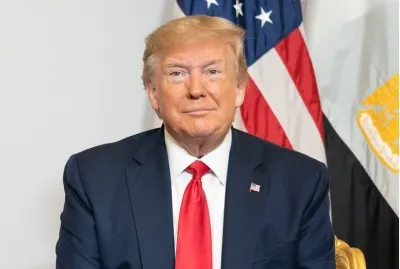
New York, Nov 28 (NationPress) Following the tragic killing of a National Guard soldier, US President Donald Trump has threatened to revoke the citizenship of individuals disrupting "domestic tranquility" and to suspend immigration from "developing nations".
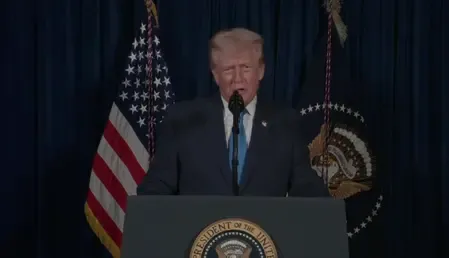
In a vehement post on Truth Social late Thursday night, Trump outlined his intentions for extensive immigration reforms aimed at "anyone who is not a net asset to the United States, or is unable to cherish our Country".
"I will permanently pause migration from all developing nations to enable the US system to fully recover" from the degradation of "national gains and living standards," he stated.
Trump left the term "developing nations" undefined, allowing for various interpretations.
These remarks are the latest in his ongoing campaign regarding immigration, which originally focused on the deportation of over 12 million illegal migrants and now extends to individuals who are legally present as well as citizens.
There is a cultural component to Trump's proposals, as his criteria for citizenship revocation includes those deemed "non-compatible with Western Civilization".
His proposed measures, which may contradict existing immigration laws enacted by Congress, also include eliminating welfare and government benefits for non-citizens, impacting Green Card holders as well.
Previously, Joseph Edlow, head of immigration services, indicated that under Trump's directives, he has initiated a comprehensive review of "every Green Card for every alien from every country of concern".
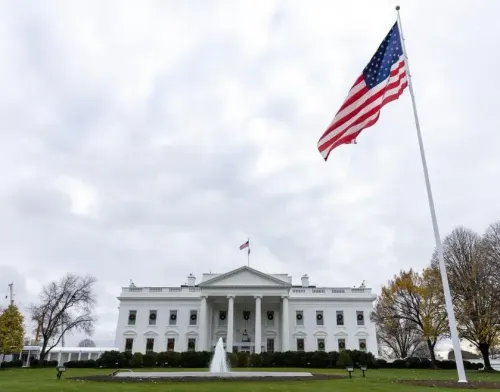
A list released by Trump in June identified 19 "countries of concern", including Afghanistan, the homeland of Rahmanullah Lakanwal, the alleged assailant of the two National Guard soldiers near the White House.
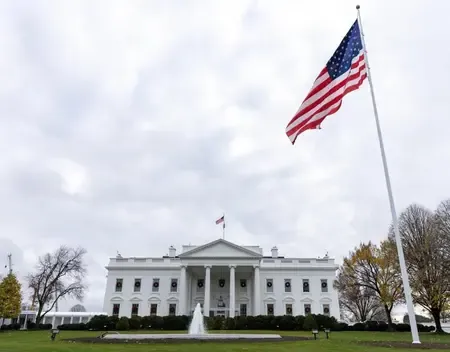
One of the soldiers, Sarah Beckstrom, tragically passed away on Thursday during the Thanksgiving celebrations, while the other remains critically injured.
Lakanwal had previously collaborated with the Central Intelligence Agency (CIA) in Afghanistan and was relocated to the US under a program designed to safeguard those who assisted Americans amid the Taliban's advance.
In his post, Trump declared that he intends to "denaturalize migrants who compromise domestic tranquility and deport any Foreign National who poses a public charge, security risk, or is non-compatible with Western Civilization".
"Denaturalization" refers to the process of stripping citizenship from immigrants who have attained American citizenship.
"These objectives will be pursued with the intention of achieving a significant reduction in illegal and disruptive populations, including those admitted through unauthorized and illegal Autopen approval processes," he wrote, alluding to allegations that some of his predecessor's actions were signed automatically and not personally.
"Only REVERSE MIGRATION can completely resolve this situation," he asserted.
Conversely, Trump has also endorsed the immigration of skilled individuals to the US, defending programs like the H1B visa as crucial for America's defense and industries.
However, he has imposed restrictions on the H1B program, mandating sponsors to pay $100,000 for bringing someone from abroad (this does not apply to those already in the country).
While Trump has not clarified what he means by "developing nations"—a term often used pejoratively—it generally encompasses all developing countries across a broad spectrum of development stages.
The United Nations categorizes 124 countries as developing nations, while the International Monetary Fund recognizes 152, covering a majority of the globe.
Trump has challenged the classification of developing nations, asserting that China should not be included.
In a subsequent post, Trump used dubious generalizations to justify the elimination of benefits for non-citizens and for deportations.
"The official foreign population in the United States is 53 million (Census), the majority of whom are on welfare, hailing from failed nations, or involved in prisons, mental institutions, gangs, or drug cartels," he claimed.
Trump has accused Biden of allowing individuals from these categories to enter, attributing the situation to his administration's former open border policy that facilitated the influx of millions and bolstered Trump's electoral campaign last year.
In reality, most immigrants do not receive welfare, and men from immigrant backgrounds work at a higher rate than native-born American men—77.3% compared to 65.9%—while the employment rate for immigrant women is less than two percent of their native-born counterparts, according to the Bureau of Labor Statistics (BLS).
Trump claimed that a "migrant earning $30,000 (annually) with a green card will receive approximately $50,000 in yearly benefits for their family."
Although Trump presents this as commonplace, many immigrants earn significantly more and contribute more in taxes.
As per the BLS, the median weekly earnings for individual foreign-born full-time wage and salary workers were $1,001—translating to an annual income exceeding $50,000—compared to $1,190 weekly for native-born Americans.
For instance, Indian immigrants boast median household incomes of $156,000, in contrast to $75,000 for all American households, with only six percent of Indian immigrants living at the poverty line, according to Pew Research.
Pew also reported in May that Asian immigrants, as a collective, had a median household income of $105,000.
Last month, Trump's administration issued directives to terminate food assistance for certain lawful residents, including refugees and those granted asylum.
This action is currently being contested in federal court by Attorneys General from 21 Democrat-led states.
In addition to Afghanistan, the countries of concern for enhanced vetting include Burma, Chad, Congo, Equatorial Guinea, Eritrea, Haiti, Iran, Libya, Somalia, Sudan, Yemen, Burundi, Cuba, Laos, Sierra Leone, Togo, Turkmenistan, and Venezuela.
Point of View
It's imperative to present the facts surrounding Trump's immigration proposals without bias. The implications of his statements could significantly impact both American citizens and migrants. A thorough examination is essential to understand the complexities of immigration policy and its effects on our society.
NationPress
20 Sept 2026
Frequently Asked Questions
What are Trump's immigration reform proposals?
Trump's proposals include revoking citizenship from individuals disrupting domestic tranquility and halting migration from developing nations.
What does 'third world countries' refer to?
The term 'third world countries' often refers to developing nations, but Trump did not specify which countries this includes.
How does Trump's plan affect legal migrants?
Trump's plan could impact legal migrants by potentially stripping them of citizenship and denying them welfare benefits.
What is denaturalization?
Denaturalization is the process of stripping an individual of their citizenship, typically for serious violations.
What are the implications of Trump's immigration stance?
Trump's immigration stance could lead to significant changes in the demographic makeup of the U.S. and affect millions of individuals and families.