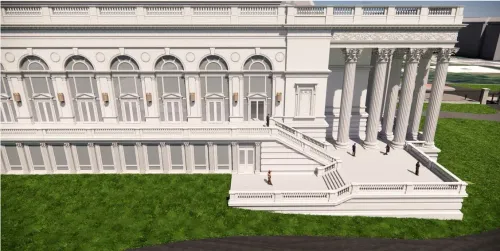
Trump Announces Historic Investment to Transform Dulles Airport
Synopsis
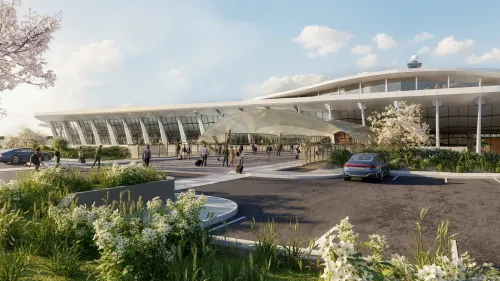
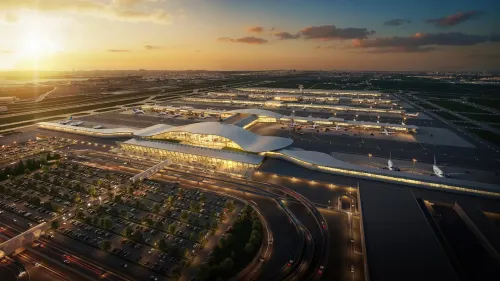
President Donald J. Trump has announced a historic investment to overhaul Washington Dulles International Airport, promising billions in economic opportunity, thousands of jobs, and hundreds of new flights — one of the most ambitious aviation infrastructure moves in the D.C. region in years.
Key Takeaways
President Trump announced a landmark transformation of Washington Dulles International Airport on July 30, 2026 .
The investment is described as 'historic,' promising billions of dollars in economic opportunity for the region.
The announcement projects thousands of new jobs tied to the airport overhaul.
Hundreds of new flights are expected to be unlocked as part of the transformation.
Dulles, operated by the Metropolitan Washington Airports Authority , is the primary international gateway for the Washington D.C. metro area.
Specific investment figures and timelines were not detailed; Congressional or agency approvals may be required before work begins.
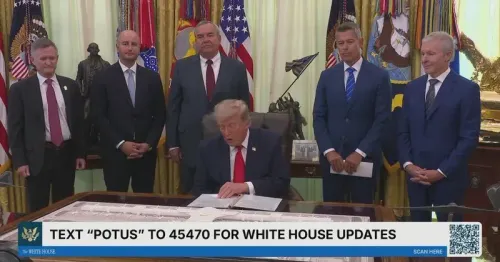
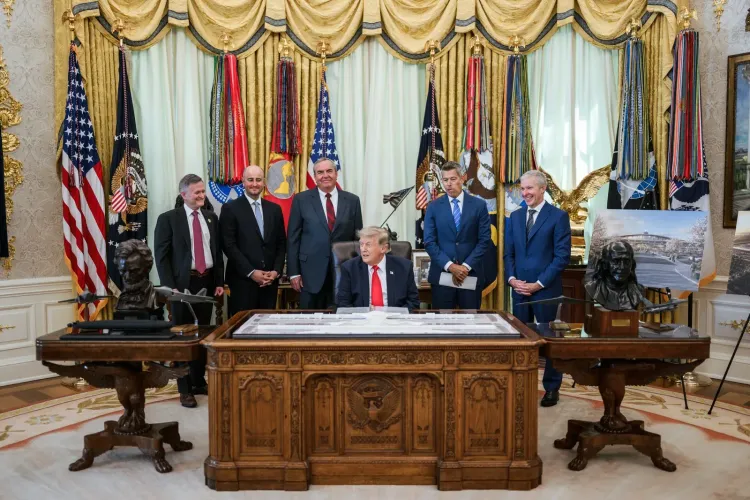
A landmark overhaul is coming to one of America's busiest gateway airports. President Donald J. Trump announced on Thursday, July 30, 2026, a historic private investment aimed at transforming Washington Dulles International Airport — promising billions in economic opportunity, thousands of new jobs, and hundreds of additional flights for the region.
What the Dulles Deal Actually Promises
The White House framed the announcement in sweeping terms: billions of dollars in economic opportunity, a significant jobs boost, and a dramatic expansion of flight options out of Dulles. The airport, operated by the Metropolitan Washington Airports Authority, serves as the primary international gateway for the Washington D.C. metro area and handles tens of millions of passengers annually. A transformation of this scale — if delivered — would rank among the most consequential aviation infrastructure moves in the region's recent history.
Specific investment figures and project timelines were not detailed in the White House's announcement. Congressional approvals or agency sign-offs may be required before any major capital work begins, making the path from announcement to groundbreaking one to watch closely.
Dulles's Long Road to Modernisation
Dulles is no stranger to federal infrastructure attention. Over multiple decades, the airport has received federal grants for runway upgrades, terminal expansions, and transit connectivity — including the extension of the Silver Line Metro that finally linked Dulles to Washington D.C.'s rail network. The 2018 FAA Reauthorization Act established multi-year federal funding pipelines for exactly this kind of airport capital improvement, giving administrations a legislative vehicle to direct resources toward capacity expansion.
U.S. presidents from both parties have periodically spotlighted airport modernisation as a jobs-and-growth story. Trump's announcement follows that pattern — but the scale of the claimed investment, if confirmed, would set this apart from routine grant cycles.
What the Aviation Sector and Region Stand to Gain
Hundreds of new flights from a major hub means more route options, potentially lower fares through increased competition, and a stronger position for Dulles against rival hubs on the East Coast. For the broader Northern Virginia and D.C. metro economy — already one of the most dynamic in the country — an airport capable of handling greater traffic volume translates directly into business travel, tourism, and logistics capacity.
The jobs figure, while unspecified in detail, would span construction, aviation operations, retail, and ancillary services — sectors that tend to multiply economic activity well beyond the airport perimeter.
The announcement is made. Now the clock starts on whether the billions, the jobs, and the flights actually take off.
Point of View
Jobs-forward symbol of economic stewardship. The choice of Dulles is politically deliberate: it sits in the heart of the Virginia suburbs, a competitive electoral zone, and serves as a visible gateway for international business. The critical unknown is whether this moves beyond announcement into appropriated, shovel-ready capital — past infrastructure pledges from both parties have often stalled between fanfare and funding. If the investment figures hold and Congressional backing materialises, it could mark a genuine inflection point for East Coast aviation capacity.
NationPress
14 Sept 2026
Frequently Asked Questions
What is Trump's Dulles Airport investment announcement?
President Trump announced a historic investment to transform Washington Dulles International Airport, promising billions in economic opportunity, thousands of jobs, and hundreds of new flights, as revealed by the White House on July 30, 2026.
How many jobs will the Dulles Airport transformation create?
The White House announcement states the project will create thousands of jobs, though a specific number has not been detailed in the initial announcement.
How many new flights will Dulles Airport get?
The announcement promises hundreds of new flights as part of the landmark transformation, though specific routes or airline commitments have not yet been disclosed.
Who operates Washington Dulles International Airport?
Washington Dulles International Airport is operated by the Metropolitan Washington Airports Authority and serves as the primary international gateway for the Washington D.C. metro area.
What federal laws support US airport infrastructure investment?
The 2018 FAA Reauthorization Act established multi-year federal funding for airport capital improvements and capacity expansion, providing a legislative framework for projects like the Dulles transformation.