Trump says US-Mexico deal near after APEC, presses Canada on $80bn deficit
Synopsis
At APEC in Shenzhen, Trump told Claudia Sheinbaum a US-Mexico deal is 'close' — then turned to Canada with a blunter message: cut the $80bn deficit to zero before serious talks can begin. With the USMCA already in place and tariffs the preferred lever, Trump is rewriting North American trade rules one summit conversation at a time.
Key Takeaways
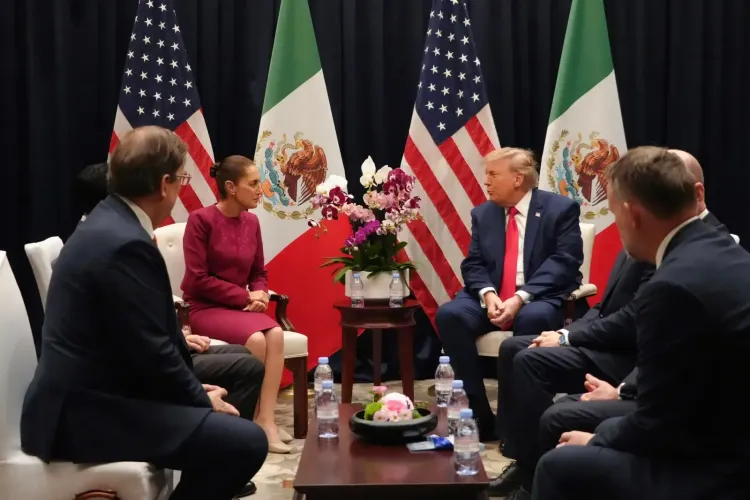
President Trump said the US is 'close to a deal' with Mexico following bilateral talks with President Claudia Sheinbaum at the APEC summit in Shenzhen on 21 November 2026 .
Trump told Sheinbaum that the US would not accept Mexico running a trade surplus with Washington, without detailing specific concessions.
On Canada , Trump demanded the $80 billion US trade deficit fall to zero before substantive negotiations with Prime Minister Mark Carney can begin.
Trump said he welcomed Carney's interest in reviving the Keystone pipeline but indicated it would not by itself satisfy his demands.
Secretary of State Marco Rubio described the Canada meeting as a step toward a final deal, with outcomes to be judged by their benefit to American workers.
Both relationships are underpinned by the USMCA , in force since July 2020 , which Trump's demands could pressure toward renegotiation.
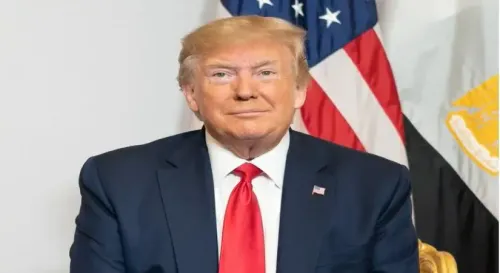
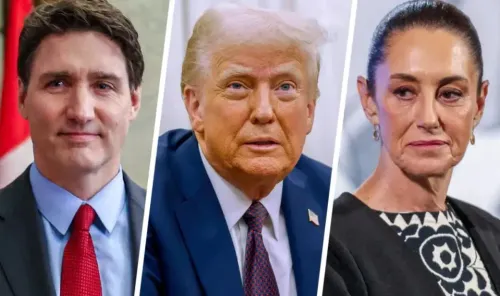
US President Donald Trump declared on 21 November 2026 that Washington was 'close to a deal' with Mexico following his meeting with Mexican President Claudia Sheinbaum at the Asia-Pacific Economic Cooperation (APEC) summit in Shenzhen, China. Speaking at a White House news conference after his return, Trump also took a markedly harder line with Canada, insisting the $80 billion US trade deficit with Ottawa must fall to zero before substantive negotiations can begin.
What Trump Said About Mexico
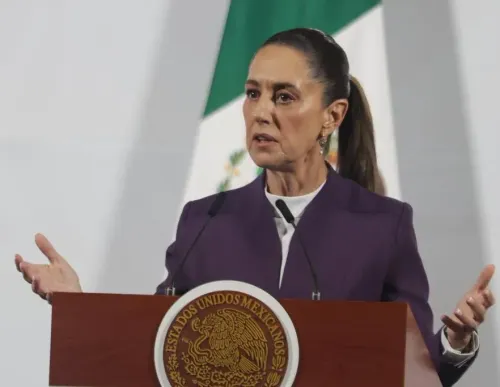
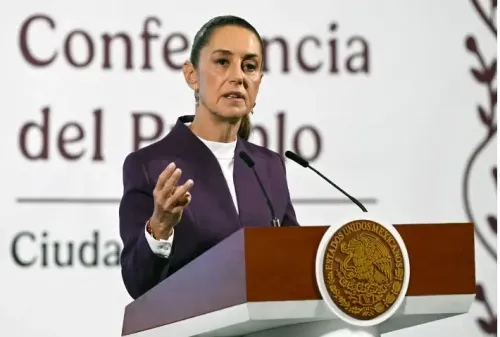
Trump confirmed he held bilateral talks with Sheinbaum on the sidelines of the APEC gathering, where leaders from across the Pacific Rim convened. 'In my meeting with President Claudia Sheinbaum of Mexico, we are getting close to a deal,' he told reporters, without specifying a timetable or detailing concessions by either side.
Recounting his message to Sheinbaum on the trade surplus, Trump said: 'I said, Claudia, we can't have you have a surplus. We're not going to let that happen.' Beyond trade, the two leaders reportedly discussed cooperation on drug cartels. Trump claimed he had told Sheinbaum he believed the cartels were running Mexico, though he offered no account of her response and announced no new security measures alongside the commercial discussions.
Harder Line on Canada
With Canadian Prime Minister Mark Carney — also present in Shenzhen — Trump's framing was more demanding. He cited what he described as an $80 billion US trade deficit with Canada, though he did not specify the reference period or whether the figure covered goods alone or included services. 'I said, when it's down to zero, come over and let's start talking,' Trump said bluntly.
On energy infrastructure, Trump said Carney had expressed interest in reviving the Keystone pipeline, an idea Trump said he welcomed — but made clear that a pipeline agreement alone would fall short of his broader demands from Ottawa. Cars, energy, and lumber were among the specific sectors Trump singled out, arguing the United States could manufacture vehicles domestically and meet more of its energy and timber needs at home.
Secretary Rubio Weighs In
Secretary of State Marco Rubio characterised the meeting with Carney as a step toward a final agreement and said the administration would judge any outcome by what it delivered for American workers. On Mexico, Rubio noted that the shared border gave Washington security issues to work through alongside the commercial disputes.
USMCA as the Backdrop
Both bilateral relationships are governed by the US-Mexico-Canada Agreement (USMCA), which took effect in July 2020 during Trump's first term, replacing the North American Free Trade Agreement (NAFTA). The pact retains duty-free treatment for goods that meet its rules of origin. This comes amid Trump's broader use of tariffs as leverage, which he credited with persuading automakers to announce new American manufacturing plants. Any renegotiated terms would sit atop — or potentially revise — the existing USMCA framework.
With both Mexico and Canada talks still in early stages, the shape and timeline of any final agreement remain unclear.
Point of View
While Canada faces a near-impossible precondition — zero bilateral deficit — that functions more as a pressure tactic than a genuine negotiating benchmark. The $80 billion figure, unqualified for period or goods-services split, is conspicuously vague, suggesting it is designed to anchor expectations rather than describe a precise policy target. Reviving Keystone is a sideshow: pipeline or not, Trump has made clear that sectoral dominance — cars, energy, lumber — is the real currency of these talks. The USMCA, which Trump himself negotiated in his first term, is quietly being treated as a floor to renegotiate upward, not a settled framework.
NationPress
21 Nov 2026
Frequently Asked Questions
What did Trump say about a trade deal with Mexico at APEC?
Trump said the United States was 'close to a deal' with Mexico after meeting President Claudia Sheinbaum at the APEC summit in Shenzhen on 21 November 2026. He gave no timetable or details of concessions from either side, but said both governments were also cooperating on drug cartel issues.
Why is Trump pressing Canada over an $80 billion deficit?
Trump cited what he described as an $80 billion US trade deficit with Canada and said he would not engage in substantive negotiations until that figure fell to zero. He did not specify whether the figure covers goods alone or includes services, nor the reference period behind it.
What is the Keystone pipeline and why did it come up?
The Keystone pipeline is a proposed oil pipeline linking Canadian oil sands to US refineries; it has been repeatedly approved and cancelled over successive US administrations. Trump said Prime Minister Carney raised the project and that he welcomed the idea, but made clear it would not by itself meet Washington's broader trade demands from Ottawa.
How do the existing USMCA rules affect these talks?
The US-Mexico-Canada Agreement, which took effect in July 2020 and replaced NAFTA, already governs duty-free trade for goods meeting its rules of origin. Any new bilateral terms Trump negotiates would need to sit alongside or revise those existing commitments, complicating the path to any standalone deal.
What role did Secretary of State Marco Rubio play?
Secretary of State Marco Rubio said the meeting with Canadian PM Carney was a step toward a final agreement and that the administration would judge outcomes by their benefit to American workers. On Mexico, he noted that border security issues remained intertwined with the commercial negotiations.