Is Trump Implementing a 25% Tariff on Iran Trade?
Synopsis
In a significant move, President Trump has announced a 25% tariff on countries trading with Iran. This decision could have profound implications for international relations and trade, especially for nations like India. Explore the potential effects of this tariff and the ongoing diplomatic efforts surrounding Iran.
Key Takeaways
25% tariff imposed on countries trading with Iran.
Significant impact of 75% tariff on Indian exports.
Trump emphasizes military options remain on the table.
Diplomatic engagement with Iran is still a priority.
Special Envoy Steve Witkoff plays a key role in Iran diplomacy.
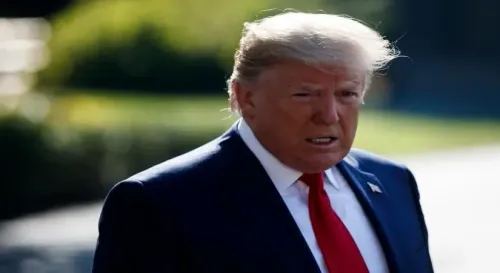
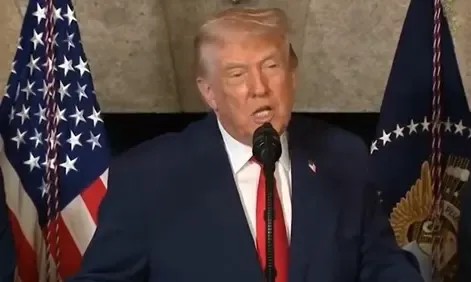
Washington, Jan 13 (NationPress) - On Monday, US President Donald Trump declared that nations engaging in trade with Iran will incur an additional 25% tariff on their transactions with the United States, marking a more stringent stance towards Tehran and its global associates.
For India, this translates to an astonishing 75% tariff on all products exported to the United States, a situation that could severely affect Indian enterprises.
“Effective immediately, any country conducting business with the Islamic Republic of Iran will be subjected to a 25% tariff on all trade with the United States of America,” Trump stated via a social media post.
“This order is final and conclusive,” he emphasized. “Thank you for your attention to this matter!”
The announcement did not clarify how the tariff would be enforced or which industries would be impacted.
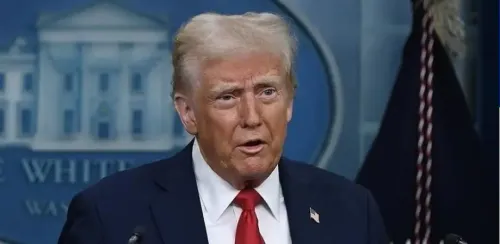
Earlier that day, the White House indicated that Trump is seeking diplomatic engagement with Iran while keeping military options readily available, as protests continue within the nation and behind-the-scenes communications suggest a different narrative from Tehran.
White House Press Secretary Caroline Leavitt remarked that the President is focused on preventing further violence while considering private communications from Iranian officials.
“He certainly doesn’t want to witness any casualties in the streets of Tehran, and sadly, that’s a reality we are observing right now,” Leavitt told reporters during a briefing at the White House.
When asked if the administration is still aiming for complete denuclearization, Leavitt refrained from detailing specific terms but emphasized the President's flexibility and preparedness to escalate if necessary.
“One thing President Trump excels at is keeping all options available, and airstrikes would be among the numerous options considered by the Commander in Chief,” she stated.
Simultaneously, she reiterated that diplomacy remains the administration’s primary approach.
“Diplomacy is always the initial choice for the President,” Leavitt noted, adding that the messages received privately from Iran contrast sharply with the public rhetoric of the regime.
“What you are hearing from the Iranian regime publicly is quite different from the messages the administration is receiving privately, and I believe the President is interested in exploring these communications,” she stated.
Leavitt mentioned that Special Envoy Steve Witkoff continues to play a pivotal role in diplomatic efforts regarding Iran.
“I understand that Steve Witkoff will remain a very significant player in Iran diplomacy,” she said.
She also highlighted that Tehran is aware of the President’s previous actions and his readiness to act decisively.
“However, it should be noted that the President has demonstrated he is not hesitant to utilize military options when he deems it necessary, and that is well understood by the Iranians,” Leavitt remarked.
The comments arise amidst escalating tensions following unrest in Iran and renewed examination of the US strategy towards the Islamic Republic.
Point of View
It is crucial to acknowledge the complexities surrounding President Trump's recent tariff announcement. While the move signals a tough stance against Iran, it also raises concerns regarding international trade dynamics and the potential backlash against American interests abroad. Maintaining a balanced perspective is vital as we navigate this evolving situation.
NationPress
18 Sept 2026
Frequently Asked Questions
What is the newly announced tariff by President Trump?
President Trump has announced a 25% tariff on countries that conduct trade with Iran, which will significantly impact international trade relations.
How will this tariff affect Indian exporters?
For India, this means an extensive 75% tariff on all products exported to the United States, posing serious challenges for Indian businesses.
What is the purpose of the tariff according to the administration?
The tariff aims to impose pressure on Iran and discourage other nations from engaging in trade with the Islamic Republic.
Is there any diplomatic effort ongoing regarding Iran?
Yes, the administration is reportedly pursuing diplomatic engagement with Iran while keeping military options open.
What is the potential impact of this tariff on global markets?
The tariff may disrupt global trade patterns, particularly affecting countries that have strong trade relations with Iran.