Is the Construction of the Chinese Embassy in London a Strategic Risk?
Synopsis
The UK's approval of a new Chinese Embassy raises alarms about strategic risks tied to economic dependency on China. Critics warn it could facilitate interference and undermine democratic institutions. Australia must take heed of these developments as they impact international alliances and security.
Key Takeaways
The Embassy is the largest diplomatic facility in Europe.
Security risks involve potential surveillance and espionage.
The US has expressed significant concerns regarding data security.
AUKUS partners should remain vigilant against economic dependence on China.
Allies' trust can be jeopardized by perceived transactional approaches to national security.
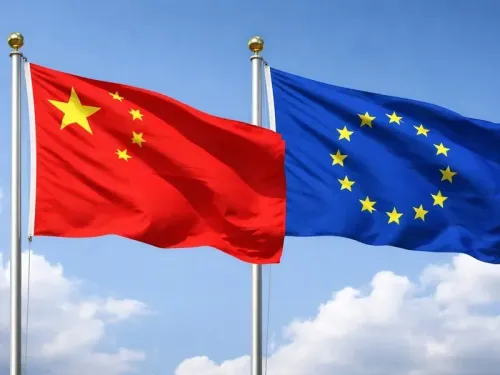
Canberra, Jan 22 (NationPress) The United Kingdom's choice to authorize the construction of a Chinese Embassy in London signifies more than just a mere "planning approval"; it serves as a stark reminder of how economic vulnerabilities can lead to substantial strategic risks—a lesson Australia must heed. Critics argue that the planned Embassy could function as a center for interference within the UK and a means to silence dissent against China in Europe, as highlighted in a recent report.
"By greenlighting the development of an expansive Chinese Embassy in London, the UK is sacrificing long-term security resilience for fleeting economic benefits. For Australia, the decision made on January 20 raises alarms regarding strategic messaging, alliance integrity, and the dangers of increased economic dependency on China—especially since all AUKUS partners are striving to fortify their pact against China, identified as a peer competitor to the United States," detailed a report from Australia’s ‘The Strategist’.
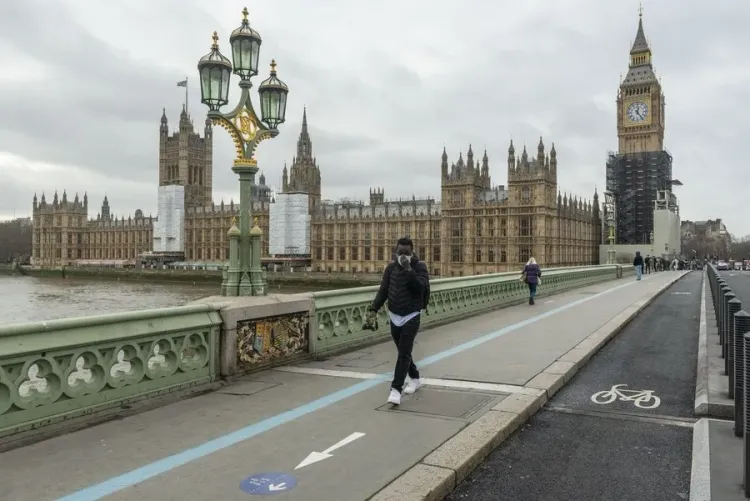
Covering an area of 55,000 square meters, this Embassy will become the largest diplomatic mission in Europe, surpassing even the US embassy in London. It will be located adjacent to the Tower of London and mere meters away from sensitive communications cables that relay financial data from the city to Canary Wharf.
The report raises security concerns about potential surveillance during construction, with Chinese officials stationed just a meter from cables running beneath the pavement. It notes that, according to diplomatic conventions, China could lawfully prevent British authorities from inspecting the premises both during and after construction.
“Concerns about espionage are not without merit, particularly after Westminster was mired in a Chinese spying scandal last year that revealed the fragility of democratic institutions. Subsequent charges against two accused individuals were dropped when the British government hesitated to label China as a ‘threat’. This situation further fueled perceptions of excessive caution towards Beijing,” the report stated.
Regarding the Embassy plans, the US has reportedly expressed significant concerns, with the chair of the US House Select Committee on the Chinese Communist Party vocally opposing the project, citing risks to US data that traverses neighboring cables.
“When allies voice concerns at this level, those worries deserve serious consideration,” the report emphasized.
For Australia, the key takeaway is that diversifying its economy to lessen reliance on China should always be a strategic priority, as over-dependence grants Beijing undue strategic leverage.
“Governments viewed as transactional regarding national security may jeopardize allied trust. Britain, a crucial member of the Five Eyes intelligence network and AUKUS, a security alliance aimed at counterbalancing China through deterrence, raises questions about its strategic coherence when it appears to court Beijing for economic gains,” the report underscored.
Point of View
It is imperative to recognize the implications of the UK’s decision regarding the Chinese Embassy. The balance between economic advantages and national security is delicate, and Australia must remain vigilant to ensure that strategic alliances are not compromised.
NationPress
6 Sept 2026
Frequently Asked Questions
What concerns are raised about the new Chinese Embassy?
The new Chinese Embassy raises concerns regarding potential espionage, interference in British affairs, and the ability to suppress dissent against China.
Why is the US worried about the Embassy's construction?
The US is concerned that the Embassy could compromise the security of sensitive data that passes through nearby cables.
How does this impact Australia's relationship with China?
The situation highlights the need for Australia to diversify its economy and reduce reliance on China to avoid granting it strategic leverage.