Is the UK Following Canada’s Concerning Trend of Protecting Khalistani Extremists?
Synopsis
The UK faces a critical choice: uphold justice by extraditing Khalistani militant Paramjeet Singh Pamma or follow Canada's troubling trend of protecting extremists. This report highlights the implications of such a decision on global security and justice.
Key Takeaways
The UK’s protective stance towards extremists raises global security concerns.
Khalistani extremism is linked to significant acts of terrorism.
Extraditing militants like Paramjeet Singh Pamma is crucial for justice.
The narrative surrounding extremists can be misleading and dangerous.
International alliances are at stake due to such protective measures.
London, Jan 14 (NationPress) The United Kingdom’s protective approach towards extremists poses significant global risks, exacerbating terrorism, weakening international alliances, and jeopardizing innocent lives, as highlighted in a recent report.
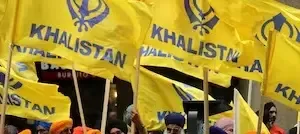
The report emphasizes that Khalistani extremism is manifest in various acts of terror and violence associated with its ideology.
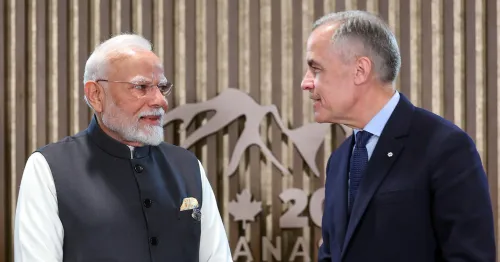
As noted by 'Khalsa Vox', the UK faces a critical decision: should it uphold justice by extraditing wanted militants like Paramjeet Singh Pamma, or does it intend to mimic Canada’s trajectory towards diplomatic isolation, which ultimately undermines national interests?
A recent article in 'The Guardian' portrayed Pamma in a “sympathetic light,” suggesting he is a victim of alleged transnational repression by India. This narrative has been criticized as not merely “misleading” but “utter nonsense.”
“Pamma is far from an innocent activist; he is linked to Khalistani militancy and is accused of serious offenses, including bombings and murders. By advising him to enhance his home security and granting asylum, the UK appears to be adopting Canada’s worrying pattern of shielding extremists under the pretense of safeguarding free speech. This shift raises grave questions: Is the UK prioritizing political alliances and diaspora votes over global security and justice?” the report states.
To grasp the absurdity of The Guardian’s framing, one must explore the dark history of the Khalistan movement. The most devastating act carried out by Khalistani extremists was the 1985 bombing of Air India Flight 182, which claimed 329 lives, predominantly Canadian citizens. Though support for Khalistan is virtually non-existent in India, a few of these individuals have sought refuge abroad, especially in Canada and now increasingly in the UK,” it continued.
The report stresses that Pamma’s “ill deeds” extend beyond mere allegations; he has connections to the terror group Babbar Khalsa International (BKI), which was responsible for the 1985 Air India bombing. He also played a significant role in fundraising efforts for BKI, channeling resources into violent activities.
The article in The Guardian, as per the Khalsa Vox report, conveniently neglected Pamma’s background, instead focusing on his claims of threats from “Hindu nationalists.”
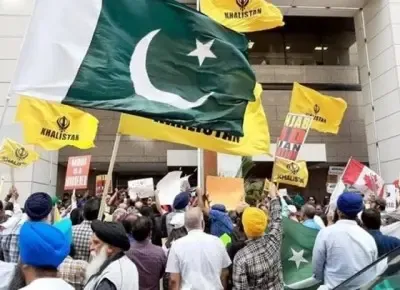
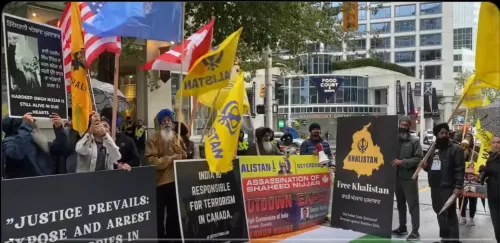
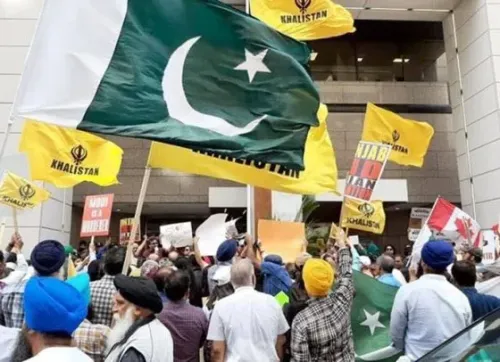
“He alleges harassment, including broken car windows and armed visits, yet UK police investigations have not resulted in any charges. Meanwhile, Pamma isolates himself from his family for ‘safety,’ mirroring tactics employed by other militants to evade scrutiny. This victim narrative fails to acknowledge that Khalistani factions have incited violence, such as the 2023 attack on India’s High Commission in London by pro-Khalistan demonstrators,” the report concluded.
Point of View
It is vital to recognize the complexities surrounding the UK's approach to Khalistani extremism. The balance between protecting civil liberties and ensuring national and global security remains paramount. Upholding justice is crucial in maintaining international credibility and alliances, particularly in a time where terrorism poses a significant threat. The UK must navigate these waters carefully to avoid the pitfalls seen in other nations.
NationPress
23 Sept 2026
Frequently Asked Questions
What is the Khalistan movement?
The Khalistan movement is a separatist movement advocating for the creation of a Sikh state called Khalistan in India. It has been linked to various acts of violence and terrorism, most notably the 1985 Air India bombing.
Who is Paramjeet Singh Pamma?
Paramjeet Singh Pamma is a Khalistani militant accused of serious crimes, including involvement in terror activities. He has sought asylum in the UK, raising concerns about the country's approach to handling extremism.
Why is the UK criticized for its stance on extremism?
The UK is criticized for potentially prioritizing political alliances and diaspora votes over global security and justice by shielding extremists under the guise of protecting free speech.
What are the implications of shielding extremists?
Shielding extremists can lead to increased terrorism, weakened international alliances, and jeopardized innocent lives, ultimately harming national interests.
How does the Khalistan movement affect UK-India relations?
The Khalistan movement complicates UK-India relations, particularly when the UK is perceived to be protecting individuals associated with terrorism, which undermines trust and diplomatic ties.