UN raises alarm over Yemen hostilities, warns of humanitarian crisis
Synopsis
The UN is sounding its loudest alarm yet over Yemen's spiralling conflict — Saudi-led airstrikes on Hodeidah Port, Houthi cross-border attacks, and a near-total supply collapse in Taiz city paint a picture of a crisis with no military exit in sight. With food stocks at 10% of need and fuel prices up 300%, the humanitarian window is closing fast.
Key Takeaways
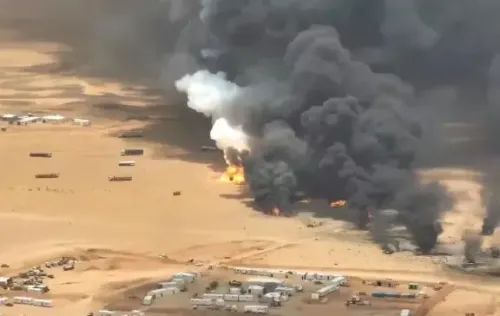
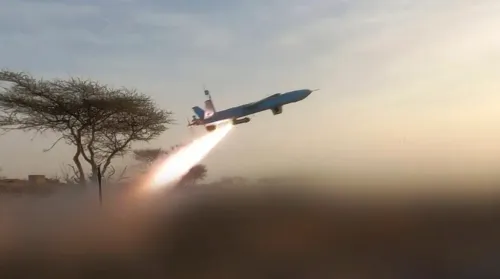
The UN expressed deep concern over Saudi-led Coalition airstrikes on Hodeidah Port and continued Houthi attacks on Saudi Arabia on Friday, 21 November .
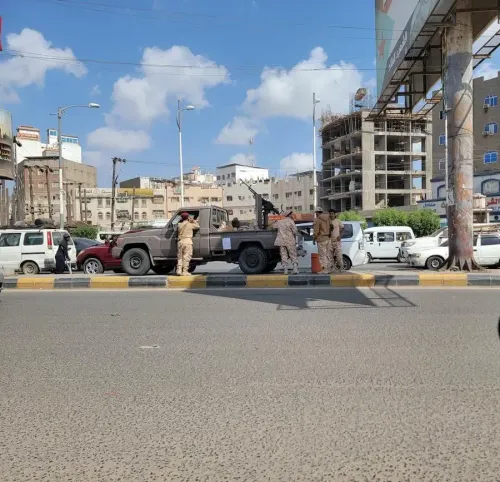
Military operations are ongoing in the governorates of Sanaa , Saada , and Taiz .
In Taiz city , food stocks meet only one-tenth of residents' needs; food, medicine, and water supplies have fallen by 90 per cent due to road closures.
Fuel and gas prices in Taiz have risen by 300 per cent ; transport costs have quadrupled .
UN Deputy Spokesman Farhan Haq stated there is 'no military solution' and called for a return to political negotiations.
OCHA is urging the reopening of key supply routes and unimpeded humanitarian access across Yemen.
The United Nations has voiced deep concern over escalating hostilities in and around Yemen, warning of a deepening humanitarian catastrophe as airstrikes, ground operations, and cross-border attacks intensify across multiple fronts.
Key Developments on the Ground
Farhan Haq, Deputy Spokesman for UN Secretary-General António Guterres, said on Friday that the UN was closely tracking reports of Saudi-led Coalition airstrikes on Hodeidah Port, ongoing military operations in the governorates of Sanaa, Saada, and Taiz, and continued Houthi attacks on Saudi Arabia. 'We remain deeply concerned about the ongoing military escalation in and around Yemen,' Haq said.
He underscored the critical importance of Yemen's Red Sea ports, describing them as 'a lifeline to millions of people in Yemen' and stressing the need to safeguard their continued operations. The UN urged all parties to honour their obligations under international humanitarian law, including the prohibition on targeting civilians and civilian infrastructure.
Taiz City: A City on the Brink
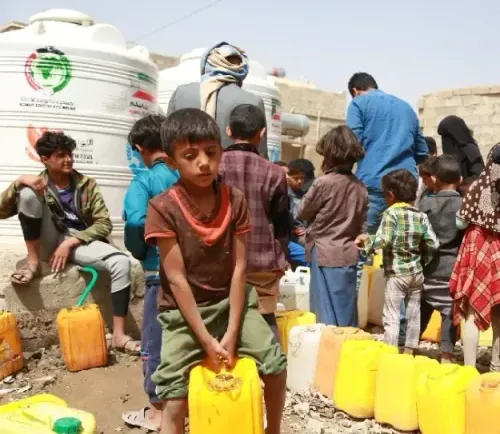
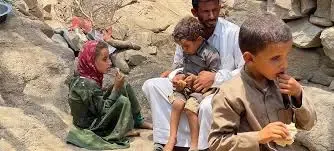
The situation in Taiz city has reached a critical threshold, according to the UN Office for the Coordination of Humanitarian Affairs (OCHA). Food stocks in the city are meeting just one-tenth of residents' needs, with road closures having slashed supplies of food, medicine, and water by 90 per cent. Cooking gas, petrol, and diesel have dropped by as much as 97 per cent.
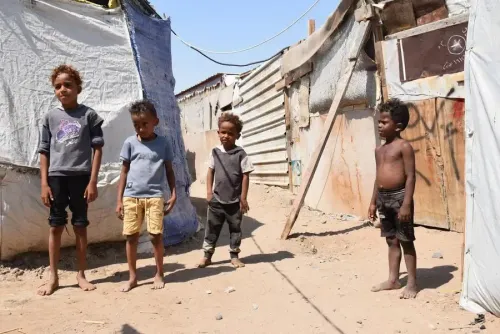
The economic toll is equally severe: food prices have surged by 60 per cent, fuel and gas prices by 300 per cent, and transport costs have quadrupled, according to OCHA. Shortages of medicines, vaccines, and medical supplies are disrupting healthcare, with the most vulnerable — children, pregnant women, and those with chronic illnesses — bearing the heaviest burden.
UN Call for Political Resolution
Haq was unequivocal that military action cannot end the conflict. 'Ultimately, there is no military solution to the conflict. All parties need to find a pathway back to political negotiations,' he said. This reflects a consistent UN position that has gone largely unheeded since Yemen's civil war escalated in 2015.
OCHA reiterated its call for the protection of civilians and refugees, and for safe, sustained, and unimpeded humanitarian access — including the reopening of key supply routes into Taiz city. Despite active fighting and severe access constraints, humanitarian partners are reportedly continuing to assist displaced families across the Taiz governorate.
Broader Context and What Comes Next
Yemen's conflict, now in its tenth year, has created one of the world's worst humanitarian crises, with millions dependent on aid delivered through ports and supply corridors that are repeatedly targeted. The fresh escalation around Hodeidah Port — a critical entry point for roughly 70 per cent of Yemen's imports — raises fears of a repeat of the 2018 standoff that nearly triggered famine-level conditions. The international community will be watching whether the UN's renewed calls translate into any ceasefire engagement, or whether the cycle of escalation and stalled diplomacy continues.
Point of View
It is the artery through which most of Yemen's food imports flow, and every strike on it is a strike on civilian survival. What mainstream coverage often misses is that the 90% supply collapse in Taiz is not a side effect of the conflict; it is, for many analysts, a deliberate pressure tactic. The UN has called for political negotiations at every escalation point since 2015, yet the cycle repeats. The real accountability question is why international mechanisms have repeatedly failed to enforce the protections they publicly demand.
NationPress
21 Nov 2026
Frequently Asked Questions
What has the UN said about the Yemen conflict escalation?
The UN has expressed deep concern over Saudi-led Coalition airstrikes on Hodeidah Port, military operations in Sanaa, Saada, and Taiz, and ongoing Houthi attacks on Saudi Arabia. Deputy Spokesman Farhan Haq called for a return to political negotiations, stating there is no military solution to the conflict.
Why is Hodeidah Port so important in the Yemen conflict?
Hodeidah Port is a critical entry point for the vast majority of Yemen's imports, including food and medicine, making it a lifeline for millions of civilians. Airstrikes on the port directly threaten humanitarian supply chains and risk triggering famine-level conditions, as seen during the 2018 standoff.
How severe is the humanitarian situation in Taiz city?
Food stocks in Taiz city are meeting just one-tenth of residents' needs, with road closures cutting supplies of food, medicine, and water by 90 per cent. Fuel and gas prices have risen by 300 per cent, and transport costs have quadrupled, according to OCHA.
Who is most affected by the Yemen crisis?
Civilians across Yemen are bearing the brunt, with children, pregnant women, and people with chronic illnesses facing the worst healthcare shortages. Millions depend on humanitarian aid delivered through ports and supply routes that are repeatedly disrupted by fighting.
What is the UN calling for to resolve the Yemen conflict?
The UN is urging all parties to uphold international humanitarian law, protect civilians, and reopen key supply routes into Taiz city. It is also calling for a return to political negotiations, emphasising that there is no military solution to the decade-long conflict.