UN warns Yemen civilian toll rising as drones, airstrikes hit hospitals and homes
Synopsis
The UN sounded its sharpest warning yet on Yemen civilian harm, as hospitals and markets face drone and missile strikes once thought impossible. With a UN staffer dead in Houthi custody, 70 more detained, and the Security Council unanimously renewing sanctions through 2027, international pressure is mounting — but enforcement remains the unresolved question.
Key Takeaways
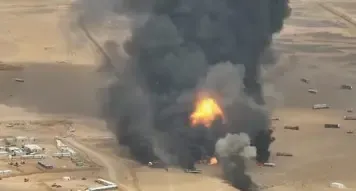
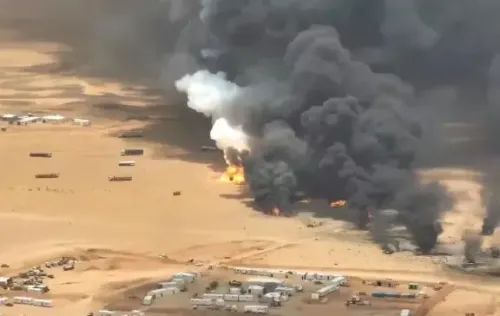
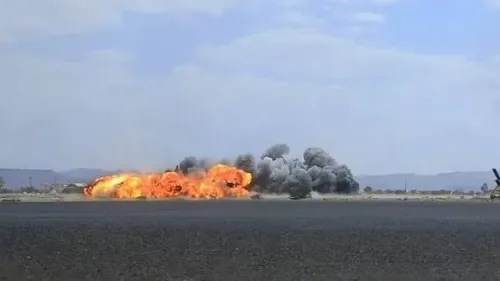
The UN warned on 14 November 2026 that civilians in Yemen , including children, are being killed and injured in hospitals, markets, and homes by drones, missiles, and airstrikes.
UN High Commissioner Volker Türk demanded the return of the body of UN staffer Mohammed Ibrahim Al-Shami , who died in Houthi custody, and called for accountability.
Approximately 70 UN personnel remain detained by the Houthis, some since 2024 .
The UN Security Council unanimously adopted Resolution 2837 , renewing Yemen's asset freeze and travel ban sanctions until 14 November 2027 .
The Panel of Experts overseeing sanctions will be expanded from 4 to 6 members ; its mandate runs until 15 December 2027 .
The targeted arms embargo against the Houthis, originally set by Resolution 2216 of 2015 , has no expiry date and was reaffirmed.
The United Nations has raised fresh alarm over escalating civilian casualties in Yemen, warning that hospitals, markets, and residential areas once considered safe are now being struck by drones, missiles, airstrikes, and shelling. The statement came on Friday, 14 November 2026, amid intensifying violence across the war-torn country.
Key Developments
Farhan Haq, deputy spokesman for the UN Secretary-General, said the pattern of attacks on civilian infrastructure represents a deeply troubling shift. 'Across the country, civilians and civilian infrastructure are increasingly being hit by drones, missiles, airstrikes and shelling,' Haq said at a briefing. He stressed that children are among those being killed and injured in locations that were regarded as safe only a few months ago.
'This worrying trend must not become the accepted reality of the war in Yemen,' Haq said, adding that obligations under international law apply to all parties under all circumstances. 'We reiterate the need to take all feasible precautions and measures to prevent civilian harm and to ensure accountability for violations,' he added.
Death of UN Staffer and Houthi Detentions
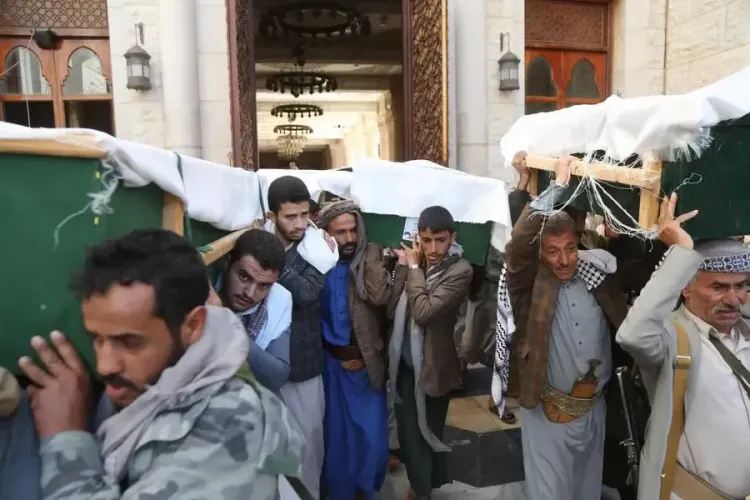
UN High Commissioner for Human Rights Volker Türk separately demanded the immediate return of the body of UN staffer Mohammed Ibrahim Al-Shami, whose death in Houthi custody was confirmed approximately two weeks ago. Haq conveyed Türk's call for the Houthi de facto authorities to 'take urgent steps to establish the date, cause and circumstances of his death, and to ensure that those responsible are held accountable.'
Al-Shami was among approximately 70 UN personnel detained by the Houthis, some of whom have been held since 2024. The High Commissioner also reiterated his demand that all detained UN and humanitarian personnel be 'released immediately and unconditionally.'
UN Security Council Renews Yemen Sanctions
On Thursday, the UN Security Council unanimously adopted Resolution 2837, renewing Yemen sanctions — including asset freezes and travel bans — through 14 November 2027. The resolution also extends the mandate of the Panel of Experts, which oversees sanctions implementation, until 15 December 2027, and requests that the panel submit a final report to the Security Council no later than 15 October 2027.
Notably, the resolution calls for the Panel of Experts to be expanded from four to six members, reflecting the growing complexity of the conflict. It strongly condemns the Houthis' military escalation, their cross-border and maritime attacks against Saudi Arabia, and threats against commercial shipping, demanding an immediate and unconditional cessation of hostilities.
Arms Embargo Reaffirmed
Resolution 2837 reaffirms the targeted arms embargo against the Houthis first established under Resolution 2216 of 2015. Crucially, the arms embargo carries no expiry date, making it one of the longest-standing UN restrictions tied to the Yemen conflict — now in its eleventh year.
Broader Context and What Comes Next
The Yemen war has claimed hundreds of thousands of lives — directly and through famine and disease — since the Houthi takeover of Sanaa in 2014 and the subsequent Saudi-led military intervention in 2015. Despite intermittent ceasefires and UN-mediated talks, violence has surged again in recent months, with civilian harm indicators worsening. The expansion of the Panel of Experts and the Security Council's unanimous vote signal renewed multilateral resolve, though enforcement of existing measures has historically been difficult. All eyes will be on whether the Houthis respond to international pressure or continue their current trajectory of attacks.
Point of View
But unanimity on paper has rarely translated into Houthi compliance — the arms embargo has been in place since 2015 with limited effect. The death of a UN staffer in Houthi custody, and the detention of 70 humanitarian workers, marks a qualitative escalation: aid infrastructure itself is now a target, which historically precedes catastrophic civilian harm. Expanding the Panel of Experts is a process step, not a deterrent. The real test is whether member states enforce existing measures or allow Yemen to slide further off the international agenda as other conflicts command attention.
NationPress
14 Nov 2026
Frequently Asked Questions
What has the UN said about civilian casualties in Yemen?
The UN warned on 14 November 2026 that civilians, including children, are increasingly being killed and injured in Yemen by drones, missiles, airstrikes, and shelling — in locations such as hospitals, markets, and homes that were considered safe only months ago. Deputy spokesman Farhan Haq called the trend a violation of international law and demanded accountability from all parties.
What happened to UN staffer Mohammed Ibrahim Al-Shami?
Mohammed Ibrahim Al-Shami, a UN staff member, died in Houthi custody, with his death confirmed approximately two weeks before the 14 November briefing. UN High Commissioner for Human Rights Volker Türk demanded the return of his body to his family and called on Houthi authorities to establish the cause and circumstances of his death and hold those responsible accountable.
What is UN Security Council Resolution 2837 on Yemen?
Resolution 2837, adopted unanimously on Thursday, renews Yemen's existing UN sanctions — including asset freezes and travel bans — until 14 November 2027. It also extends the mandate of the Panel of Experts to 15 December 2027, expands the panel from four to six members, and strongly condemns Houthi military escalation and attacks on Saudi Arabia and commercial shipping.
How long has the UN arms embargo against the Houthis been in place?
The targeted arms embargo against the Houthis was first established under Resolution 2216 in 2015 and carries no expiry date. Resolution 2837 reaffirms it, making it one of the longest-standing UN restrictions tied to the Yemen conflict.
How many UN and humanitarian workers are detained by the Houthis?
Approximately 70 UN personnel are currently detained by the Houthis, some of whom have been held since 2024. The UN High Commissioner has called for all detained UN and humanitarian personnel to be released immediately and unconditionally.