Yemen's Taiz cut off by fighting: UN relief chief demands urgent aid access
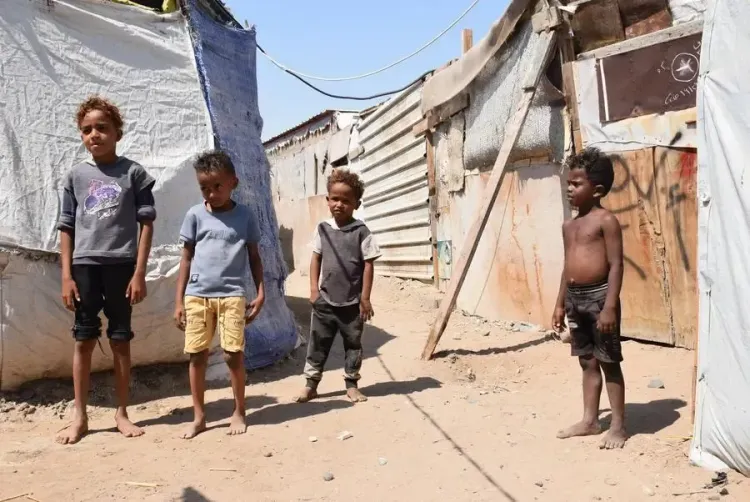
Synopsis
All roads into Yemen's Taiz have been severed by fighting, leaving a quarter of a million people — including 186,000 children under five and 23,000 pregnant women — without access to health care. With 12 hospitals on the brink of closure, a cholera outbreak already emerging, and 300,000 newly displaced since August, the UN's 90-day emergency plan is a race against the clock.
Key Takeaways
Fighting has cut off all roads into Taiz , Yemen, as of 3 November 2025 , blocking humanitarian access.
Nearly 250,000 people have lost access to essential health care, including 186,000 children under five and 23,000 pregnant women .
12 hospitals are at risk of closing or have reduced services due to fuel and supply shortages.
More than 1,400 cases of acute diarrhoea and suspected cholera were reported in a single week.
Since August 2025 , nearly 300,000 people have been newly displaced; 68 civilians have been killed and 204 injured , with children comprising 40% of casualties.
OCHA and health partners are implementing a 90-day emergency plan ; more than 254,000 displaced people have already received food and emergency assistance.
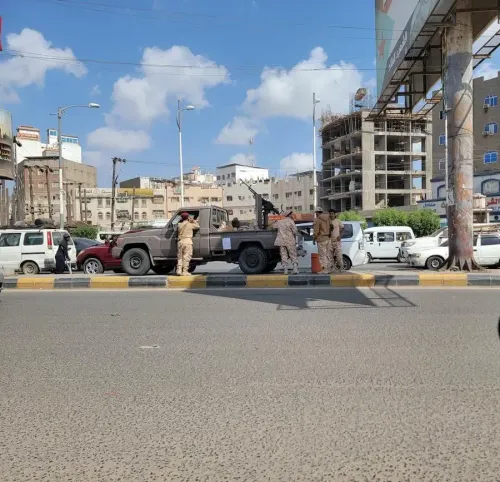
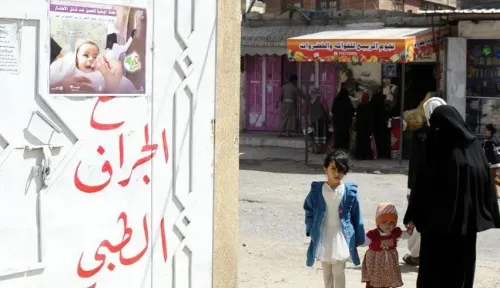
Fighting has severed all road access into Taiz, Yemen's third-largest city, triggering an urgent appeal from Tom Fletcher, the UN Emergency Relief Coordinator, for immediate humanitarian access. The UN Office for the Coordination of Humanitarian Affairs (OCHA) confirmed on Monday, 3 November 2025 that nearly a quarter of a million people have been cut off from essential health care, including more than 186,000 children under the age of five and 23,000 pregnant women.
Scale of the Humanitarian Crisis
OCHA warned that 12 hospitals are at risk of closing or have already been forced to reduce services due to critical shortages of fuel and medical supplies. In a single week, more than 1,400 cases of acute diarrhoea and suspected cholera were recorded — a stark indicator of a public health system under severe strain. 'Health services in the city are failing under the strain of lack of supplies and access to the city,' OCHA said in its statement.
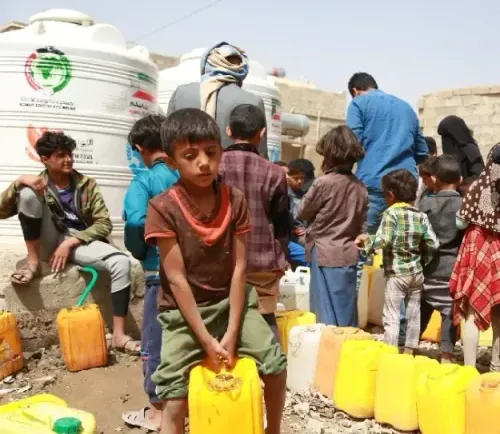
The disease burden compounds an already dire displacement crisis. Since early August 2025, when the latest round of fighting erupted, nearly 300,000 people have been forced from their homes in Taiz and surrounding areas. This is in addition to the 5.2 million people who were already displaced across Yemen — out of a total population of 35 million — before the current escalation began.
UN Relief Chief Engages Yemeni Authorities
Tom Fletcher held direct talks with Yemeni Foreign Minister Afrah Abdulaziz Saleh Alzouba, discussing the displacement of civilians in Taiz, the rapidly rising humanitarian needs, and the critical requirement for unimpeded access so aid partners can resume deliveries, according to OCHA. The conversation reflects growing alarm at the UN that the Taiz crisis could deteriorate into a full-scale humanitarian emergency if access is not restored swiftly.
Humanitarian partners have, wherever access permits, already provided more than 254,000 displaced people with food, hygiene supplies, and emergency cash assistance. OCHA said it is simultaneously coordinating with health partners on a 90-day emergency plan to keep life-saving services operational, restore disrupted care, and strengthen disease surveillance across affected areas.
Civilian Casualties and Child Toll
The UN Human Rights Office has verified 272 civilian casualties since the beginning of August 2025 — comprising 68 killed and 204 injured. Critically, children account for 40 per cent of all verified casualties, a proportion that rights monitors say underscores the indiscriminate nature of the violence.
The UN has reiterated its call on all parties to the conflict to protect civilians and civilian infrastructure, respect international humanitarian law, and allow safe, sustained, and unimpeded humanitarian access — including free passage into Taiz.
Context: Yemen's Prolonged Conflict
Yemen has been locked in a devastating civil war for over a decade, pitting the internationally recognised government against Houthi forces, with multiple ceasefires and peace processes stalling over the years. Taiz has historically been one of the most contested cities in the conflict. The latest flare-up since August 2025 represents a significant setback to fragile stabilisation efforts and has reversed gains made in easing humanitarian access in previous months.
What Happens Next
The 90-day emergency health plan is now the most immediate operational priority, but its success hinges entirely on road access being restored. Aid agencies are warning that without a breakthrough in access, the cholera risk alone could spiral into a citywide outbreak within weeks. All eyes are on diplomatic channels — and whether Fletcher's engagement with Yemeni authorities translates into verifiable, sustained access on the ground.
Point of View
A collapsing health system, and an emerging cholera outbreak: three compounding crises that individually would be serious, and together risk becoming catastrophic. The 90-day emergency plan signals organisational intent, but OCHA's own language — 'wherever they can reach people' — reveals the plan's central vulnerability: it is access-dependent in a city where access has just been eliminated. Tom Fletcher's direct engagement with the Yemeni foreign minister is diplomatically appropriate but historically insufficient; similar appeals in past Taiz crises produced temporary corridors, not durable access. The 40% child casualty share deserves its own spotlight — it is both a moral indictment of the parties involved and a future demographic crisis being written in real time.
NationPress
3 Nov 2026
Frequently Asked Questions
Why has Taiz been cut off from humanitarian aid?
Fighting has severed all road access into Taiz, Yemen's third-largest city, as of early November 2025, preventing aid convoys and medical supplies from reaching the population. OCHA confirmed that the latest escalation in hostilities, which began in August 2025, has made the city effectively inaccessible to humanitarian partners.
How many people are affected by the Taiz crisis?
Nearly 250,000 people in Taiz have lost access to essential health care, including more than 186,000 children under the age of five and 23,000 pregnant women. Since August 2025, approximately 300,000 people have been newly displaced across the wider conflict zone.
What is the UN doing to respond to the Taiz emergency?
UN Emergency Relief Coordinator Tom Fletcher has engaged directly with Yemeni Foreign Minister Afrah Abdulaziz Saleh Alzouba to press for humanitarian access. OCHA and its health partners are also implementing a 90-day emergency plan to sustain life-saving services and counter disease outbreaks, while humanitarian partners have already reached more than 254,000 displaced people with food, hygiene supplies, and emergency cash.
How serious is the cholera and disease risk in Taiz?
More than 1,400 cases of acute diarrhoea and suspected cholera were reported in Taiz in a single week, according to OCHA. With 12 hospitals at risk of closure due to fuel and supply shortages, public health officials warn that disease surveillance and response capacity are rapidly eroding.
What has the UN said about civilian casualties in Yemen since August 2025?
The UN Human Rights Office has verified 272 civilian casualties since the beginning of August 2025 — 68 killed and 204 injured. Children account for 40 per cent of all verified casualties, prompting the UN to call on all parties to protect civilians and respect international humanitarian law.