UN relief chief demands Gaza humanitarian access, slams Israeli restrictions
Synopsis
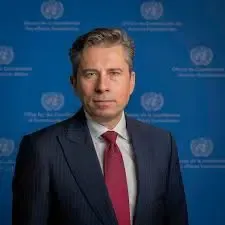
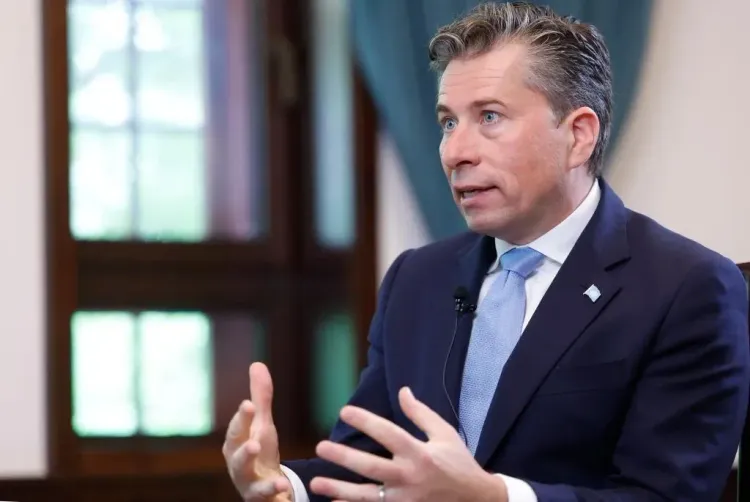
UN relief chief Tom Fletcher told the Security Council on 19 June that Gaza’s humanitarian system is being deliberately choked — one or two crossings, cumbersome approvals, Israeli restrictions on medical gear and fuel — and demanded an immediate, unconditional fix. His blunt message: these are not bargaining chips, and the world’s ambition cannot stop at keeping children alive while they remain hungry and homeless.
Key Takeaways
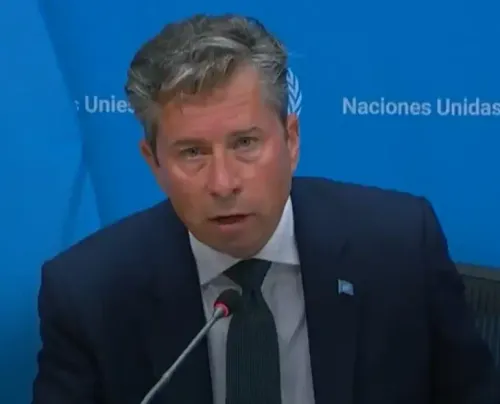
Tom Fletcher , UN Under-Secretary-General for Humanitarian Affairs, addressed the Security Council on 19 June demanding removal of all humanitarian restraints on Gaza .
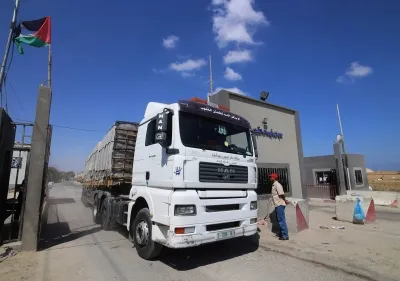
Humanitarian access is currently limited to one or two operational crossings , despite greater capacity being available.
Fletcher demanded full-capacity operation of Erez/Beit Hanoun , Karni , and Kerem Shalom/Karem Abu Salem crossings.
He called for immediate removal of Israeli restrictions on medical equipment, fuel, spare parts, and protective gear for aid workers.
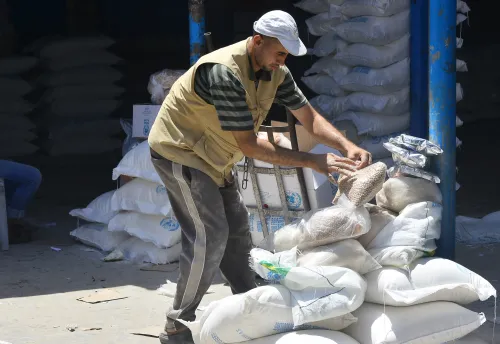
UNRWA and NGO restrictions are compounding the crisis, leaving vital aid stalled outside Gaza .
Fletcher also sought restoration of humanitarian customs waivers and long-term visas for UN and NGO staff.
Tom Fletcher, the United Nations Under-Secretary-General for Humanitarian Affairs and Emergency Relief Coordinator, on Thursday, 19 June urged the UN Security Council to demand the immediate removal of all humanitarian restraints on Gaza, warning that critical aid continues to be stalled outside the territory despite recent, limited improvements.
Persistent Constraints on Aid Access
Fletcher told the Security Council that humanitarians on the ground continue to face “continued persistent and deliberate constraints.” He noted that humanitarian access remains dependent on “one, at most two, operational crossings,” even as significantly greater capacity could be made available.
“Cumbersome approvals and customs procedures, combined with restrictions on so-called ‘dual-use’ items, limit the entry of critical humanitarian supplies,” Fletcher said. Shortages of fuel, spare parts, armoured vehicles, and other protective equipment for aid workers are further undermining operations on the ground.
Specific Crossings and Sites Demanded
Fletcher called for the immediate, full-capacity operation of the Erez/Beit Hanoun, Karni, and Kerem Shalom/Karem Abu Salem crossings to establish what he described as a “high-volume, multi-route pipeline.” He also sought access to critical sites inside Gaza, including landfills near the perimeter fence.
Restrictions imposed on the UN Relief and Works Agency for Palestine Refugees in the Near East (UNRWA) and non-governmental organisations (NGOs) are compounding the crisis, he added, leaving vital support stalled and humanitarian work severely undermined.
What the UN Is Asking For
In direct remarks to Security Council members, Fletcher laid out a series of concrete demands. He called for “the immediate removal of Israeli restrictions on essential survival items, specifically medical equipment, including diagnostic tools, but also critical spare parts for water and sanitation, consistent supplies of fuel and engine oil, communication and protective equipment for aid workers.”
He also asked for the restoration of humanitarian customs waivers and the issuance of long-term, predictable visas — “not month by month” — for international, UN, and NGO staff, alongside streamlined NGO registration processes. Additionally, Fletcher called for the resumption of government-to-government convoys from Jordan and scaled-up medical evacuations to the West Bank, including East Jerusalem.
The Broader Context
Fletcher stressed that humanitarian action is “not a menu of options, but rather a single ecosystem that is severely undermined when its components are impeded.” He explicitly rejected the framing of these demands as sequential steps or bargaining chips.
Notably, Fletcher also referenced the agreement between the United States and Iran to end hostilities, and hopes for a ceasefire in Lebanon, arguing these developments should return the Security Council’s sustained attention to conditions in Gaza.
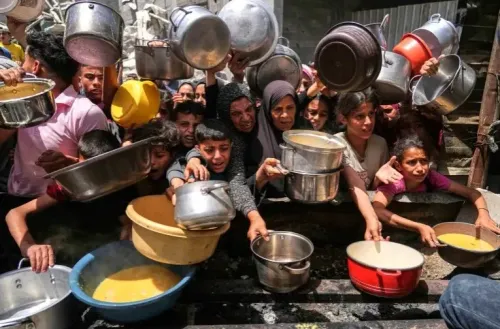
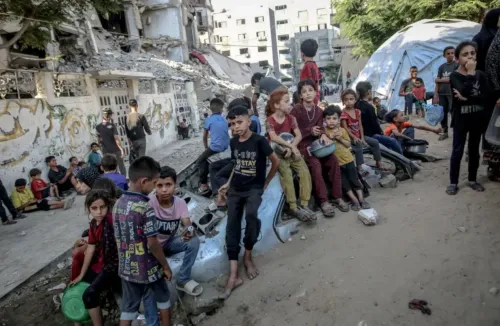
“We cannot allow the summit of our ambition and our will to be a world where children have sufficient calories to survive and are spared constant bombing, yet remain hungry, bitten by rats, homeless and out of school,” Fletcher said.
What Happens Next
The Security Council has yet to formally respond to Fletcher’s address. With ceasefire negotiations in the wider region in flux, observers will be watching whether the Council translates his appeal into binding resolutions or concrete pressure on the parties controlling access to Gaza.
Point of View
With crossing approvals and dual-use item bans functioning as a lever. The US-Iran de-escalation and Lebanon ceasefire hopes risk pulling diplomatic bandwidth away from Gaza at precisely the moment the humanitarian system is under its most deliberate pressure. Whether the Security Council acts or issues another statement of concern will reveal which members treat humanitarian law as binding and which treat it as aspirational.
NationPress
19 Sept 2026
Frequently Asked Questions
What did UN relief chief Tom Fletcher say about Gaza on 19 June?
Tom Fletcher, the UN Under-Secretary-General for Humanitarian Affairs, told the Security Council on 19 June that Gaza faces persistent and deliberate humanitarian constraints, including limited crossing access, Israeli restrictions on medical and essential supplies, and curbs on UNRWA and NGO operations. He demanded immediate, unconditional removal of these restrictions.
Which crossings did the UN demand be opened for Gaza aid?
Fletcher specifically called for the immediate, full-capacity operation of the Erez/Beit Hanoun, Karni, and Kerem Shalom/Karem Abu Salem crossings to create a high-volume, multi-route aid pipeline into Gaza.
What specific items are restricted from entering Gaza?
According to Fletcher, Israeli restrictions are blocking medical equipment including diagnostic tools, critical spare parts for water and sanitation systems, fuel, engine oil, and communication and protective equipment for aid workers. Many items are classified as so-called ‘dual-use’ goods, limiting their entry.
What is UNRWA and why does it matter in this context?
UNRWA is the UN Relief and Works Agency for Palestine Refugees in the Near East, the primary UN body providing humanitarian services in Gaza. Fletcher said restrictions on UNRWA and NGO operations are compounding aid shortfalls, leaving critical support stalled outside the territory.
How does the broader regional situation affect Gaza aid efforts?
Fletcher warned that diplomatic attention generated by the US-Iran hostilities agreement and Lebanon ceasefire hopes risks diverting the Security Council’s focus from Gaza. He stressed the Council must maintain sustained attention on conditions there, as the humanitarian ecosystem cannot function when individual components are blocked.