Crude oil rebounds past $105 after US strikes on Iran's Qeshm Island

Synopsis
US forces reportedly striking Iran's Qeshm Island — the chokepoint gateway to the Strait of Hormuz — has pushed Brent back above $105 a barrel just 24 hours after a 7.6% crash. With diplomacy stalled, the Hormuz corridor handling one-fifth of global crude flows remains under threat, and every tick higher in oil is a fiscal headache for import-dependent economies like India.
Key Takeaways
Brent crude rose 61 cents (0.58%) to $105.38 a barrel on 3 November 2026 after reports of a US strike on Iran's Qeshm Island .
WTI crude gained 71 cents (0.73%) to $97.17 a barrel in early trade.
The rebound followed a 7.6% drop in the previous session, when Brent settled at $104.77 .
The Strait of Hormuz — which handles roughly one-fifth of global oil and gas flows — remains disrupted since the conflict began in late February .
Qatar-mediated talks between the US and Iran ended without a breakthrough; diplomacy described as ongoing.
Iranian President Masoud Pezeshkian said Supreme Leader Khamenei has delegated peace negotiation authority to the government.
Global crude oil prices rebounded sharply in early Tuesday trade after US forces reportedly struck Iran's Qeshm Island, reigniting fears of a broader regional escalation and renewed threats to energy supplies flowing through the Middle East. The development pushed the international benchmark back above $105 a barrel, reversing a steep decline from the previous session.
How Markets Moved
Brent crude — the international oil benchmark — climbed 61 cents, or 0.58%, to $105.38 a barrel in early trade on Tuesday, 3 November 2026. US West Texas Intermediate (WTI) crude gained 71 cents, or 0.73%, to reach $97.17 a barrel. The rebound followed a punishing previous session in which Brent had settled $8.66, or 7.6%, lower at $104.77 a barrel.
What Happened at Qeshm Island
According to reports citing US officials, American forces targeted Qeshm Island in an operation described by some officials as defensive, aimed at limiting Iran's capacity to threaten commercial shipping in the Strait of Hormuz. Market participants said the strike prompted traders to reintroduce a geopolitical risk premium into crude prices — a premium that had partially unwound during the previous session's sell-off.
Diplomacy Still Active Despite Military Escalation
Tehran indicated that discussions with Washington aimed at resolving the conflict are continuing, though recent talks mediated by Qatar concluded without a breakthrough despite revised proposals from the Iranian side. US President Donald Trump also signalled uncertainty, saying an agreement with Tehran remained possible and casting doubt on whether previously threatened strikes would proceed. In a separate development, Iranian President Masoud Pezeshkian stated that Supreme Leader Ayatollah Mojtaba Khamenei had delegated certain authorities to the government to pursue peace negotiations.
Strait of Hormuz and the Global Energy Risk
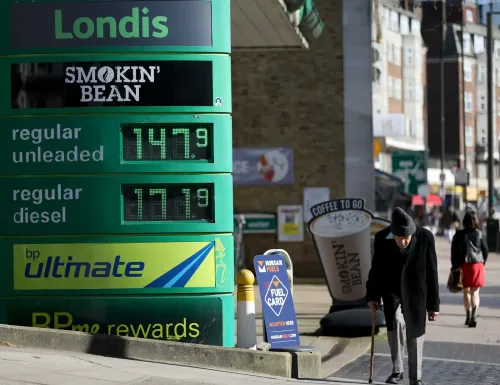
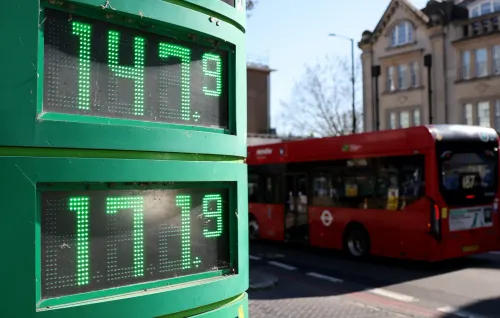
The conflict, which reportedly began in late February, has significantly curtailed shipping activity through the Strait of Hormuz — a critical energy corridor that traditionally handles roughly one-fifth of global crude oil and natural gas flows. The prolonged disruption has contributed to elevated fuel prices worldwide, adding pressure on the US administration as higher gasoline costs weigh on consumers and policymakers alike. Notably, Brent crude closed October at its highest level in six months, amid concerns that instability could intensify following the US midterm elections.
What This Means for India
India, which imports over 85% of its crude oil requirements, faces direct exposure to sustained price spikes. A prolonged disruption to Hormuz flows could pressure the Indian rupee, widen the current account deficit, and feed through to domestic fuel prices. The Centre will be closely tracking developments as higher crude costs risk complicating fiscal consolidation targets.
Point of View
The floor under energy prices is geopolitical, not fundamental. For India, the compounding risk is dollar-denominated — a weaker rupee and higher crude together can undo months of inflation management in weeks. Diplomatic signals from both Tehran and Washington are contradictory enough to suggest no resolution is imminent, which means elevated volatility, not a one-day spike, is the baseline traders and policymakers should be pricing in.
NationPress
3 Nov 2026
Frequently Asked Questions
Why did crude oil prices rebound on 3 November 2026?
Crude oil prices rebounded after reports, citing US officials, indicated that American forces had struck Iran's Qeshm Island. The development reignited fears of supply disruption through the Strait of Hormuz, prompting traders to reintroduce a geopolitical risk premium into crude prices.
How much did Brent crude and WTI rise?
Brent crude rose 61 cents, or 0.58%, to $105.38 a barrel, while WTI gained 71 cents, or 0.73%, to $97.17 a barrel in early Tuesday trade. This followed Brent's sharp 7.6% drop to $104.77 in the previous session.
What is the significance of the Strait of Hormuz to global oil supply?
The Strait of Hormuz is one of the world's most critical energy corridors, handling roughly one-fifth of global crude oil and natural gas flows. Disruption to shipping activity there since late February has already contributed to elevated fuel prices globally.
Is there any diplomatic progress between the US and Iran?
Diplomatic channels remain active but have so far yielded no breakthrough. Qatar-mediated talks concluded without agreement despite revised proposals from Iran, and US President Trump signalled uncertainty about further military action while leaving the door open to a deal.
What does the oil price spike mean for India?
India imports over 85% of its crude requirements, making it highly sensitive to sustained price increases. Higher crude costs risk widening the current account deficit, pressuring the rupee, and feeding through to domestic fuel prices, complicating the government's fiscal and inflation management.