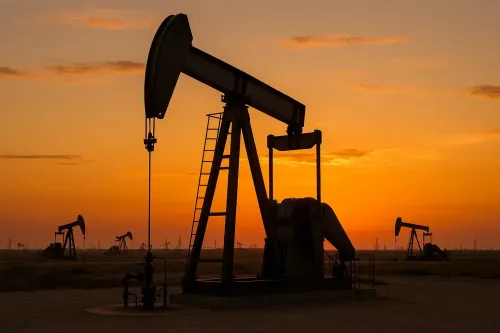
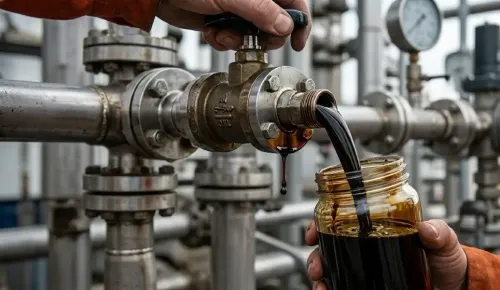
Oil rebounds 4% as US strikes on Iran stoke Strait of Hormuz fears
Synopsis
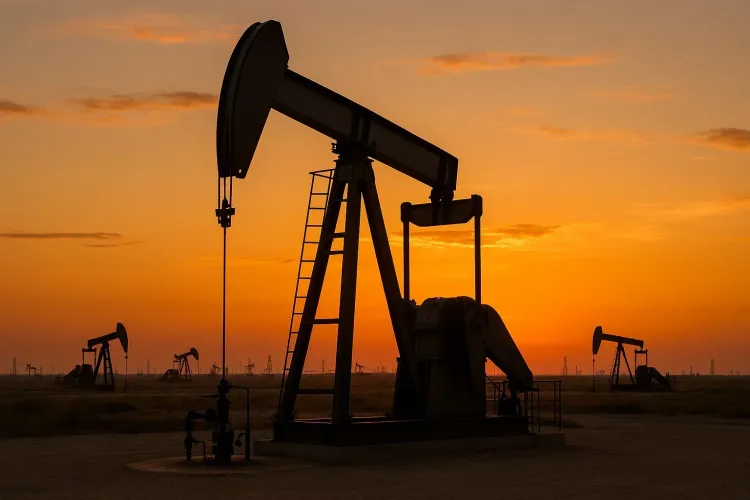
Oil's wild two-day swing — a 5%-plus crash on Wednesday followed by a near-4% rebound on Thursday — captures exactly how exposed global energy markets are to the US-Iran standoff. With Trump ruling out sanctions relief and Tehran demanding control of the Strait of Hormuz, a durable resolution looks distant, and every military action is now a price event.
Key Takeaways
Brent crude rose 3.83 per cent to $97.91 per barrel on 28 May after US airstrikes on Iran .
WTI climbed approximately 4 per cent to nearly $92 per barrel , partially reversing Wednesday's losses.
Wednesday's session had seen Brent fall 5.31 per cent and WTI drop 5.55 per cent — the weakest settlements since 17 April .
US President Donald Trump rejected joint Oman-Iran oversight of the Strait of Hormuz and ruled out sanctions relief for Tehran .
Talks remain deadlocked over Iran 's nuclear programme and Tehran 's demand for control over the Strait of Hormuz .
Global oil prices surged nearly 4 per cent on Thursday, 28 May, recovering a significant portion of the previous session's steep losses after US military forces carried out fresh airstrikes on a military site in Iran, reigniting fears over supply disruptions through the Strait of Hormuz.
Market Movement
International benchmark Brent crude climbed 3.83 per cent to trade at $97.91 per barrel, while US West Texas Intermediate (WTI) rose approximately 4 per cent to nearly $92 per barrel. The rebound partially offset Wednesday's sharp decline, during which Brent had settled down $5.29, or 5.31 per cent, at $94.29 a barrel, and WTI had fallen $5.21, or 5.55 per cent, to close at $88.68 a barrel — the weakest settlements since 17 April.
What Triggered the Rebound
According to reports, US forces conducted defensive airstrikes on a military installation in Iran and intercepted drones targeting a commercial vessel, also striking a launch unit. The strikes came as Washington and Tehran remain at an impasse over reopening the Strait of Hormuz, through which roughly 20 per cent of global oil supply transits.
This is the latest escalation in a conflict that has kept energy markets on edge, with each military development capable of swinging crude prices by several percentage points within a single session.
Trump's Position on Negotiations
US President Donald Trump stated he remained dissatisfied with the trajectory of ongoing negotiations and dismissed reports suggesting Tehran and Oman could jointly oversee the waterway. 'The strait's going to be open to everybody,' Trump said, adding that the US would continue monitoring the route.
Trump further signalled that sanctions relief remained off the table — a direct contradiction of Tehran's core demand — and reiterated that Washington would not accept what he characterised as a weak deal.
Why Negotiations Remain Deadlocked
Talks are complicated by two entrenched disputes: disagreements over Iran's nuclear programme and Tehran's insistence on retaining control over the Strait of Hormuz. Iran has also demanded an end to military attacks and financial relief through sanctions removal, conditions the Trump administration has so far rejected outright.
Notably, Wednesday's sell-off had been driven by investor optimism over a possible framework agreement to end the conflict in West Asia — optimism that Thursday's military action swiftly reversed.
What to Watch Next
Energy markets will closely track any further military developments in the Persian Gulf region, as well as the next round of diplomatic communications between Washington and Tehran. A sustained closure or restriction of the Strait of Hormuz could push Brent crude well above the $100 per barrel threshold, with significant downstream consequences for oil-importing economies including India.
Point of View
Making a framework deal structurally harder, not easier. For India, which imports over 85 per cent of its crude, every dollar above $90 on Brent tightens the current account and pressures fuel subsidy arithmetic. The real risk is not a single spike but a prolonged band of elevated volatility that makes energy budgeting impossible for import-dependent economies.
NationPress
16 Sept 2026
Frequently Asked Questions
Why did oil prices rebound on 28 May 2025?
Oil prices rebounded nearly 4 per cent on 28 May after US forces conducted fresh airstrikes on a military site in Iran and intercepted drones targeting a commercial vessel. The strikes revived fears of supply disruptions through the Strait of Hormuz, reversing the previous session's sharp decline.
How much did Brent crude and WTI rise?
Brent crude rose 3.83 per cent to $97.91 per barrel, while WTI climbed approximately 4 per cent to nearly $92 per barrel on 28 May.
What caused oil to crash on Wednesday before the rebound?
Oil fell more than 5 per cent on Wednesday as investors anticipated a possible framework agreement to end the US-Iran conflict in West Asia. Brent settled at $94.29 and WTI at $88.68 — the weakest closes since 17 April.
What is the Strait of Hormuz and why does it matter for oil?
The Strait of Hormuz is a narrow waterway between Iran and Oman through which roughly 20 per cent of the world's oil supply passes. Any restriction or closure of the strait can cause immediate and severe disruptions to global crude supply, directly driving up prices.
Where do US-Iran negotiations stand?
Negotiations remain deadlocked as of 28 May. The US has ruled out sanctions relief and rejected joint Oman-Iran oversight of the Strait of Hormuz, while Tehran demands both financial relief and control over the waterway, as well as an end to military strikes.