UN General Assembly dialogues: Otunnu and A-Baki make their case for secretary-general
Synopsis
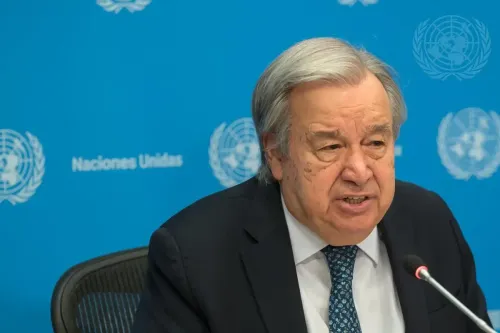
Two candidates for the UN's top job — Uganda's Olara Otunnu and Ecuador's Ivonne A-Baki — faced the General Assembly this week with starkly different pitches: one led with conflict resolution and structural reform, the other reframed the entire mandate from 'reform' to 'renewal.' With António Guterres' term ending in 2026, the race to lead a beleaguered world body is now very much in motion.
Key Takeaways
The UNGA held interactive dialogues with Olara Otunnu (Uganda) on Wednesday and Ivonne A-Baki (Tonga-nominated, Ecuador) on Thursday, 21 August .
Otunnu pledged to address the Ukraine , Gaza , Sudan , and Iran conflicts, and to reform UN financing and harness AI .
A-Baki called for 'renewal' over reform, committing to Security Council modernisation and AI-era human dignity safeguards.
All eight candidates have now participated in the UNGA dialogue process, which began in late April .
Current Secretary-General António Guterres' term ends in 2026 ; the next chief takes office on 1 January 2027 .
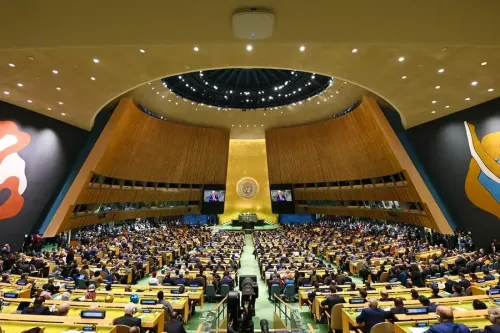
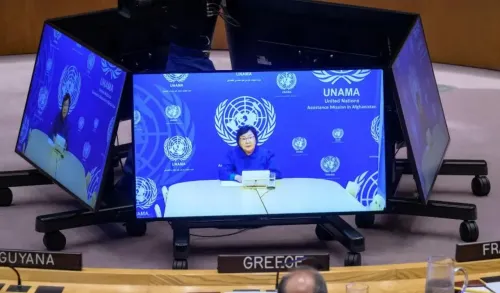
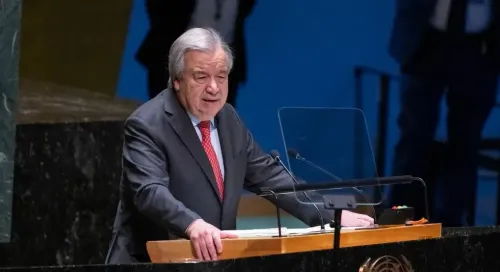
The UN General Assembly (UNGA) held separate interactive dialogues on 21 August with two candidates vying to become the next UN secretary-general — Ugandan diplomat Olara Otunnu and Ecuadoran diplomat Ivonne A-Baki — as the selection process for the world body's top post enters a critical phase.
Otunnu's Priorities: Conflicts, Reform, and AI
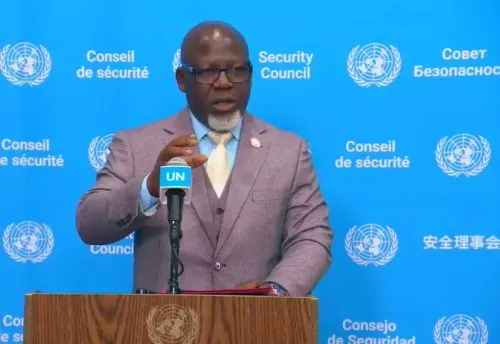
In Wednesday's dialogue, Olara Otunnu, nominated by Uganda, said the immediate priority must be tackling the proliferation of increasingly deadly conflicts that threaten to engulf entire regions. He pledged to work with member states to end the Ukraine crisis, address the Gaza crisis, and support the peace deal between Rwanda and the Democratic Republic of the Congo.
Otunnu also committed to working with the African Union and global partners to end the conflict in Sudan, support diplomatic efforts toward a comprehensive peace agreement in the Iran conflict, and strengthen counter-terrorism responses in the Horn of Africa and the Sahel.
Beyond security, Otunnu vowed to rebuild consensus on human rights, reform the UN, alleviate its fiscal crunch through innovative financing, harness the opportunities of artificial intelligence, deepen cooperation between the UN and regional organisations, and reconnect the global public to the world body.
A-Baki's Vision: Renewal Over Reform
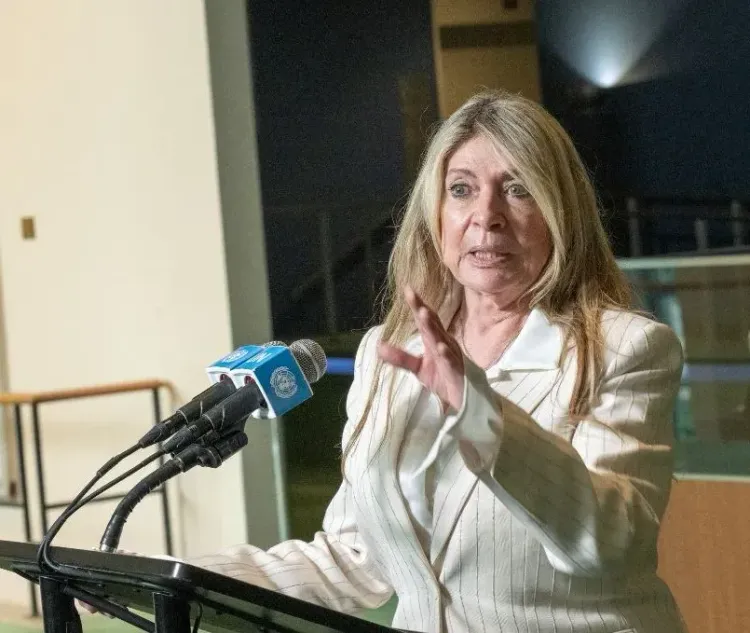
In Thursday's dialogue, Ivonne A-Baki, nominated by Tonga, drew a sharp distinction between management and leadership. 'A manager is someone who follows a mission statement. A leader is someone who follows a north star,' she said. 'My north star for this world body is not necessarily reform. It's renewal. Renewal of the promise of building peace and preventing war. Renewal of the promise to promote human dignity and social progress and renewal of the vision that the UN can be the one body where nations of the world can work together to achieve more than nations working alone.'
A-Baki committed to direct and delegated peacekeeping and peacemaking, modernisation of the Security Council, resolving development debt and unlocking finance, and safeguarding human dignity in the age of artificial intelligence.
Where the Selection Process Stands
The UNGA began convening interactive dialogues with candidates in late April. Otunnu and A-Baki are among eight candidates who have now participated in the process, with the other six having completed their dialogues previously.
Current UN Secretary-General António Guterres' term expires at the end of 2026, and the next secretary-general is set to assume office on 1 January 2027. This comes amid growing calls from member states — particularly from the Global South — for a more assertive and reform-minded leadership at the UN, as the organisation faces mounting criticism over its inability to resolve major conflicts.
What Comes Next
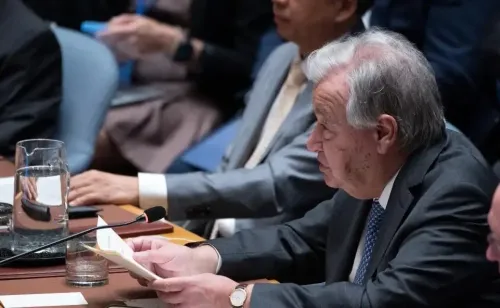
The UNGA's dialogue process is consultative; the formal appointment of the secretary-general requires a recommendation from the Security Council, followed by approval by the General Assembly. With the permanent members of the Security Council holding veto power, the selection remains a deeply political exercise. Analysts note that both candidates' emphasis on AI governance and Security Council reform reflects the shifting priorities of a membership increasingly frustrated with the UN's structural limitations.
Point of View
But neither directly confronted the UN's most structural problem: a Security Council veto system that has repeatedly paralysed responses to the very crises they pledged to resolve. Otunnu's conflict-first agenda is politically astute — it speaks to a Global South exhausted by proxy wars — but reform without Security Council buy-in is largely rhetorical. A-Baki's 'renewal' framing is evocative, yet the distinction between renewal and reform risks being semantic unless she specifies how she would move the five permanent members. The real test for any incoming secretary-general will not be vision statements before the General Assembly, but the ability to navigate P5 politics behind closed doors.
NationPress
21 Aug 2026
Frequently Asked Questions
Who are the candidates for the next UN secretary-general?
Among the candidates are Ugandan diplomat Olara Otunnu, nominated by Uganda, and Ecuadoran diplomat Ivonne A-Baki, nominated by Tonga, both of whom addressed the UNGA in August. A total of eight candidates have now participated in the interactive dialogue process.
When does the next UN secretary-general take office?
The next UN secretary-general is set to assume office on 1 January 2027. Current Secretary-General António Guterres' term expires at the end of 2026.
What did Olara Otunnu promise if selected as UN secretary-general?
Otunnu pledged to prioritise ending conflicts in Ukraine, Gaza, Sudan, and the Iran situation, support the Rwanda-DRC peace deal, strengthen counter-terrorism in the Horn of Africa and the Sahel, reform UN financing, and harness artificial intelligence for the organisation's goals.
What is Ivonne A-Baki's vision for the UN?
A-Baki called for 'renewal' rather than mere reform, framing her candidacy around rebuilding the UN's founding promise of peace, human dignity, and multilateral cooperation. She committed to Security Council modernisation, resolving development debt, and protecting human dignity in the AI age.
How is the UN secretary-general selected?
The selection requires a recommendation from the UN Security Council — where the five permanent members hold veto power — followed by approval by the General Assembly. The UNGA's interactive dialogues are consultative and do not determine the final appointment.