UN may run out of cash by August end as US, China delay dues
Synopsis
The United Nations could run dry by end of August — weeks before world leaders gather in New York for its flagship September summit. With the US sitting on $2 billion in arrears and China owing $430 million for this year alone, the organisation's finance chief has warned that keeping the lights on will require 'scrounging around and stopping other payments.'
Key Takeaways
The UN could run out of cash by end of August 2025 , just before its annual high-level leaders' summit in September .
Assistant Secretary-General Chandramouli Ramanathan warned: 'We don't have cash beyond August.' The US has accumulated approximately $2 billion in arrears; China owes about $430 million for the current year.
Only 119 of 193 UN member states have paid their assessed contributions so far in 2025.
The UN General Assembly on 1 July suspended a rule that required the UN to refund unspent allocations — even when funds were unspent due to non-payment by members.
India paid its assessed share of $35 million ( 1.1 per cent ) in February .
The United Nations faces a severe liquidity crisis and could run out of operating funds by the end of August 2025, just weeks before its flagship annual gathering of world leaders, senior UN officials warned on Wednesday, 2 July. The warning comes despite an emergency procedural fix approved by the UN General Assembly that offers only partial relief.
The Finance Chief's Blunt Warning
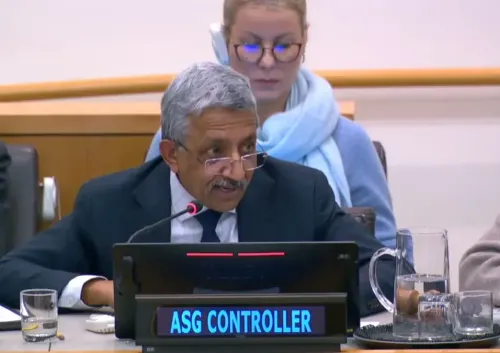
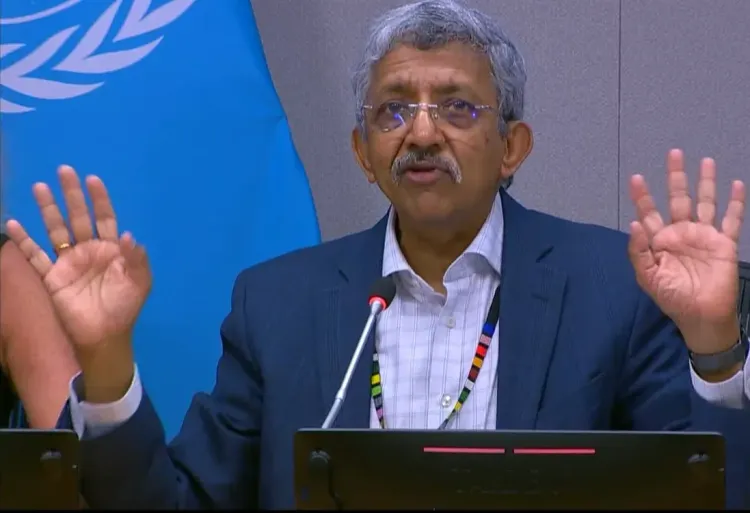
Assistant Secretary-General Chandramouli Ramanathan, the UN's top finance official, stated plainly: 'We don't have cash beyond August.' He added that by September — when the UN's high-level general debate convenes with heads of state from around the world — 'money is gone.'
Ramanathan said the organisation would resort to accounting manoeuvres to keep the September meeting alive. 'We are going to make the high-level happen by scrounging around and stopping other payments,' he said, acknowledging the extraordinary nature of the measures being considered.
Who Owes What: The US and China Problem
The UN's regular budget — separate from peacekeeping operations — stands at $3.45 billion, already a 7 per cent reduction from the previous year. The two largest contributors, China and the United States, have yet to fully pay their assessed dues.
China, whose share amounts to approximately $635 million or 20 per cent of the budget, still owes about $430 million for the current year. The US, assessed at roughly $767 million or 22 per cent, has accumulated arrears of approximately $2 billion from prior years.
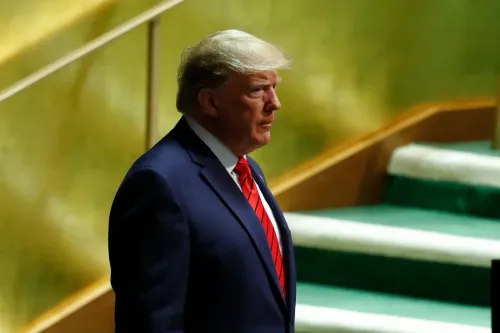
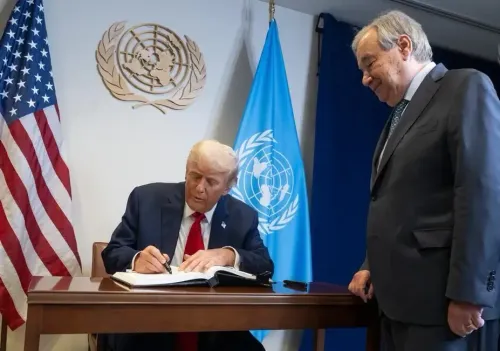
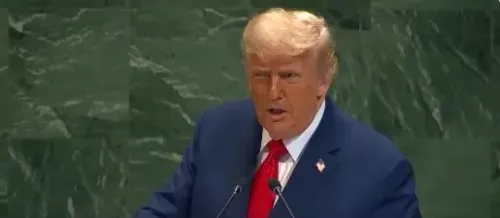
US President Donald Trump has been openly critical of the UN, withdrawing from several of its programmes. His administration is reportedly withholding contributions partly for ideological reasons, even though it has agreed to pay a portion of what is owed. Continued UN operations beyond August will depend largely on whether payments from Washington and Beijing materialise.
The 'Kafkaesque' Rule That Made Things Worse
Compounding the crisis was a longstanding procedural rule that required the UN to return unspent budget allocations to member states — even when those amounts were unspent precisely because member contributions had not arrived in the first place.
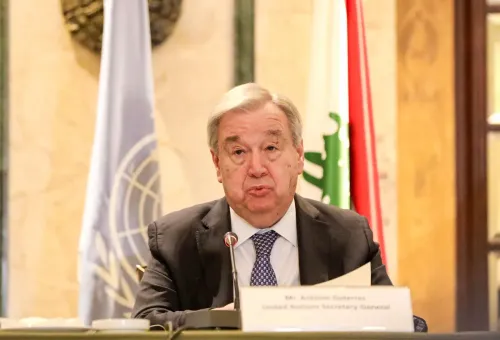
Secretary-General António Guterres described it as 'a Kafkaesque cycle' in which the UN was 'expected to give back cash that did not exist.' He elaborated: 'We were often required to return funds that we had not spent because we had not actually received them due to unpaid assessed contributions. This means that we have been hamstrung by a double blow: on one side, unpaid contributions — and on the other side, an obligation to return funds that never arrived in the first place.'
Notably, the United States was the biggest beneficiary of this arrangement — receiving refunds for contributions it had not made. In 2024, the US received a credit of approximately $65 million under this mechanism, even as its arrears mounted.
General Assembly Steps In — But Only Partially
On Tuesday, 1 July, the UN General Assembly voted to temporarily suspend the rule, breaking the cycle Guterres had described. Ramanathan acknowledged the move would help mitigate the UN's financial distress, though it falls short of resolving the underlying shortfall.
Of the 193 UN member states, only 119 have paid their assessed contributions so far. India paid its share of $35 million — representing 1.1 per cent of the budget — in February, placing it among the early payers.
What Happens Next
The UN's ability to function through the remainder of 2025 hinges on whether its two largest debtors make meaningful payments in the coming weeks. If they do not, the organisation may be forced to defer or cancel programmes, freeze hiring, and delay payments to vendors and staff — an outcome that would cast a shadow over the September high-level week even if the meeting itself proceeds.
Point of View
Even as it ran up $2 billion in arrears. The General Assembly's procedural fix addresses the symptom, not the disease: as long as assessed contributions remain voluntary in practice, the UN's finances will remain hostage to the political moods of Washington and Beijing. The September leaders' summit may survive on accounting manoeuvres this year, but the credibility cost of a near-broke UN is harder to paper over.
NationPress
1 Oct 2026
Frequently Asked Questions
Why is the United Nations facing a cash crisis in 2025?
The UN faces a severe liquidity shortfall because its two largest contributors — the US and China — have not fully paid their assessed dues. The US has accumulated approximately $2 billion in arrears from previous years, while China owes around $430 million for 2025 alone. Only 119 of 193 member states have paid so far.
What did the UN's finance chief say about the crisis?
Assistant Secretary-General Chandramouli Ramanathan stated bluntly on 2 July that 'We don't have cash beyond August,' and warned that by September 'money is gone.' He said the UN would resort to 'scrounging around and stopping other payments' to keep the September high-level summit operational.
What rule did the UN General Assembly change, and why does it matter?
On 1 July, the General Assembly temporarily suspended a rule requiring the UN to return unspent budget allocations to member states — even when those amounts were unspent because contributions had not been received. Secretary-General António Guterres called it a 'Kafkaesque cycle.' The US was the biggest beneficiary, receiving a $65 million credit in 2024 despite its mounting arrears.
Will the UN's September leaders' summit be affected?
The September high-level general debate is at risk but officials say they intend to keep it operational through accounting measures. Ramanathan said the UN would redirect funds from other payments to ensure the summit proceeds, though broader operations beyond August depend on contributions arriving from the US and China.
Has India paid its UN dues?
Yes. India paid its assessed contribution of $35 million — representing 1.1 per cent of the UN's regular budget — in February 2025, placing it among the early-paying member states.