UN Rapporteur renews probe demand over Pakistan's Kabul hospital strike
Synopsis
More than two months after Pakistan's airstrikes killed at least 269 civilians at a drug rehabilitation hospital in Kabul during evening prayers, the UN Special Rapporteur has again demanded a full independent investigation—backed by UNAMA data showing over 750 Afghan civilian deaths and injuries from cross-border violence in just three months.
Key Takeaways
UN Special Rapporteur Richard Bennett on 22 May reiterated his call for an independent probe into Pakistan's 16 March 2026 airstrike on Omid Drug Rehabilitation Hospital in Kabul .
UNAMA verified at least 269 civilians killed and 122 injured in the strike—the vast majority patients at the facility, hit during tarawih prayers.
Between 1 January and 31 March 2026 , cross-border violence killed at least 372 Afghan civilians and injured 397 more, per UNAMA.
Over half of all civilian casualties in the quarter are attributed to the single 16 March hospital strike.
Airstrikes caused 64% of casualties; cross-border mortar and artillery fire caused 34% .
Bennett warned that deliberate attacks on civilians or civilian objects may amount to war crimes .
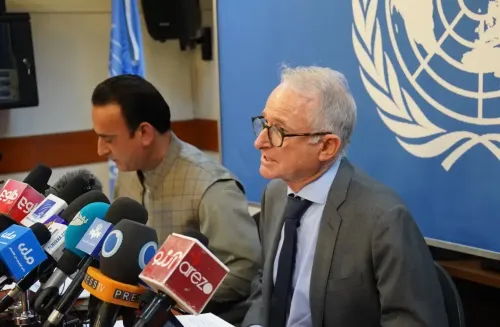
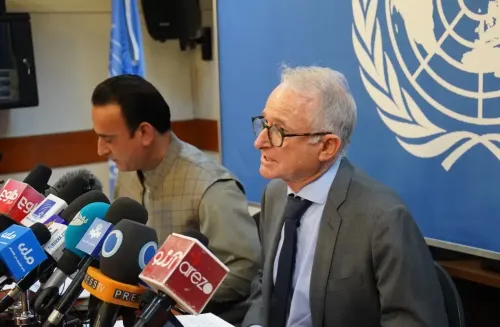
UN Special Rapporteur on human rights in Afghanistan, Richard Bennett, on Friday, 22 May, reiterated his call for a full and independent investigation into Pakistan's airstrike on the Omid Drug Rehabilitation Hospital in Kabul, which killed at least 269 civilians on 16 March 2026. Bennett's renewed demand came in direct response to a statement posted on X by the United Nations Assistance Mission in Afghanistan (UNAMA), which published updated figures on cross-border civilian casualties.
What Bennett Said
In a post on X, Bennett wrote: “The 16/3 attack by Pakistan at Omid Drug Rehab Hospital Kabul where UNAMA verified 269-plus civilians killed demands a full, independent investigation. Deliberate attacks on civilians or civ objects may amount to war crimes. I also urge Taliban to ensure safety of patients in such facilities.”
The statement marks the second time Bennett has publicly pressed for accountability over the strike, underscoring growing international concern that no independent inquiry has been initiated more than two months after the incident.
Scale of the Kabul Strike
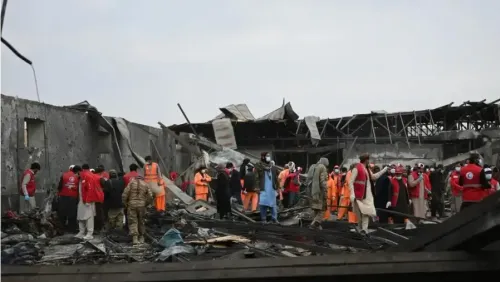
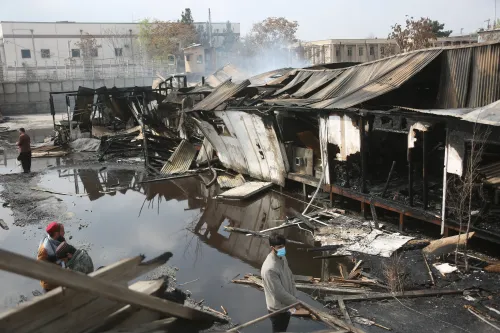
According to UNAMA's cross-border civilian casualties update covering January–March 2026, three Pakistani airstrikes hit the Omid Drug Rehabilitation Hospital at the conclusion of tarawih evening prayers on 16 March, when numerous patients were leaving the mosque. The strikes killed at least 269 people—all male—and injured a further 122, including one woman. The vast majority of victims were patients receiving treatment for drug dependency.
UNAMA noted that its findings were based on a site visit and discussions with eyewitnesses, lending the casualty count a higher degree of verification than many conflict-zone figures.
Broader Civilian Toll of Cross-Border Violence
The UNAMA update, released on 12 May, documented at least 372 Afghan civilians killed and 397 injured between 1 January and 31 March 2026 due to cross-border violence between the Pakistani military and Afghan forces. The Human Rights Service of UNAMA recorded over 750 civilian deaths and injuries in total from cross-border armed violence during the same period.
The majority of casualties were concentrated in February and March, after Pakistan announced the launch of Operation Ghazab lil-Haq on 26 February. More than half of all casualties in the period are attributed to the 16 March hospital strikes alone.
Among the total civilian casualties, UNAMA recorded 72 women, 554 men, 48 girls, and 95 boys. Notably, women and children had comprised over half of recorded casualties prior to the Omid Hospital strike; because the facility housed only male patients, that demographic breakdown shifted significantly after 16 March.
How the Casualties Were Caused
Airstrikes accounted for 64 per cent of civilian casualties, while cross-border firing—including mortars and artillery—caused 34 per cent, according to the UNAMA report. The findings point to a sustained and escalating pattern of aerial bombardment rather than isolated incidents.
What Comes Next
Neither Pakistan nor the Taliban administration has publicly committed to an independent investigation. Bennett's call, backed by verified UNAMA data, increases pressure on the international community to formally demand accountability. Human rights organisations are expected to cite the UNAMA figures in upcoming UN Human Rights Council sessions. The absence of a credible inquiry mechanism in Taliban-controlled Afghanistan remains a significant structural obstacle to justice for victims and their families.
Point of View
Yet no independent investigation has been announced. Pakistan's framing of Operation Ghazab lil-Haq as a counter-terrorism operation does not, under international humanitarian law, exempt it from the obligation to distinguish between combatants and civilians—particularly when striking a hospital. The fact that over half of a quarter's civilian toll traces to a single facility, hit at prayer time, raises questions about targeting procedures that neither Islamabad nor the Taliban have answered. Bennett's repeated calls, now supported by granular UNAMA data, make continued silence increasingly untenable for both parties—and for the UN Security Council members who have yet to formally respond.
NationPress
24 Sept 2026
Frequently Asked Questions
What happened at Omid Drug Rehabilitation Hospital in Kabul on 16 March 2026?
Pakistani military airstrikes hit the Omid Drug Rehabilitation Hospital in Kabul on 16 March 2026, killing at least 269 people and injuring 122 others. UNAMA confirmed the toll through a site visit and eyewitness accounts; the strikes occurred as patients were leaving the mosque after tarawih evening prayers.
Who is Richard Bennett and why is he calling for an investigation?
Richard Bennett is the UN Special Rapporteur on the situation of human rights in Afghanistan. He has called for a full, independent investigation because UNAMA verified over 269 civilian deaths in the strike, and he stated that deliberate attacks on civilians or civilian objects may amount to war crimes under international law.
How many Afghan civilians were killed by cross-border violence in early 2026?
UNAMA documented at least 372 Afghan civilians killed and 397 injured between 1 January and 31 March 2026 due to cross-border violence. The Human Rights Service of UNAMA recorded over 750 total civilian deaths and injuries from cross-border armed violence in the same period.
What is Operation Ghazab lil-Haq?
Operation Ghazab lil-Haq is a military operation announced by Pakistan on 26 February 2026. According to UNAMA, the majority of cross-border civilian casualties in Afghanistan in early 2026—including those from the 16 March hospital strike—occurred after the operation was launched.
Has Pakistan or the Taliban agreed to an independent investigation?
As of 22 May 2026, neither Pakistan nor the Taliban administration has publicly committed to an independent investigation into the Omid Hospital strike or the broader pattern of cross-border civilian casualties documented by UNAMA.