UNAMA Urges Immediate Ceasefire Following Fatal Airstrike on Kabul Hospital by Pakistan
Synopsis
The UNAMA has called for a ceasefire after Pakistan's airstrike on a Kabul rehabilitation hospital killed over 400 individuals. The humanitarian crisis intensifies as recovery efforts commence amid escalating tensions between Afghanistan and Pakistan.
Key Takeaways
UNAMA calls for ceasefire: Urgent need for de-escalation after airstrike.
Fatalities exceed 400: Many individuals were seeking medical assistance.
Violation of international law: Attacks on medical facilities are prohibited.
Afghan authorities' response: Strong retaliation warned against Pakistan.
Ongoing humanitarian crisis: Recovery efforts amidst rising tensions.
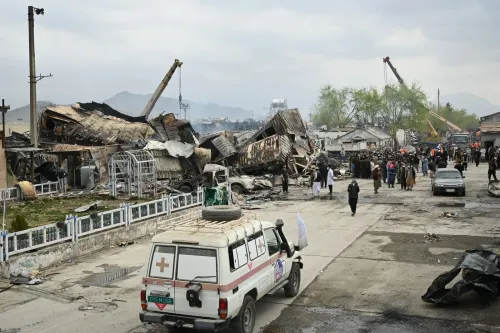
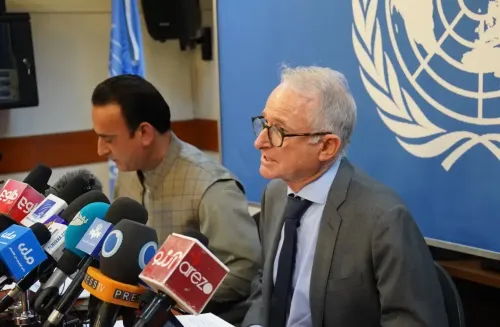
Kabul, March 17 (NationPress) The United Nations Assistance Mission in Afghanistan (UNAMA) has urgently called for a de-escalation and an immediate ceasefire after the devastating airstrike by Pakistani forces on a rehabilitation hospital in Kabul, which tragically claimed the lives of over 400 individuals seeking medical treatment and recovery.
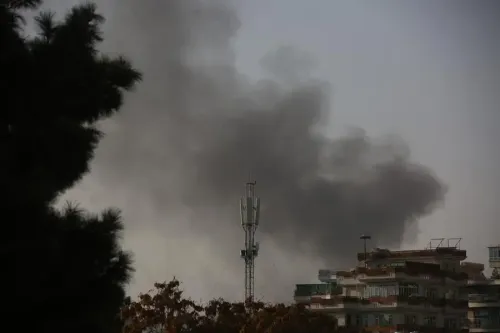
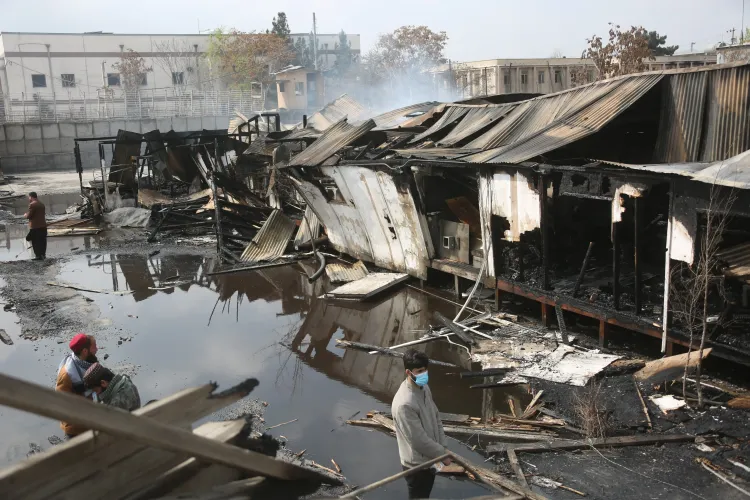
In a statement expressing grave concern, UNAMA revealed that the airstrike, conducted by the Pakistan military on Monday night, targeted the Omid Addiction Treatment Hospital, a facility dedicated to helping those battling drug addiction. This assault resulted in numerous casualties and left many others injured.
UNAMA extended its heartfelt condolences to the grieving families of the victims and wished a swift recovery to the injured.
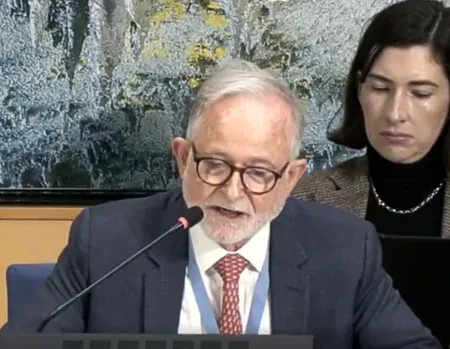
“International law mandates that all parties involved in a conflict must respect and protect the sick and injured, medical personnel, hospitals, and ambulances. Attacks on healthcare facilities and civilian infrastructure are unequivocally prohibited,” stated UNAMA.
The mission highlighted that civilians across Afghanistan continue to suffer due to the ongoing strife between Afghanistan and Pakistan. Since February 26, prior to the incident on March 16, UNAMA has documented at least 76 civilian deaths and 213 injuries in Afghanistan attributable to the conflict.
UNAMA emphasized the critical need for all parties to uphold their responsibilities under international law to safeguard civilians.
On Tuesday, Afghanistan's Ministry of Interior spokesperson Abdul Matin Qane warned of a “teeth-breaking response” to the lethal airstrikes executed by Pakistan in Kabul.
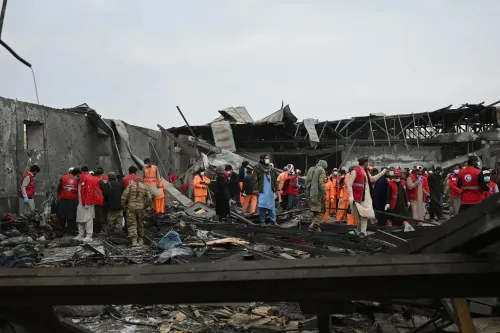
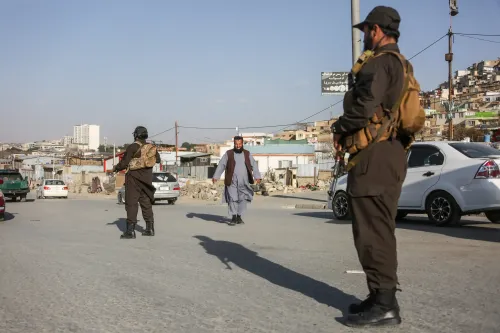
Recovery operations were underway Tuesday, with emergency teams diligently searching for bodies amid the rubble, as reported by Ariana News.
Qane characterized Pakistan's recent attack as a significant escalation and cautioned of a forthcoming response, stating, “Such assaults cannot go unanswered,” reiterating that Afghan authorities perceive the airstrike as a violation of Afghanistan's sovereignty, according to Ariana News.
This incident signifies a sharp rise in tensions between Afghanistan and Pakistan in recent weeks, marked by airstrikes, artillery exchanges, and mutual accusations.
Point of View
The tragic airstrike highlights the urgent need for dialogue and de-escalation between Afghanistan and Pakistan. The loss of civilian lives in such incidents underscores the importance of adhering to international humanitarian law and the protection of vulnerable populations in conflict zones.
NationPress
21 Sept 2026
Frequently Asked Questions
What was the impact of the airstrike on the hospital?
The airstrike on the Omid Addiction Treatment Hospital in Kabul resulted in over 400 fatalities and numerous injuries among individuals seeking medical care.
What does UNAMA say about international law?
UNAMA emphasizes that international law requires all parties in a conflict to protect medical personnel and facilities, prohibiting attacks on hospitals and civilian properties.
How has Afghanistan responded to the airstrike?
Afghanistan's Ministry of Interior has warned of a strong retaliatory response to the airstrikes, considering it a significant escalation and a violation of its sovereignty.
What are the ongoing effects of the conflict?
Civilians in Afghanistan continue to suffer from the ongoing conflict, with UNAMA reporting at least 76 civilian deaths and 213 injuries since late February due to hostilities.
What are the next steps for recovery efforts?
Recovery efforts are underway, with emergency teams searching for victims under the rubble of the hospital.