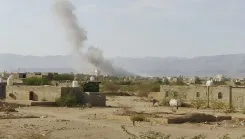
372 Afghan civilians killed in Pakistan-Afghanistan conflict, Jan–Mar 2026: UNAMA
Synopsis
A UN report has put a precise and damning number on the Pakistan-Afghanistan border conflict: 372 civilians killed and 397 injured in just three months. The single deadliest moment — a Pakistani airstrike on a Kabul drug rehabilitation hospital during tarawih prayers — killed 269 patients in one night, accounting for over half of all casualties documented in the period.
Key Takeaways
372 Afghan civilians were killed and 397 injured between 1 January and 31 March 2026 , per UNAMA .
The 16 March airstrike on Omid Drug Rehabilitation Hospital in Kabul killed at least 269 people and injured 122 — the single deadliest incident.
Airstrikes caused 64% of all civilian casualties; cross-border mortar and artillery fire caused 34% .
Most casualties followed Pakistan's launch of Operation Ghazab lil-Haq on 26 February 2026 .
Over 94,000 people were displaced in border areas as of 1 April 2026 .
UNAMA recommended Pakistan comply with international humanitarian law principles of precaution, distinction, and proportionality.
At least 372 Afghan civilians were killed and 397 others injured between 1 January and 31 March 2026 due to cross-border violence between the Pakistani military and Afghan forces, according to a report released by the United Nations Assistance Mission in Afghanistan (UNAMA) on Tuesday, 12 May. The findings mark one of the most documented civilian toll assessments of the ongoing border conflict.
Scale of Casualties
UNAMA's Human Rights Service documented over 750 civilian deaths and injuries in total — comprising 372 killed and 397 wounded. Among the casualties were 72 women, 554 men, 48 girls, and 95 boys. Airstrikes accounted for 64 per cent of all civilian casualties, while cross-border firing — including mortars and artillery — was responsible for the remaining 34 per cent.
The March 16 Kabul Hospital Strike
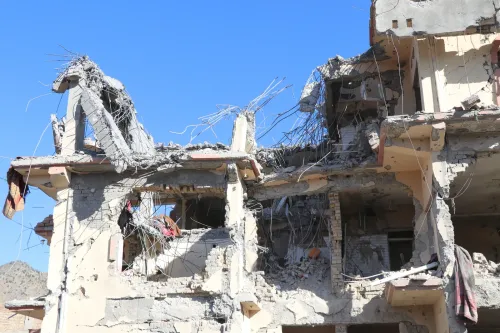
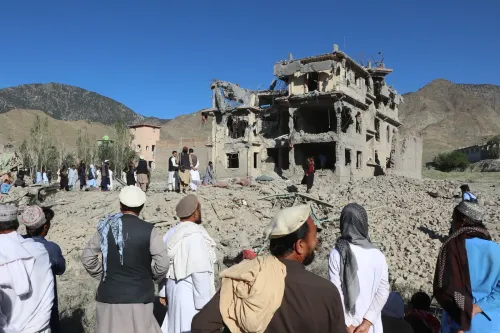
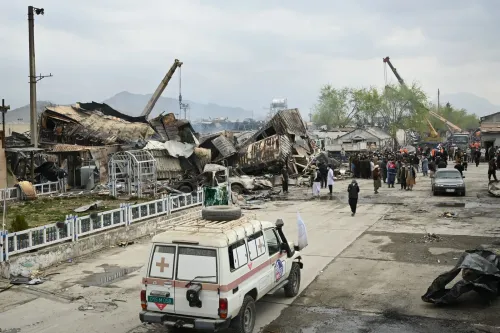
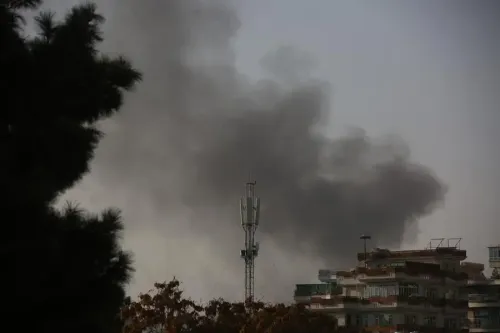
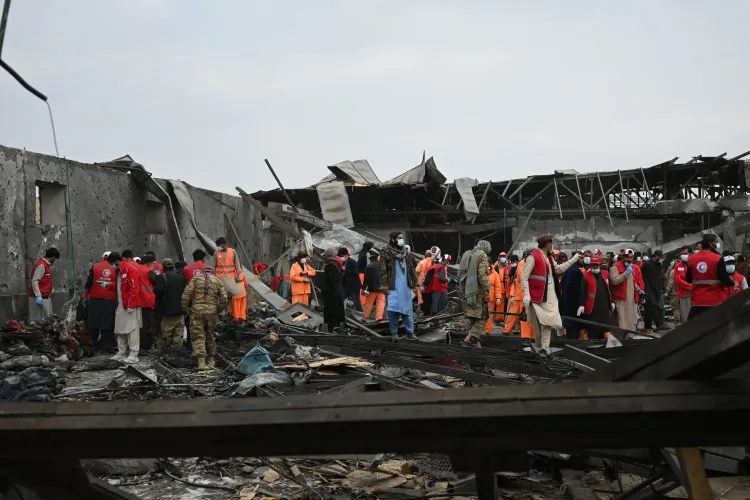
The single deadliest incident documented in the report was the 16 March airstrike on the Omid Drug Rehabilitation Hospital in Kabul city, carried out at approximately 8:50 pm IST. According to UNAMA, three airstrikes struck the facility — a treatment centre for drug-affected individuals — killing at least 269 people (all male) and injuring a further 122, including one woman. The report noted that the vast majority of those killed and injured were patients of the hospital. Notably, the strikes occurred at the conclusion of tarawih evening prayers, when numerous patients were leaving the mosque on the premises. Over half of all civilian casualties recorded in the January–March period are attributed to this single incident.
Operation Ghazab and the Broader Conflict
Most civilian casualties were concentrated after Pakistan announced the launch of Operation Ghazab lil-Haq on 26 February 2026. The majority of deaths and injuries occurred during February and March, coinciding with the intensification of aerial operations. A temporary pause in hostilities was jointly announced by Afghanistan and Pakistan on 18 March, though the ceasefire's durability has not been confirmed in subsequent reports.
Displacement and Infrastructure Damage
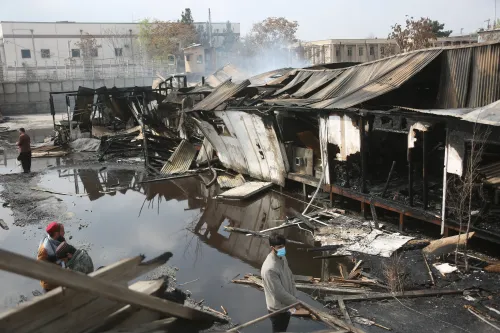
As of 1 April 2026, over 94,000 people had been displaced in border-adjacent areas due to the ongoing conflict. Numerous houses, schools, and private businesses were also reportedly destroyed, compounding the humanitarian toll beyond casualties alone. This displacement adds to an already fragile situation in Afghanistan, where years of conflict have strained civilian infrastructure.
UN Recommendations
The UNAMA report formally recommended that the Government of Pakistan
Point of View
Granular accounting of civilian harm in a conflict that has largely escaped sustained international attention. The March 16 hospital strike — occurring during tarawih prayers, at a facility treating drug patients — raises serious questions about target selection and proportionality under international humanitarian law. Pakistan has not publicly detailed its justification for the strike. The temporary ceasefire announced on March 18 has done little to resolve the structural tension: Afghanistan's Taliban-led forces and Pakistan's military remain locked in a border dynamic that has historically been managed through informal channels, not formal accountability. With 94,000 displaced and civilian infrastructure destroyed, the humanitarian cost is outpacing the diplomatic response.
NationPress
23 Sept 2026
Frequently Asked Questions
How many Afghan civilians were killed in the Pakistan-Afghanistan conflict between January and March 2026?
At least 372 Afghan civilians were killed and 397 others injured between 1 January and 31 March 2026, according to a UNAMA report released on 12 May. The total civilian casualty figure, combining deaths and injuries, exceeded 750.
What was the deadliest single incident in the conflict during this period?
The deadliest incident was the 16 March 2026 Pakistani military airstrike on the Omid Drug Rehabilitation Hospital in Kabul, which killed at least 269 people and injured 122 others. The strikes hit the facility at the end of tarawih evening prayers, when patients were leaving the mosque.
What is Operation Ghazab lil-Haq?
Operation Ghazab lil-Haq is a military operation announced by Pakistan on 26 February 2026. The majority of civilian casualties documented by UNAMA in the January–March period occurred after the operation's launch, with most deaths tied to airstrikes in February and March.
How many people were displaced due to the conflict?
As of 1 April 2026, over 94,000 people had been displaced in border-adjacent areas of Afghanistan due to the ongoing cross-border conflict. Numerous homes, schools, and private businesses were also reported destroyed.
What did the UN recommend in its report?
UNAMA recommended that the Government of Pakistan ensure compliance with international humanitarian law, specifically the principles of precaution, distinction, and proportionality, to protect civilians from harm in future military operations.