HRW demands war crimes probe into Pakistan's strikes in Afghanistan
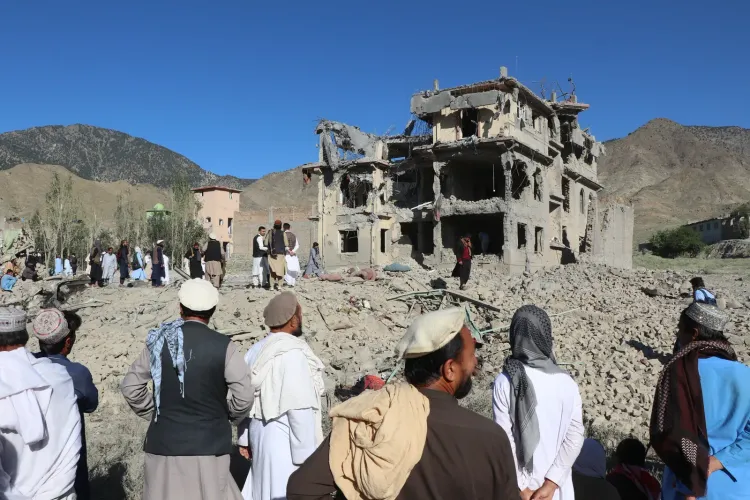
Synopsis
Human Rights Watch has labelled Pakistan's March strike on a Kabul drug rehabilitation centre — which killed at least 269 patients — 'unlawfully indiscriminate,' and is now demanding a formal war crimes investigation. With UNAMA data showing over 750 Afghan civilian casualties from Pakistani cross-border strikes in just the first quarter of 2026, the accountability pressure on Islamabad is reaching a critical threshold.
Key Takeaways
Human Rights Watch (HRW) called on 16 July for an impartial investigation into possible war crimes stemming from Pakistan's strikes in Afghanistan .
According to UNAMA , Pakistani cross-border attacks killed and injured over 750 Afghan civilians in the first three months of 2026 .
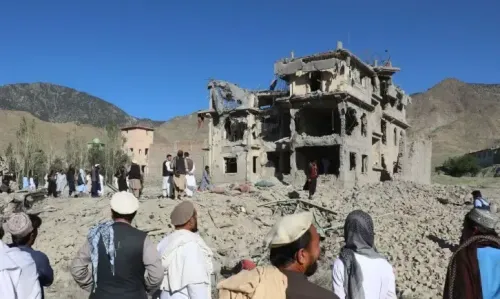
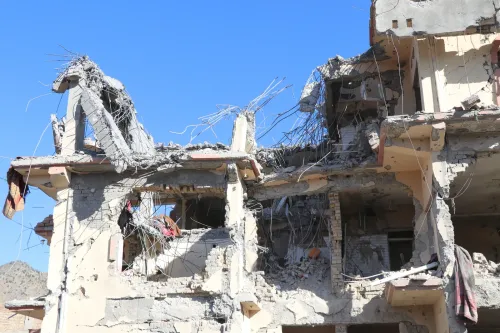
A 16 March airstrike on the Omid Drug Rehabilitation Centre in Kabul killed at least 269 civilians and injured more than 122 , mostly patients; HRW found no evidence of military use.
Pakistani airstrikes in Kunar province on 27 April killed 7 and wounded 79 , including 13 women and 39 children .
Mortar attacks and shelling have forced the closure of 19 health facilities , worsening an already acute humanitarian crisis.
Pakistan has maintained the strikes targeted militants behind attacks on its security forces but has provided no operational details.
Human Rights Watch (HRW), the New York-based international advocacy organisation, has called for an impartial investigation into possible war crimes following Pakistan's recent military strikes in Afghanistan, citing grave concern over mounting civilian casualties. The call came on 16 July amid mounting documentation of deaths and injuries across multiple Afghan provinces.
What HRW Is Demanding
The rights body stated that while civilian casualties alone do not constitute conclusive proof of laws-of-war violations, persistent reports of civilian deaths make independent probes of 'possible war crimes by either attacking or defending forces' urgently necessary.
'International humanitarian law requires warring parties to take all feasible precautions to minimise civilian harm. Attacking forces must at all times distinguish between civilians and civilian objects on the one hand, and combatants and military objectives on the other, and only target the latter,' HRW stated.
The organisation further noted that defending forces are equally obligated to protect civilians under their control, including by avoiding the placement of military objectives near densely populated areas. 'Violations by one side do not relieve the other of its own obligations,' it added.
Scale of Civilian Casualties
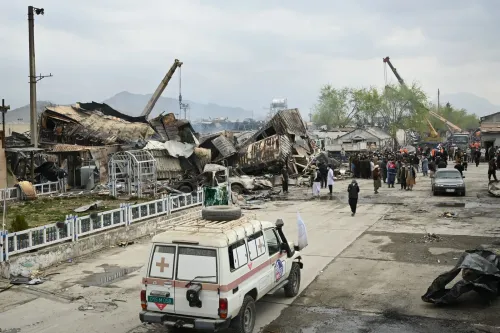
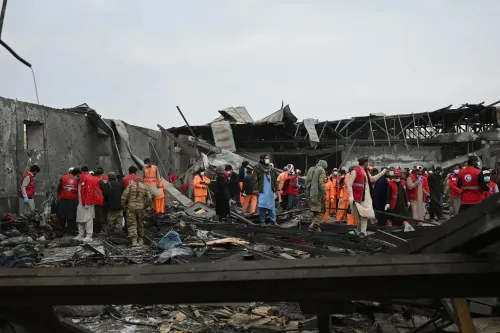
Last month, Pakistani airstrikes across three provinces in eastern Afghanistan reportedly killed and injured several civilians, including women and children. Pakistani authorities maintained that the strikes targeted militants responsible for attacks on Pakistani security personnel in Karachi days earlier, but provided no operational details, according to reports.
Citing the United Nations Assistance Mission in Afghanistan (UNAMA), HRW reported that in the first three months of 2026, cross-border attacks by Pakistani forces killed and injured over 750 Afghan civilians, the majority from airstrikes in eastern and southern Afghanistan.
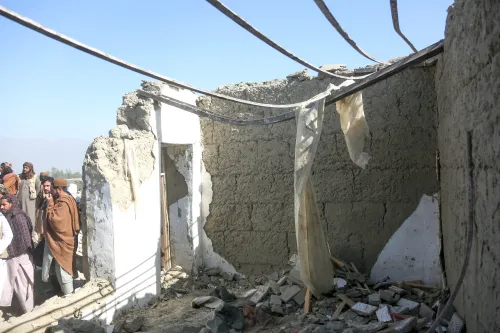
An earlier UNAMA report documented that Pakistani airstrikes in Afghanistan's Kunar province on 27 April killed 7 civilians and wounded 79, including 13 women and 39 children. One Afghan resident quoted by HRW described the personal toll: 'My daughter, Nila, who is 4 years old, was injured — she has lost her fingers. My brother, Ahmad, who was 11, was killed. I have lost my home, and my daughter has a permanent disability. This is the new reality of our life now.'
The Kabul Rehabilitation Centre Strike
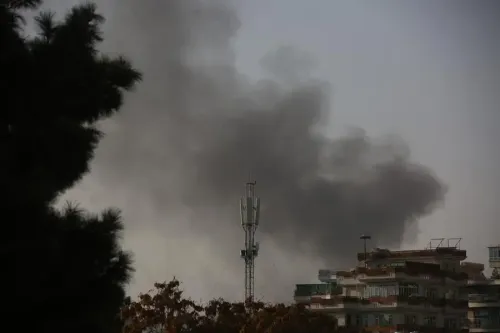
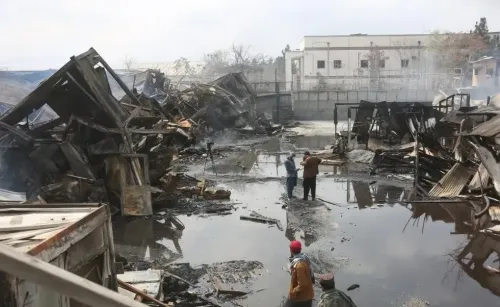
Among the incidents drawing the sharpest scrutiny is the 16 March airstrike by Pakistani forces on the Omid Drug Rehabilitation Centre in Kabul, which killed at least 269 civilians and injured more than 122, most of them patients undergoing treatment. HRW said its own investigation found no evidence that the centre was being used for any military purpose, characterising the attack as 'unlawfully indiscriminate.'
Humanitarian Fallout
Beyond direct strike casualties, HRW reported that mortar attacks and shelling by Pakistani forces have forced the closure of 19 health facilities. The organisation noted that an already severe humanitarian crisis in the affected areas has been compounded by Pakistan's forced return of Afghan refugees to the same conflict zones — a development critics argue amounts to a double burden on a civilian population with nowhere to turn.
With UNAMA data pointing to a sustained pattern of cross-border strikes and HRW pressing for formal accountability mechanisms, international pressure on Islamabad to provide transparency over its operations in Afghanistan is expected to intensify.
Point of View
Where 269 patients died and investigators found zero evidence of military use, is the kind of documented case that typically forms the core of formal war crimes referrals. Pakistan's silence on operational details is itself telling: in the absence of a credible military justification, the 'unlawfully indiscriminate' finding is difficult to rebut. What is often missed in the bilateral framing of Pakistan-Afghanistan tensions is the compounding effect: forced refugee returns into active strike zones mean Islamabad is, critics argue, simultaneously creating and abandoning the very civilian population it claims to be protecting from militants.
NationPress
15 Oct 2026
Frequently Asked Questions
Why is Human Rights Watch calling for a war crimes investigation into Pakistan?
HRW is calling for an independent probe because Pakistani airstrikes in Afghanistan have, according to UNAMA data, killed and injured over 750 Afghan civilians in the first three months of 2026 alone. The organisation found no evidence that the targeted sites — including a Kabul drug rehabilitation centre where 269 patients died — were being used for military purposes, leading it to characterise the attack as 'unlawfully indiscriminate.'
What happened at the Omid Drug Rehabilitation Centre in Kabul?
On 16 March, a Pakistani airstrike hit the Omid Drug Rehabilitation Centre in Kabul, killing at least 269 civilians and injuring more than 122, most of them patients. HRW's investigation found no evidence the centre was used for any military purpose and described the strike as 'unlawfully indiscriminate.'
What does Pakistan say about the strikes in Afghanistan?
Pakistani authorities have maintained that the strikes targeted militants responsible for attacks on Pakistani security personnel in Karachi. However, according to reports, Pakistan has not provided any operational detail about the strikes to substantiate this claim.
How many Afghan civilians have been affected by Pakistani cross-border strikes in 2026?
According to UNAMA data cited by HRW, Pakistani cross-border attacks killed and injured over 750 Afghan civilians in the first three months of 2026, primarily from airstrikes in eastern and southern Afghanistan. A separate April 27 strike in Kunar province killed 7 and wounded 79, including 39 children.
What is international humanitarian law's requirement in such conflicts?
International humanitarian law requires all warring parties to distinguish at all times between civilians and combatants, and to take all feasible precautions to minimise civilian harm. As HRW noted, violations by one side do not relieve the other of its own obligations under these laws.