India at UN: Pakistan killed 750 Afghan civilians in 3 months, hit Kabul hospital
Synopsis
India used a UN Security Council debate on civilian protection to present UNAMA data showing Pakistan killed or injured 750 Afghan civilians in three months — including 269 in a single airstrike on a Kabul drug rehabilitation hospital during Ramadan. The evidence-backed rebuke, delivered as Pakistan raised Kashmir, marks a sharp escalation in India's multilateral confrontation strategy.
Key Takeaways
India's Permanent Representative P.
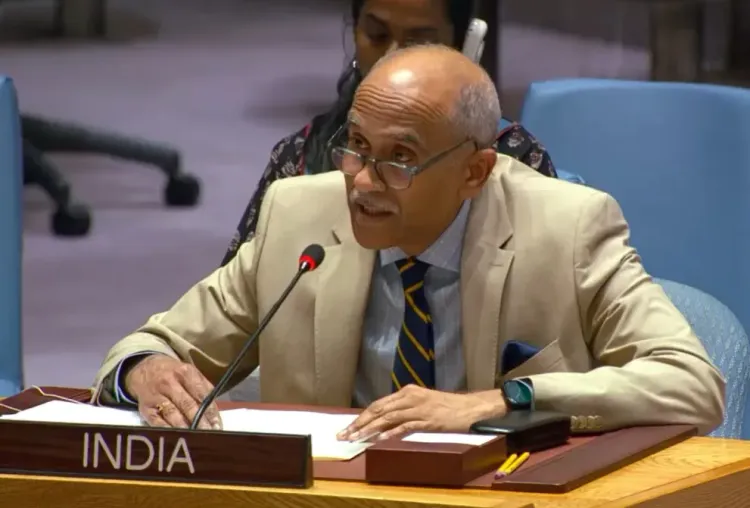
Harish cited UNAMA data at the UN Security Council on 21 May 2026 documenting 750 Afghan civilian deaths and injuries from Pakistani military strikes in the first three months of 2026.
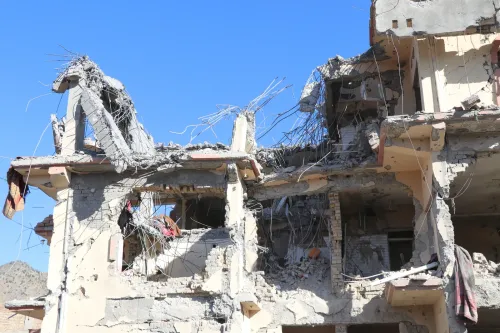
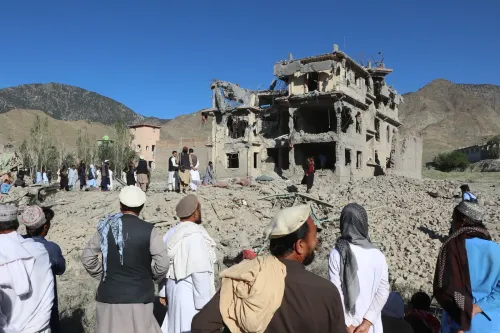
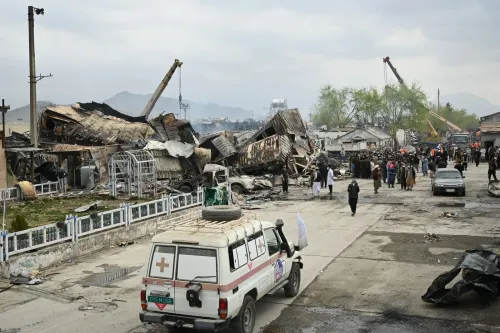
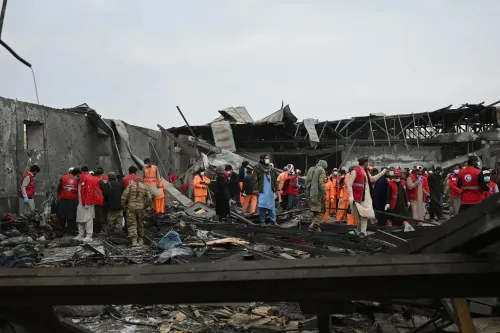
A Pakistani airstrike on the Omid Addiction Treatment Hospital in Kabul during Ramadan (March 2026) killed 269 civilians and injured 122 more, according to UNAMA.
The strikes occurred as patients were leaving the mosque after tarawih evening prayers , per the UNAMA report.
Among the victims documented in the UNAMA report were 72 women , 48 girls , and 95 boys .
Over 94,000 people reportedly became refugees due to Pakistan's cross-border violence against Afghan civilians.
India invoked Pakistan's conduct during Operation Searchlight in 1971 , citing the genocide committed during Bangladesh's freedom struggle.
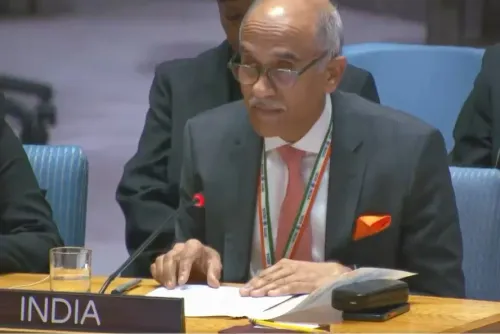
India's Permanent Representative P. Harish confronted Pakistan at the United Nations Security Council on 21 May 2026, citing a UNAMA report that documented 750 civilian deaths and injuries in Afghanistan in the first three months of 2026 as a direct result of cross-border armed violence by Pakistani military forces, the majority caused by air strikes. The remarks came during an open debate on 'Protection of civilians in armed conflict', convened under China's presidency of the Council.
The UNAMA Findings
Harish quoted extensively from the UNAMA Human Rights Service report titled 'Cross-border civilian casualties in Afghanistan', released on 10 May 2026. The report recorded Pakistan's attacks across Afghanistan in the first quarter of 2026, noting that among the victims were 72 women, 48 girls, and 95 boys. The report further underscored that international humanitarian law explicitly prohibits attacks on civilians and civilian facilities, and mandates that parties to any conflict 'must at all times distinguish between civilians and combatants.'
The Kabul Hospital Strike
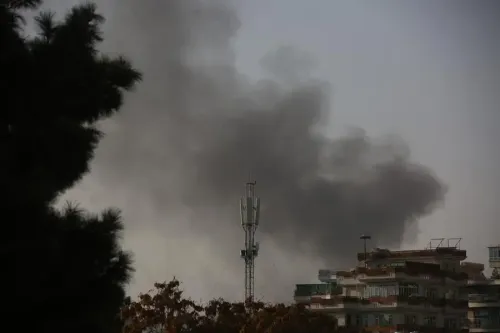
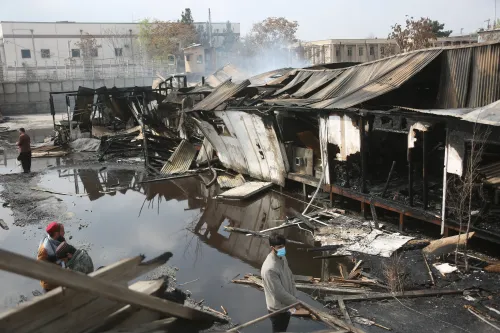
The most damning allegation centred on a Pakistani airstrike on the Omid Addiction Treatment Hospital in Kabul during Ramadan in March 2026. According to UNAMA, the strike claimed the lives of 269 civilians and injured a further 122. Harish noted that the air strikes occurred 'at the conclusion of tarawih evening prayers, when numerous patients were leaving the masjid' — a detail drawn directly from the UNAMA report. He described the attack as a strike on a facility that 'can by no means be justified as a military target.'
India's Rebuke of Pakistan's UN Address
Harish's remarks were a direct response to Pakistan's Permanent Representative Asim Iftikhar Ahmad, who had raised the issue of Kashmir during the debate. Harish dismissed the move as a deflection, stating: 'It is ironic that Pakistan, with its long-tainted record of genocidal acts, has chosen to refer to issues that are strictly internal to India.' He added: 'It is hypocritical to espouse high principles of international law while targeting innocent civilians in the dark.' Summing up India's position, he said: 'With no faith, no law, and no morality, the world can see through Pakistan's propaganda.'
Historical Context Invoked
Harish also drew a line from Pakistan's current conduct to its historical record, referencing Operation Searchlight in 1971, during which he said Pakistan 'sanctioned the systematic campaign of genocidal mass rape of 400,000 women citizens by its own army' — alluding to atrocities committed during Bangladesh's freedom struggle. He argued that 'such inhuman conduct reflects Pakistan's repeated attempts over decades to externalise internal failures through increasingly desperate acts of violence both within and beyond its borders.' Over 94,000 people reportedly became refugees as a result of Pakistan's cross-border violence against Afghan civilians, according to the figures Harish cited.
What Comes Next
The UNAMA report's findings place fresh pressure on the international community to hold Pakistan accountable for cross-border strikes. India's intervention at the Security Council signals a broader diplomatic strategy of confronting Pakistan on multilateral platforms with documented evidence rather than bilateral assertions. Whether the Council takes any formal action remains to be seen, but the public record — and the UNAMA data underpinning it — now forms part of the official UN debate.
Point of View
Making it far harder to dismiss as political posturing. The timing, during a debate Pakistan's ally China was presiding over, amplified the diplomatic signal. What mainstream coverage risks underplaying is the scale: 750 casualties in 90 days from a single country's cross-border strikes is not a skirmish — it is a sustained military campaign against a civilian population. The 1971 invocation was deliberate: India is building a pattern-of-conduct argument, not just reacting to Kashmir deflections.
NationPress
25 Sept 2026
Frequently Asked Questions
What did India say about Pakistan at the UN Security Council?
India's Permanent Representative P. Harish cited a UNAMA report at the UN Security Council on 21 May 2026 documenting 750 Afghan civilian deaths and injuries caused by Pakistani military strikes in the first three months of 2026. He called Pakistan's simultaneous invocation of international law 'hypocritical' and said the world could 'see through Pakistan's propaganda.'
What is the UNAMA report on Pakistan's cross-border strikes?
The UNAMA Human Rights Service report titled 'Cross-border civilian casualties in Afghanistan', released on 10 May 2026, documented Pakistani military attacks across Afghanistan in Q1 2026. It recorded 750 civilian deaths and injuries, including 72 women, 48 girls, and 95 boys among the victims, and noted that the strikes violated international humanitarian law.
What happened at the Omid Addiction Treatment Hospital in Kabul?
According to UNAMA, Pakistan conducted an airstrike on the Omid Addiction Treatment Hospital in Kabul during Ramadan in March 2026, killing 269 civilians and injuring 122 more. The strike occurred as patients were leaving the mosque after tarawih evening prayers, and the facility had no justification as a military target under international humanitarian law.
Why did India bring up 1971 and Operation Searchlight at the UN?
India's representative invoked Operation Searchlight in 1971 to establish a historical pattern of conduct, arguing that Pakistan's current attacks on Afghan civilians reflect decades of externalising internal failures through violence. He cited the genocide committed during Bangladesh's freedom struggle as evidence of Pakistan's 'long-tainted record of genocidal acts.'
How did Pakistan respond, and why did it raise Kashmir?
Pakistan's Permanent Representative Asim Iftikhar Ahmad raised the issue of Kashmir during the UN debate on civilian protection in armed conflict. India's representative dismissed this as deflection, calling it 'ironic' that Pakistan — facing documented evidence of civilian killings in Afghanistan — chose to raise issues 'strictly internal to India.'