India at UNSC: Pakistan's Afghanistan strikes 'hypocrisy', 372 killed
Synopsis
India used the UN Security Council to deliver one of its sharpest diplomatic rebukes of Pakistan in recent memory — calling Islamabad's air strikes on Afghanistan during Ramadan 'the perfect example of hypocrisy' and flatly rejecting Pakistan's counter-terrorism framing. With a UN report documenting 372 Afghan deaths, including 269 at a Kabul hospital, India's statement is a direct challenge to Pakistan's standing at the multilateral table.
Key Takeaways
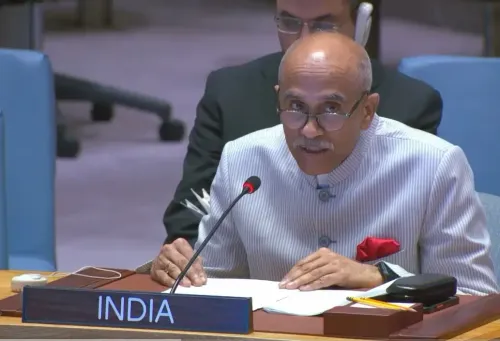
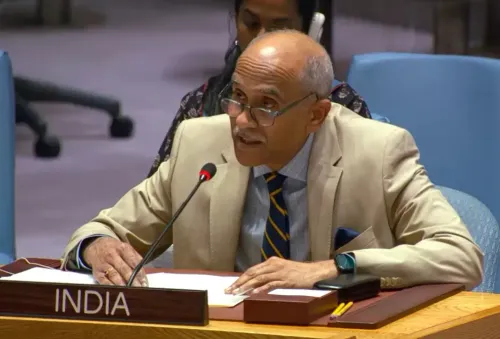
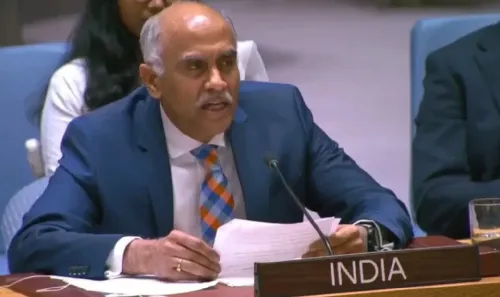
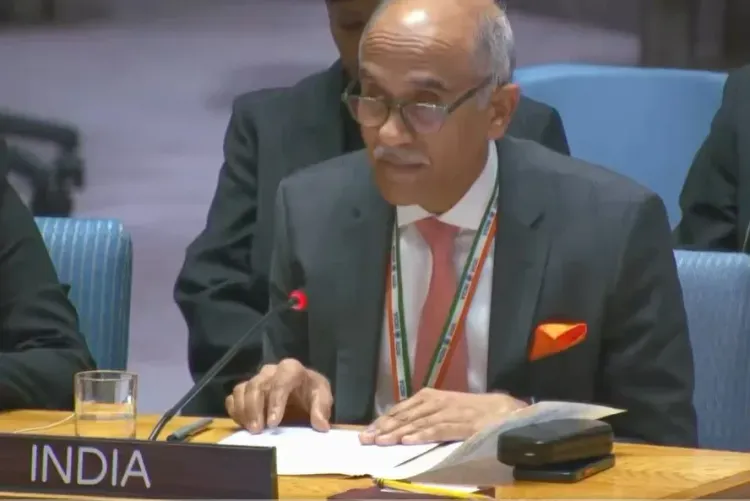
India's Permanent Representative P Harish condemned Pakistan's air strikes on Afghanistan at the UN Security Council on 9 June .
The UN Secretary-General's report recorded 372 Afghans killed and 392 injured between 26 January and 31 March , mostly from air strikes.
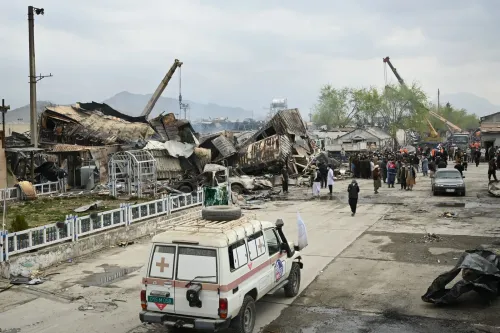
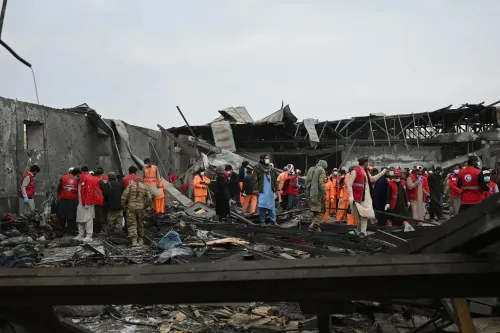
A strike on the Omid Drug Rehabilitation Hospital in Kabul on 16 March killed at least 269 people and injured 122 .
India called Pakistan's conduct during Ramadan “the perfect example of hypocrisy” and rejected the counter-terrorism justification.
Pakistan's envoy Asim Iftikhar Ahmed questioned UNAMA's credibility; India reaffirmed full support for the mission and its mandate.
India backed calls for an independent investigation to ensure accountability and uphold victims' rights.
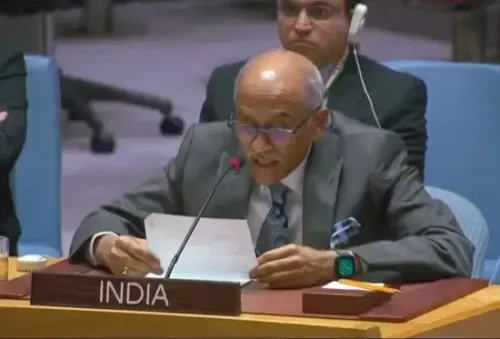
India's Permanent Representative P Harish on Monday, 9 June delivered a sharp rebuke of Pakistan at the UN Security Council, defending both Afghanistan and the UN Assistance Mission in Afghanistan (UNAMA) after Islamabad questioned the mission's credibility and framed its cross-border air strikes as counter-terrorism operations. India called Pakistan's conduct “unconscioable” and a “perfect example of hypocrisy.”
What India Said at the Security Council
“Support for multilateralism and the United Nations is not an ala carte menu,” Harish told the Council during a session on the situation in Afghanistan. He stressed that Pakistan's air strikes on Afghan territory during the holy month of Ramadan — while simultaneously “espousing high principles of international law and Islamic solidarity” — laid bare a fundamental contradiction in Islamabad's posture.
Harish was unequivocal on Pakistan's framing of the attacks: “Dressing up a massacre as a military operation does not absolve the perpetrator. Killing, maiming and orphaning civilians is not counter terrorism.”
The Civilian Toll: What the UN Report Found
The UN Secretary-General Antonio Guterres' report, which Pakistan sought to discredit, documented that 372 Afghans were killed and 392 injured between 26 January and 31 March. The majority of casualties were attributed to air strikes, with additional deaths from cross-border firing and targeted killings.
Among the incidents cited was a strike on the Omid Drug Rehabilitation Hospital in Kabul on 16 March, which killed at least 269 people and injured 122 — most of them patients. India reiterated the Secretary-General's “deep concern” at the civilian casualties and backed his call for full compliance with international humanitarian law.
Pakistan's Defence and India's Counter
Pakistan's Permanent Representative Asim Iftikhar Ahmed alleged that the Secretary-General's report “externalised responsibility” for Afghanistan's situation, and raised “serious questions” about UNAMA's credibility and its engagement with the Taliban. He characterised Pakistan's military actions as legitimate counter-terrorism operations.
India rejected this framing outright. Harish called on the Council to support UNAMA's earlier demand for an independent investigation “to ensure accountability, prevent recurrence and uphold victims' rights.”
India's Support for UNAMA and International Law
“India would like to emphasise the importance of UNAMA and its mandate and underline our full support to UNAMA in these challenging times as it endeavours to promote peace and stability in Afghanistan,” Harish said. New Delhi also backed the Secretary-General's call urging all parties to honour their obligations under international law, including protections for civilian populations.
This is not the first time India has used the Security Council to challenge Pakistan's conduct toward its neighbours. The statement signals New Delhi's continued effort to build a multilateral record against Islamabad's cross-border military actions, even as the Council remains divided on Afghanistan policy. The next UNAMA reporting cycle and any formal accountability mechanism will be closely watched.
Point of View
Mostly patients — and labelling Pakistan's Ramadan-timing 'hypocrisy,' New Delhi is building an evidentiary multilateral record, not just scoring rhetorical points. The more significant move is India's unqualified defence of UNAMA at a moment when Pakistan is actively trying to delegitimise the mission's reporting. If that effort succeeds, it removes the only independent documentation of civilian harm — which is precisely why India's pushback matters beyond the bilateral dimension.
NationPress
22 Sept 2026
Frequently Asked Questions
What did India say about Pakistan at the UN Security Council on 9 June?
India's Permanent Representative P Harish condemned Pakistan's air strikes on Afghanistan as 'the perfect example of hypocrisy,' rejected Islamabad's counter-terrorism justification, and called the killing of civilians 'not counter terrorism.' India also defended UNAMA's credibility against Pakistan's attempts to discredit the mission's reporting.
How many civilians were killed in Pakistan's strikes on Afghanistan?
According to the UN Secretary-General's report, 372 Afghans were killed and 392 injured between 26 January and 31 March, with most casualties from air strikes. A single strike on the Omid Drug Rehabilitation Hospital in Kabul on 16 March killed at least 269 people and injured 122, mostly patients.
Why did Pakistan question the UN report on Afghanistan?
Pakistan's Permanent Representative Asim Iftikhar Ahmed alleged that the Secretary-General's report externalised responsibility for Afghanistan's situation and raised what he called 'serious questions' about UNAMA's credibility and its engagement with the Taliban. Pakistan characterised its military actions as counter-terrorism operations.
What is UNAMA and why is it significant in this context?
UNAMA, the UN Assistance Mission in Afghanistan, is the primary UN body monitoring the humanitarian and security situation in Afghanistan. Its reports documenting civilian casualties are central to international accountability efforts; Pakistan's attempt to discredit UNAMA's findings prompted India's strong defence of the mission at the Security Council.
What did India call for regarding accountability?
India supported UNAMA's earlier calls for an independent investigation to ensure accountability, prevent recurrence, and uphold the rights of victims. It also backed the UN Secretary-General's call for all parties to comply with international law, including international humanitarian law protecting civilians.