India Critiques Pakistan's Air Strikes on Afghanistan During Ramadan, Highlights Hypocrisy
Synopsis
India has condemned Pakistan's air strikes on Afghanistan during Ramadan, calling out the hypocrisy of attacking civilians while promoting 'Islamic solidarity'. The situation escalates with rising casualties and economic consequences for Afghanistan.
Key Takeaways
India condemns air strikes by Pakistan during Ramadan.
185 civilian casualties reported, mostly women and children.
Pakistan's justification involves claims of terrorism.
Economic instability in Afghanistan worsens due to border closures.
International cooperation is essential to combat terrorism.
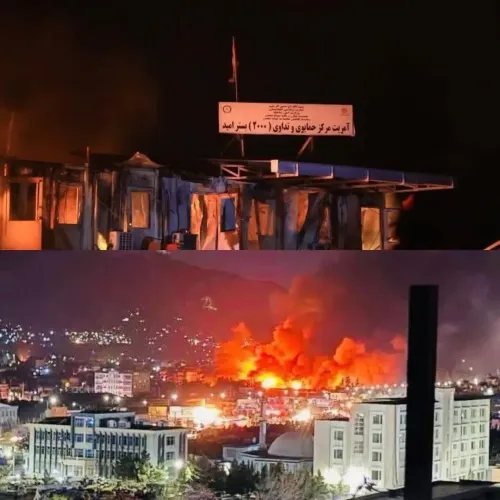
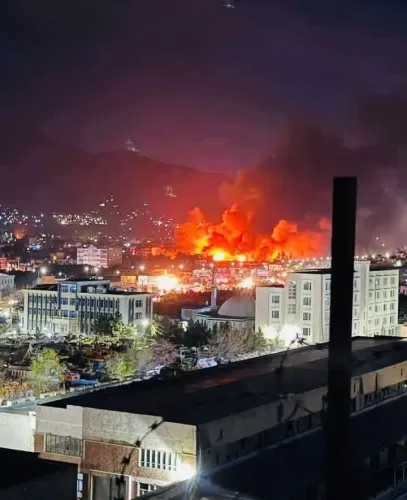
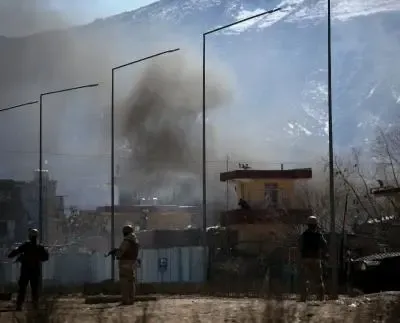
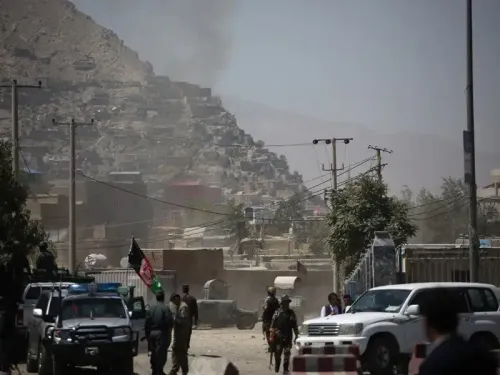
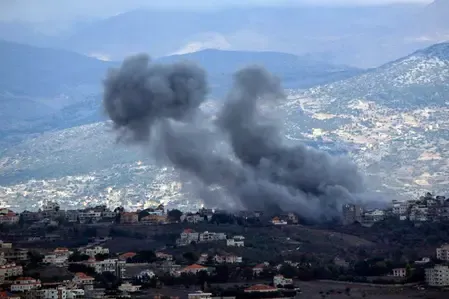
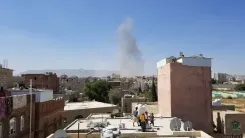
United Nations, March 10 (NationPress) India has expressed strong disapproval of Pakistan's air assaults on Afghanistan, highlighting the inconsistency of such actions during the sacred month of Ramadan, which primarily affects women and children, while Pakistan preaches about “Islamic solidarity”.
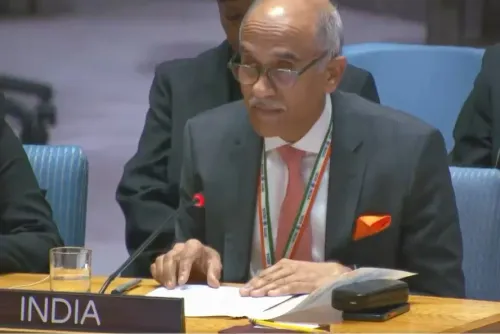
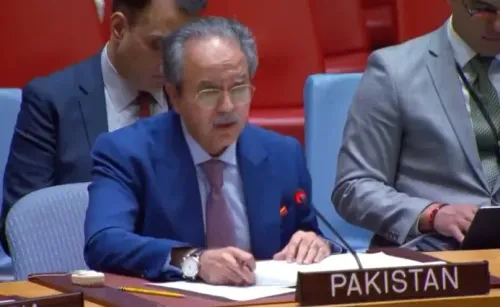
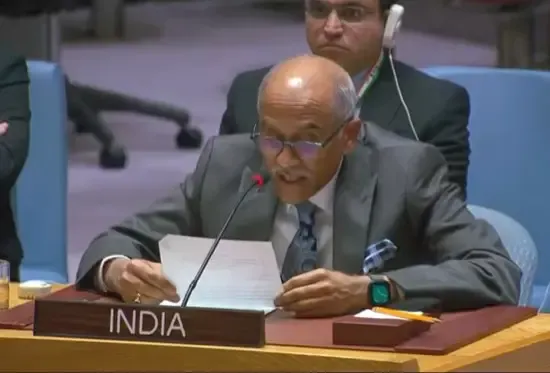
“It is utterly hypocritical to advocate for lofty principles of international law and Islamic unity while simultaneously executing brutal air strikes during Ramadan,” stated India’s Permanent Representative, P Harish, during a Security Council session on Monday.
As of March 6, 2026, these assaults have resulted in the deaths of 185 innocent civilians, with approximately 55% being women and children,” he noted.
“India categorically condemns the airstrikes on Afghan soil, which represent blatant violations of international law, the UN Charter, and the principle of state sovereignty,” he added.
While addressing the Council on Afghanistan, Harish refrained from directly naming Pakistan, but his remarks were undeniably aimed at them.
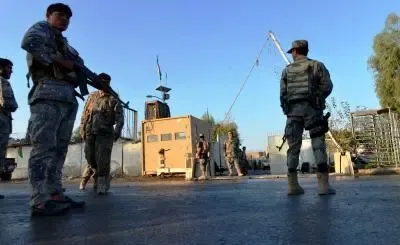
Pakistan has justified its attacks by claiming that Afghanistan harbors terrorists.
However, Harish pointed out that it is actually Islamabad that has been employing terrorist factions as proxies to launch attacks against neighboring countries.
“Terrorism is a pervasive threat that affects humanity at large, and only through cohesive efforts from the international community can we ensure that groups like ISIL [Islamic State] and Al Qaida, along with their affiliates such as Lashkar-e-Tayyiba and Jaish-e-Mohammed, as well as proxies like The Resistance Front, cease their cross-border terrorism,” he stated.
In a recent tragic incident, the Resistance Front executed a religiously motivated terrorist attack in Pahalgam in April, resulting in the loss of 26 lives.
Georgette Gagnon, the Deputy Special Representative for Afghanistan, remarked, “The ongoing conflict with Pakistan has inflicted severe human and economic tolls.”
She noted that with Pakistan closing its border to Afghanistan, the only remaining trade route is through Iran, which has been disrupted by the ongoing war, leading to rising prices for essential goods and further straining Afghanistan’s already fragile economy.
“Instability along both of Afghanistan's longest borders undermines the nation's stability,” she added.
Point of View
It is crucial to highlight India's condemnation of Pakistan's air attacks on Afghanistan, particularly during Ramadan. The focus should remain on the humanitarian implications, the hypocrisy involved, and the broader geopolitical consequences of such actions.
NationPress
19 Sept 2026
Frequently Asked Questions
What did India condemn?
India condemned Pakistan's air strikes on Afghanistan, particularly during the month of Ramadan, citing the hypocrisy in attacking civilians while promoting Islamic solidarity.
What is the impact of these air strikes?
The air strikes have resulted in significant civilian casualties, with 185 reported deaths, predominantly affecting women and children.
What does India claim about Pakistan's actions?
India claims that Pakistan is using terrorist groups as proxies to conduct attacks against neighboring countries rather than addressing the issue of terrorism itself.
How has the conflict affected Afghanistan's economy?
The ongoing conflict has disrupted trade routes and led to rising prices for basic commodities, stressing Afghanistan's already fragile economy.
What was the recent attack mentioned?
A recent attack by the Resistance Front in Pahalgam resulted in the deaths of 26 individuals, highlighting the ongoing violence in the region.