India at UN slams Pakistan for sheltering 9/11 al-Qaida masterminds
Synopsis
Twenty-five years after 9/11, India used the UN Security Council's Afghanistan debate to deliver its most pointed indictment yet of Pakistan's terror record — naming five al-Qaida masterminds, each found living not in remote caves but in Pakistani cities, and drawing a direct line from those sheltered architects of 9/11 to groups that have attacked India. The message: the same swamp that produced 9/11 is still operational.
Key Takeaways
India's UN Permanent Representative P.
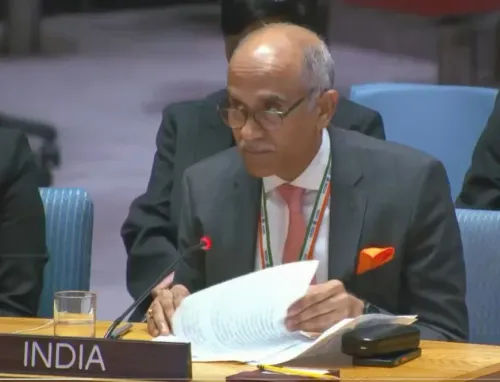
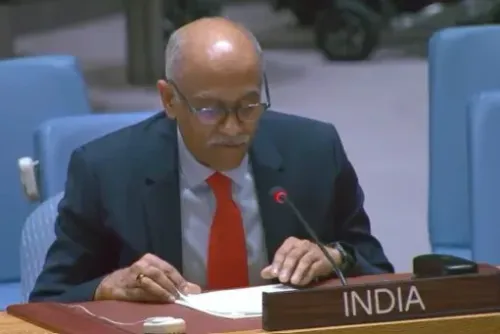
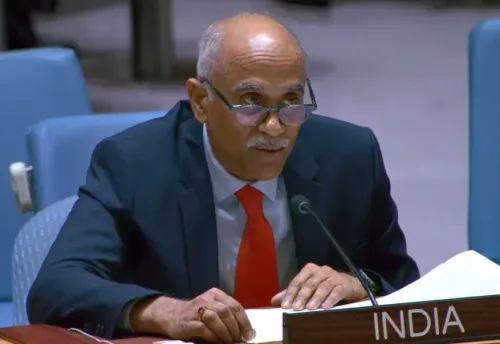
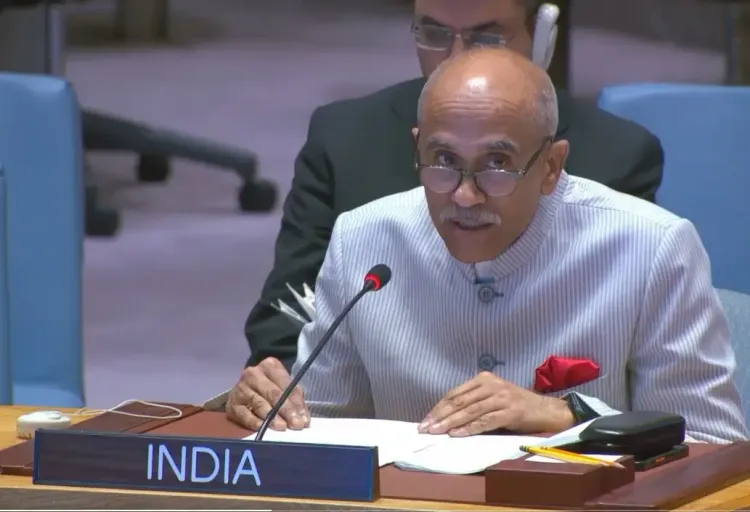
Harish condemned Pakistan at the Security Council on 17 September , on the 25th anniversary of the 9/11 attacks .
Five senior al-Qaida leaders — including Osama bin Laden (Abbottabad), Khalid Sheikh Mohammed (Rawalpindi), and Ramzi Binalshibh (Karachi) — were found living in Pakistani cities, not remote frontiers.
India linked Pakistan's 'permissive environment' to ongoing support for Lashkar-e-Taiba and Jaish-e-Mohammed , which continue to evade UN sanctions under new identities.
Lashkar-e-Taiba carried out the Mumbai attacks in 2008 ; its proxy The Resistance Front claimed the Pahalgam tourist attack in 2025 .
India called on the international community to drain the 'swamp' of terror sanctuaries and ensure accountability for states that shelter such groups.
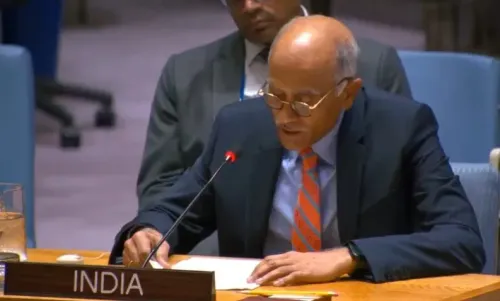
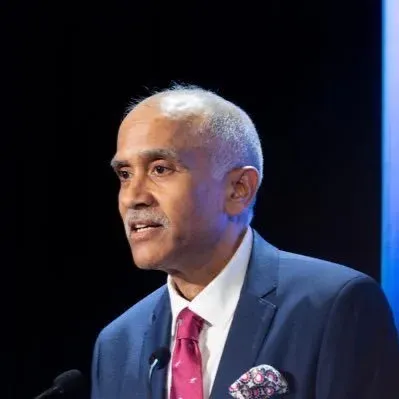
India has delivered a sharp rebuke to Pakistan at the United Nations Security Council, condemning Islamabad's role in harbouring the architects of the September 11, 2001 terror attacks — the deadliest on US soil — as world leaders marked 25 years since the tragedy. Speaking on 17 September at the Council's meeting on the situation in Afghanistan, India's Permanent Representative P. Harish invoked the memory of thousands of victims to demand accountability for those who 'aid, abet, finance and support' terrorism.
The Diplomatic Charge
P. Harish stopped short of naming Pakistan directly — a customary diplomatic restraint — but systematically listed senior al-Qaida leaders behind the 9/11 attacks who were subsequently found living under Pakistani protection. The implicit accusation was unmistakable. Recalling the Security Council's recent visit to the 9/11 memorial, Harish said, 'May the memory of these victims always remain a motivation to not only fight against all such individuals who are the worst of humanity, but also those who aid, abet, finance and support their crimes.'
Where the 9/11 Masterminds Were Found
Harish's statement enumerated five key terror leaders discovered living in Pakistan, not in remote ungoverned badlands, but in established Pakistani cities:
Osama bin Laden, who ordered and financed the plot, was tracked to a fortified compound in Abbottabad and killed by US Navy SEALs in Operation Neptune Spear in 2011. Khalid Sheikh Mohammed, the principal architect of the attacks, was found at a house in Rawalpindi by the Central Intelligence Agency (CIA) in 2003. Ramzi Binalshibh, who coordinated the four hijacking teams and was dubbed the '20th hijacker' after being denied a US visa, was captured sheltering in Karachi in 2002. Walid bin Attash, who helped select and prepare several hijackers, was arrested in Karachi in 2003. Mustafa Ahmed al-Hawsawi, who managed the finances and logistics of the operation, was discovered in Rawalpindi in 2003.
Harish pointedly noted that these men 'were not fugitives hiding in caves or badlands; they were men who had long evaded detection' — in the heart of Pakistani cities.
The Pakistan–al-Qaida Axis and Links to India
India's statement drew a direct line between Pakistan's tolerance of al-Qaida's 'strategic depth' and ongoing terror threats against India itself. 'The same permissive environment that sheltered the architects of 9/11 has, in the years since, continued to provide space, support, and impunity to affiliates of al-Qaida such as Lashkar-e-Taiba and Jaish-e-Mohammed and their like,' Harish said. He noted these groups continue to operate under different identities to evade Security Council sanctions, with their terror training infrastructure functioning with impunity.
The reference carries specific weight: Lashkar-e-Taiba carried out the Mumbai attacks of 2008, and its proxy, The Resistance Front, claimed responsibility for the religiously targeted attack on tourists in Pahalgam in 2025.
The Call to Action
Harish urged the international community to act decisively against such sanctuaries. 'Draining this swamp that provided an enabling environment for such monsters of humankind to prosper is important,' he said, calling for concrete steps to 'ensure that more such individuals are not thrust upon any country or its citizens and no one loses family and loved ones.' The statement signals India's intent to keep Pakistan's terror record firmly on the multilateral agenda, particularly as the Security Council continues its oversight of Afghanistan's evolving security landscape.
With the 25th anniversary of 9/11 lending fresh moral weight to these arguments, New Delhi's intervention at the Council marks one of its most pointed public indictments of Islamabad's terror links in a formal UN forum.
Point of View
Yet forensically damning in its specifics. Listing five 9/11 masterminds by name and Pakistani city of capture is not diplomacy; it is a prosecution brief. What is notable is the timing: on the 25th anniversary of 9/11, with global attention on Afghanistan's Taliban-run sanctuary economy, New Delhi is pressing the Security Council to connect historical Pakistani complicity with present-day threat groups targeting India. The broader question mainstream coverage underplays is whether this rhetorical pressure will translate into concrete Council action — given that Pakistan's patrons on the Council, particularly China, have historically blocked or diluted sanctions against groups like Jaish-e-Mohammed. India is building a public record, even if the Security Council itself remains gridlocked.
NationPress
17 Sept 2026
Frequently Asked Questions
What did India say about Pakistan at the UN Security Council on 17 September 2026?
India's Permanent Representative P. Harish accused Pakistan of sheltering key al-Qaida leaders behind the 9/11 attacks, naming five senior terrorists — including Osama bin Laden and Khalid Sheikh Mohammed — who were found living in Pakistani cities. He called for international action against states that provide sanctuaries to terrorist groups.
Which 9/11 al-Qaida leaders were found in Pakistan?
Five senior leaders were identified: Osama bin Laden (Abbottabad, 2011), Khalid Sheikh Mohammed (Rawalpindi, 2003), Ramzi Binalshibh (Karachi, 2002), Walid bin Attash (Karachi, 2003), and Mustafa Ahmed al-Hawsawi (Rawalpindi, 2003). All were discovered in established Pakistani urban centres, not remote borderlands.
How did India connect Pakistan's 9/11 links to attacks on India?
P. Harish argued that the same environment that sheltered 9/11's architects has since provided 'space, support, and impunity' to groups like Lashkar-e-Taiba and Jaish-e-Mohammed. Lashkar-e-Taiba carried out the 2008 Mumbai attacks, and its proxy The Resistance Front claimed the 2025 Pahalgam tourist attack.
Why did India raise this issue at the UN Afghanistan meeting?
The Security Council meeting was focused on the situation in Afghanistan, where al-Qaida established its original base. India used the forum to argue that Pakistan's role as a strategic rear base for al-Qaida — beyond Afghanistan — is central to any honest assessment of the region's terror ecosystem, and to press for accountability on the 25th anniversary of 9/11.
What action is India demanding from the international community?
India urged the Security Council to act against 'continued existence of such sanctuaries' and called for 'draining the swamp' that enables terror groups to operate with impunity. Harish specifically noted that groups like Lashkar-e-Taiba and Jaish-e-Mohammed continue to evade UN sanctions by operating under different identities.