US urged to press Pakistan over Afghan civilian deaths in airstrikes
Synopsis
Pakistan's airstrikes in Afghanistan last week killed at least 13 civilians — including children from a single family in Khost — yet drew little international response. A US policy report is now calling on Washington to break that silence and use its deepening leverage over Islamabad to demand evidence, accountability, and an end to strikes that treat Afghan villages as legitimate targets.
Key Takeaways
Pakistan carried out fresh airstrikes in Afghanistan last week, killing at least 13 civilians and injuring 10 , according to UNAMA .
Islamabad claimed the strikes killed 26 TTP fighters — a claim that has not been independently verified.
A Khost resident reported that one family lost seven children aged between 3 and 15 in the strikes.
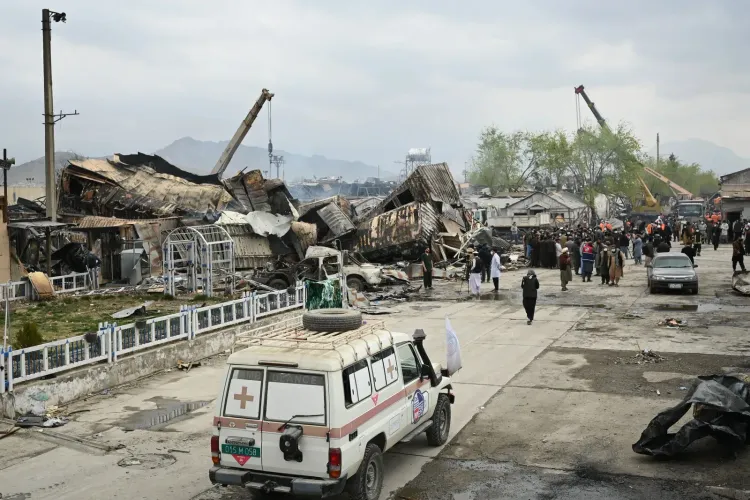
In March , Pakistani strikes on the Omid drug rehabilitation centre in Kabul killed at least 143 people , per the UN .
The Responsible Statecraft report urges the US to press Pakistan for evidence, back an independent investigation, and reject counterterrorism as a pretext for civilian strikes.
The United States should deploy its diplomatic leverage over Pakistan to secure accountability for cross-border airstrikes in Afghanistan that have killed civilians, including children, according to a report published by US-based online magazine Responsible Statecraft. The call comes after Pakistan carried out fresh strikes in Afghanistan last week, ending a month of relative calm.
What the Airstrikes Killed
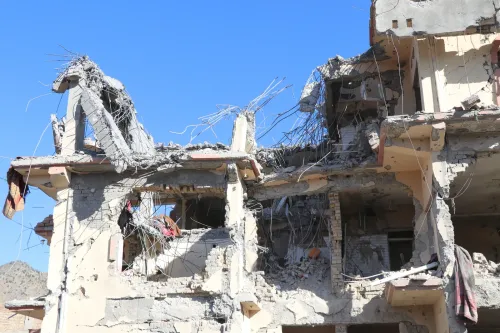
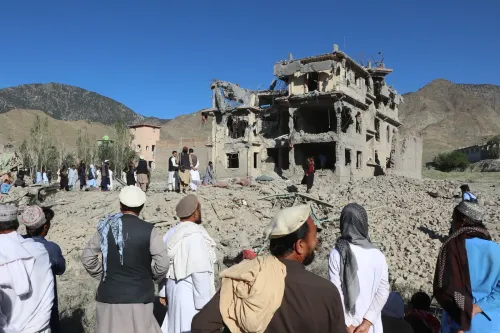
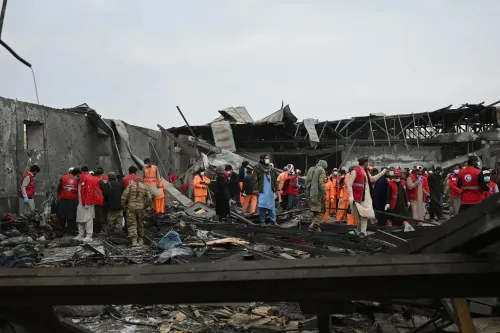
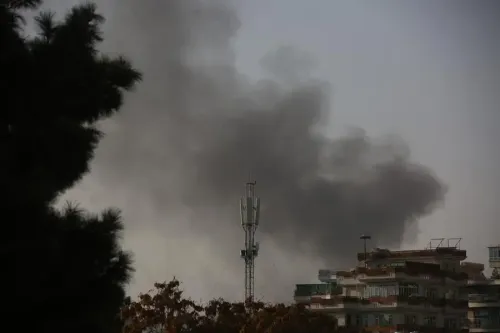
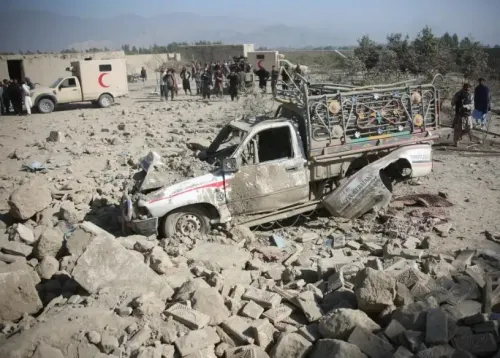
According to the United Nations Assistance Mission in Afghanistan (UNAMA), the strikes killed at least 13 civilians and injured 10 others. Islamabad confirmed the strikes, asserting they targeted militant hideouts and killed 26 fighters linked to the Tehrik-i-Taliban Pakistan (TTP) — claims that have not been independently verified.
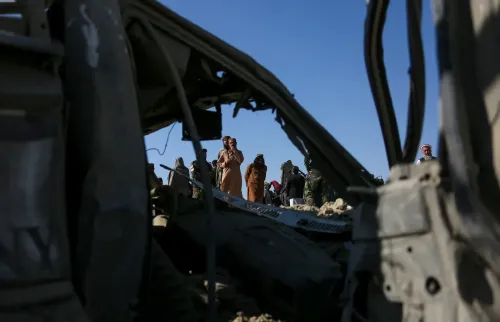
Haji Hafizullah, a resident of Khost province, described spending the night after the strikes pulling bodies from rubble alongside his son and fellow villagers. 'One of the families lost seven children. They were between three and 15 years old. A woman and a man from the same family were also killed. They were all sleeping. They had no link to any group. They were not fighters. They were poor people, simple people,' he said.
Pattern of Strikes With No Accountability
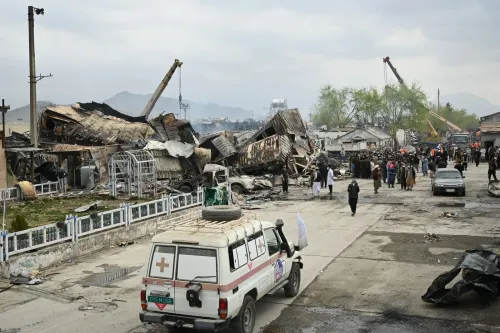
The Responsible Statecraft report stressed this is not an isolated incident. In March, Pakistani strikes hit the Omid drug rehabilitation centre in Kabul, where, according to the United Nations, at least 143 people were killed. Despite the scale of that attack, it drew little condemnation or sustained attention from the international community, including the United States.
The report noted that Washington has developed closer ties with Pakistan during President Donald Trump's second term, which critics argue has reduced pressure on Islamabad to justify its cross-border military actions.
Residents Demand the World Bear Witness
Esmatullah, another Khost resident, challenged Pakistan's stated rationale directly. 'Pakistan says it is fighting terrorists; then why did we bury children today? If these children were terrorists, show us their guns. Show us their crime. Their only crime was that they were Afghan, poor, and sleeping near a border Pakistan thinks it can bomb whenever it wants,' he said.
He also appealed to the global community to stop treating Afghan deaths as 'background noise': 'We are not asking the world to fight for us; we are asking the world to say the truth. A child and a mother killed in Khost or Paktika is still a child and a mother. If there are truly human rights and if they really mean something, they must mean something for Afghan people too.'
What the Report Recommends
The Responsible Statecraft report outlined three specific demands for Washington: press Islamabad to provide verifiable evidence supporting its claims of targeting militant hideouts; support an independent investigation into the reported civilian deaths; and make unambiguous that counterterrorism cooperation cannot serve as a pretext for strikes that kill Afghan civilians in Khost, Kunar, or Paktika provinces.
The report concluded that Pakistan's frustration with the Taliban or the TTP does not entitle it to target villagers, and that counterterrorism operations cannot become a 'licence to kill poor families.' With US-Pakistan ties deepening, the pressure on Washington to take a public stance is only likely to grow.
Point of View
Claims TTP targets, offers no evidence, and the world moves on. The March attack on a drug rehabilitation centre in Kabul — where 143 people died — should have been a turning point; it was not. Washington's silence is not neutral — it is enabling. With US-Pakistan ties warming under the Trump administration, the US holds real leverage, and choosing not to use it on civilian protection is itself a policy choice. The question is not whether Afghanistan's civilians deserve accountability; it is whether the international system is willing to extend that principle beyond geopolitically convenient victims.
NationPress
19 Sept 2026
Frequently Asked Questions
How many civilians were killed in Pakistan's latest airstrikes in Afghanistan?
According to the United Nations Assistance Mission in Afghanistan (UNAMA), Pakistan's most recent airstrikes in Afghanistan killed at least 13 civilians and injured 10 others. Pakistan claimed the strikes targeted TTP militant hideouts and killed 26 fighters, but those claims have not been independently verified.
Which Afghan provinces were targeted in the Pakistani airstrikes?
The strikes affected Afghanistan's Khost, Kunar, and Paktika provinces, according to the Responsible Statecraft report. Eyewitness accounts from Khost describe entire families, including young children, killed while sleeping.
What happened at the Omid rehabilitation centre in Kabul?
In March, Pakistani airstrikes hit the Omid drug rehabilitation centre in Kabul, killing at least 143 people according to the United Nations. The attack drew little international condemnation, a pattern the Responsible Statecraft report describes as deeply troubling.
What is the US being asked to do about Pakistan's strikes in Afghanistan?
The Responsible Statecraft report calls on Washington to press Islamabad to provide verifiable evidence of militant targets, support an independent investigation into civilian deaths, and make clear that counterterrorism cooperation cannot justify strikes that kill Afghan civilians.
How have US-Pakistan relations affected the Afghanistan situation?
The report notes that the United States has developed closer ties with Pakistan during President Donald Trump's second term, which critics argue has reduced international pressure on Islamabad to justify or moderate its cross-border military actions in Afghanistan.