CM Hemant Soren recalls grandfather's murder, warns of divisive forces
Synopsis
Jharkhand Chief Minister Hemant Soren publicly mourned his grandfather Sobran Manjhi, a schoolteacher murdered in then-Hazaribagh district, warning that divisive forces persist in new forms and calling social solidarity the only lasting solution.
Key Takeaways
Sobran Manjhi , Hemant Soren's late grandfather, was a schoolteacher in the Ramgarh area when it was part of Hazaribagh district .
He was murdered 'ruthlessly in the darkness of the night' by anti-social elements — an event that predates Soren's birth.
Soren drew a direct parallel between his grandfather's killing and what he calls the continued presence of divisive forces in contemporary India.
He contrasted India's lunar ambitions with the ongoing targeting of 'ordinary citizens, the elderly, women, and youth' in cities and villages.
The Chief Minister prescribed social solidarity and mutual respect as the only permanent answer to such forces.
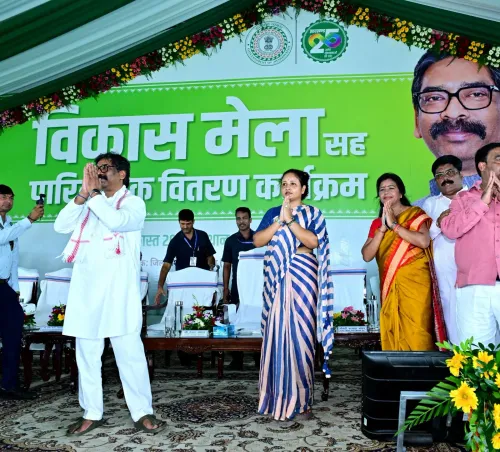
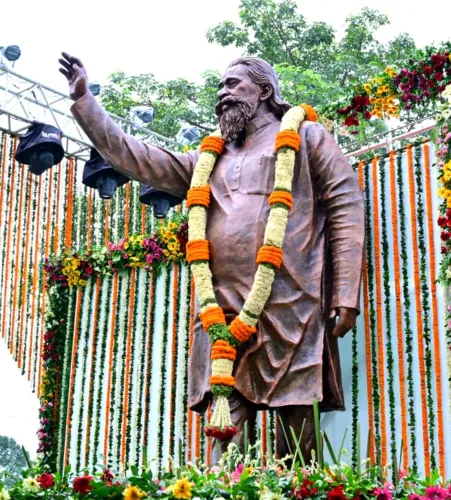
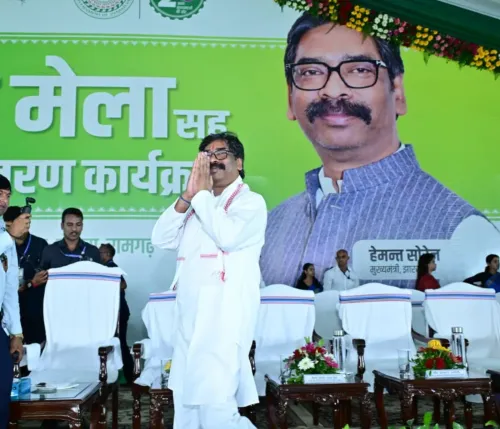
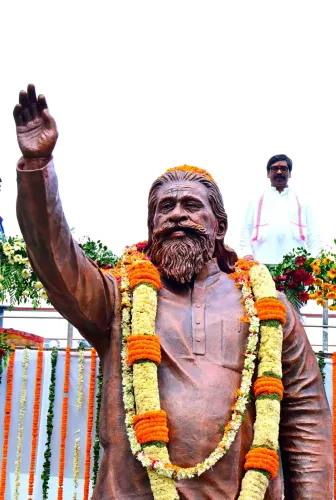
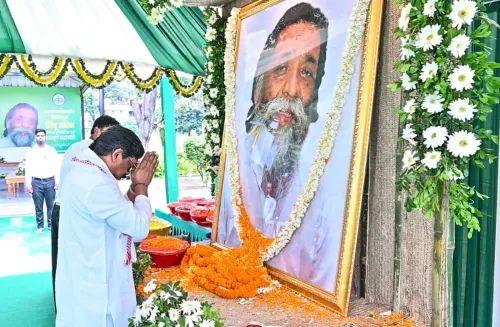
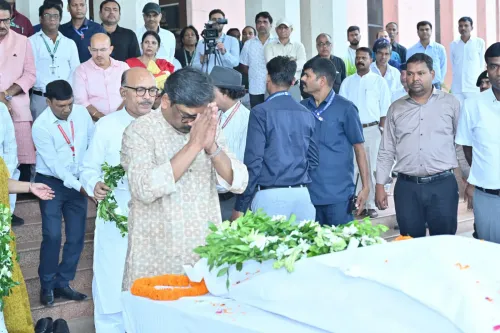
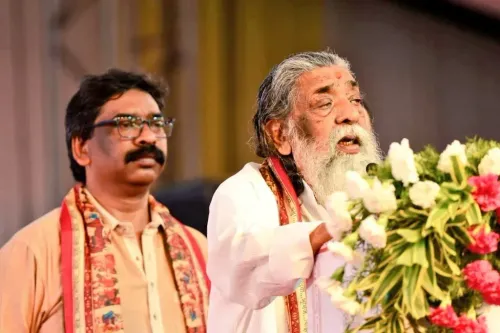
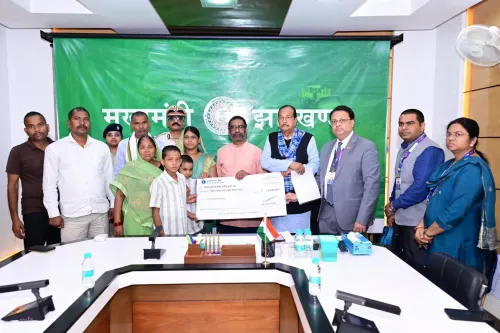
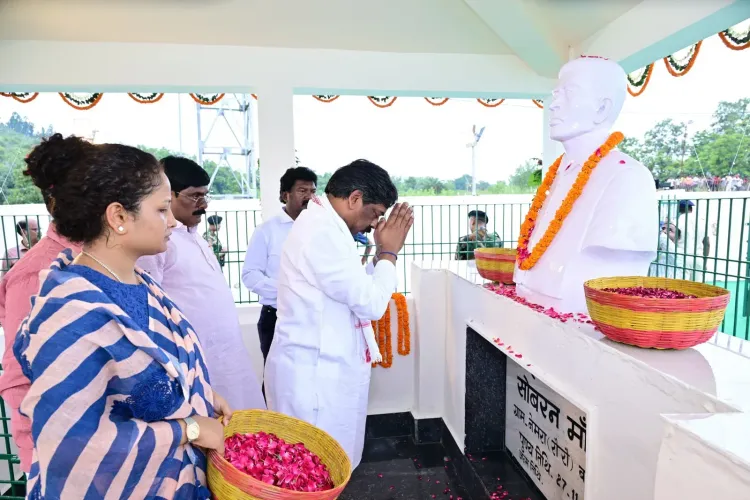
The post was accompanied by four images and shared from Soren's official X account on August 4, 2026 .
A personal grief, a political warning, and a call for unity — Jharkhand Chief Minister Hemant Soren on Tuesday, August 4, 2026, reached into his family's darkest memory to deliver one of his most candid public statements, mourning the brutal murder of his late grandfather Sobran Manjhi and drawing a direct line between that tragedy and the dangers he says still stalk Indian society today.
A teacher killed in the dark, a wound that never closed
In his post, Soren recalled that his grandfather, Sobran Manjhi, was a schoolteacher in the Ramgarh area — at the time part of Hazaribagh district — who dedicated himself to educating children and uplifting his community. Anti-social elements, Soren wrote, murdered him 'ruthlessly in the darkness of the night.' The Chief Minister was not yet born when the killing took place, but the memory, passed down through his family, still shakes him: 'aaj bhi jab us kaale adhyaay ko yaad karta hoon, toh man vyathit ho uthta hai' — 'even today, when I recall that dark chapter, my heart is filled with anguish.'
The detail about Ramgarh being a part of the old Hazaribagh district is historically precise — Ramgarh was carved out as a separate district only in 2007, well after Jharkhand itself was formed in 2000. Soren's framing roots his family's sacrifice in the pre-statehood geography of the region, lending the tribute an additional layer of historical weight.
From a village schoolroom to a national reckoning
Soren does not let the tribute remain private. He widens the lens sharply — and deliberately. Even as India reaches for the moon, he writes, certain forces continue to mislead and target 'ordinary citizens, the elderly, women, and youth' in cities and remote villages alike. The contrast is pointed: a nation capable of lunar ambition that still cannot protect its most vulnerable from organised social violence.
He describes these forces as having 'new forms and new faces' — the same malice, repackaged for each generation. It is a warning about the persistence of communal or caste-based predation, though Soren stops short of naming any specific group or ideology, keeping the statement broad and the moral claim universal.
Unity as the only permanent answer
The Chief Minister closes with a prescription rather than a political demand. 'There is only one permanent solution,' he writes — 'hamari ekjutataa aur ek-doosre ke prati sammaan' — 'our solidarity and mutual respect.' He argues that as long as communities do not live in brotherhood and dignity, forces that seek to divide them will keep finding purchase.
The statement, accompanied by four images, reads less like a campaign broadside and more like a chief minister processing inherited trauma in public — and using it to make a moral argument about social cohesion that transcends any single election cycle.
Sobran Manjhi's story — a tribal educator killed for his work, his sacrifice largely unrecorded in mainstream history — now has the amplification of a state government's highest office. Whether that amplification translates into concrete policy or remains a powerful personal testimony, the Chief Minister has ensured his grandfather's name is no longer confined to family memory alone.
Point of View
He reinforces the JMM's foundational narrative of Adivasi sacrifice and resilience. The warning about 'new faces' of anti-social forces, deliberately unspecified, allows the statement to resonate across communities without triggering a direct political counter-attack. At a time when social polarisation is a live electoral fault-line in Jharkhand, framing unity as a family inheritance rather than a party position is a strategically deft move.
NationPress
4 Aug 2026
Frequently Asked Questions
Who was Sobran Manjhi, Hemant Soren's grandfather?
Sobran Manjhi was Hemant Soren's paternal grandfather and a schoolteacher in the Ramgarh area, which was then part of Hazaribagh district in present-day Jharkhand. He was murdered by anti-social elements at night, an event Soren says occurred before his own birth.
Why did Hemant Soren post about his grandfather on August 4, 2026?
Soren shared the tribute to honour his grandfather's contribution to community education and to draw a parallel with what he described as persistent divisive forces in Indian society today, calling for unity and mutual respect.
What was Ramgarh's administrative status when Sobran Manjhi lived there?
Ramgarh was part of the larger Hazaribagh district at the time. It was carved out as a separate district only in 2007, after Jharkhand itself was formed in 2000.
What solution did CM Hemant Soren propose for social violence and division?
Soren stated that the only permanent solution is solidarity and mutual respect among communities, arguing that divisive forces will continue to exploit society as long as brotherhood and dignity are absent.
What is the Jharkhand Mukti Morcha and what is Hemant Soren's role in it?
The Jharkhand Mukti Morcha (JMM) is a regional political party with roots in the Adivasi rights movement. Hemant Soren serves as both the Chief Minister of Jharkhand and the executive president of the JMM.