Kejriwal calls for Dharmendra Pradhan's resignation, backs Wangchuk
Synopsis
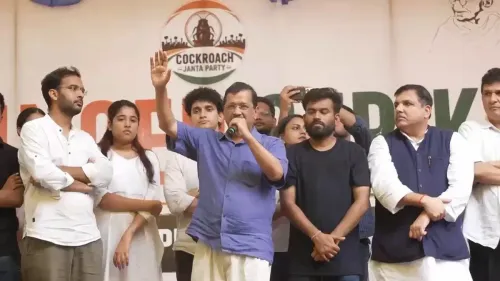
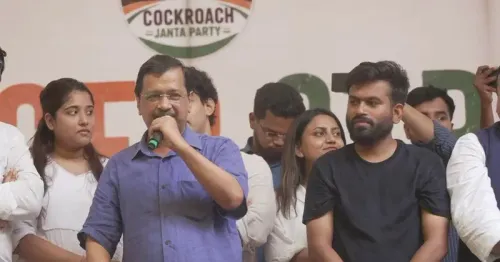
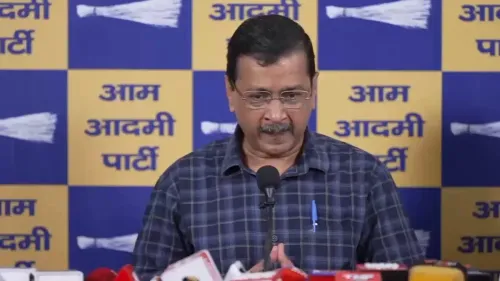
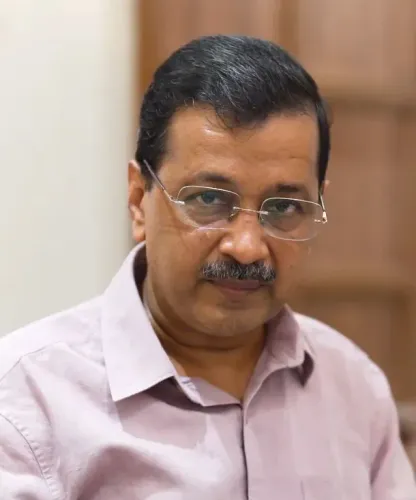
AAP convenor Arvind Kejriwal on 16 July 2026 publicly demanded that Union Education Minister Dharmendra Pradhan resign and that Ladakhi reformer Sonam Wangchuk be appointed in his place, reigniting debate over NEP 2020 implementation and grassroots education accountability.
Key Takeaways
Arvind Kejriwal posted on 16 July 2026 calling for Dharmendra Pradhan's resignation as Union Education Minister.
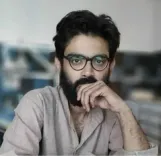
He specifically named Sonam Wangchuk , Ladakhi engineer and SECMOL founder, as his preferred replacement.
Dharmendra Pradhan is the minister responsible for implementing the National Education Policy 2020 .
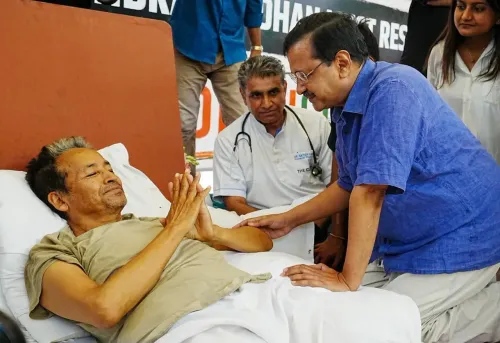
Sonam Wangchuk is known for hands-on, locally relevant learning models and has led public protests over Ladakh's administrative status.
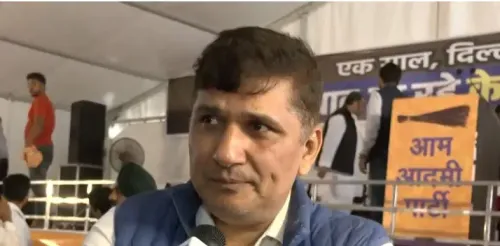
AAP has consistently positioned itself as a reform leader on school education, citing its record in Delhi government schools.
No response from the Ministry of Education or from Wangchuk has been recorded at the time of publication.
AAP convenor Arvind Kejriwal on Thursday, 16 July 2026 called for the resignation of Union Education Minister Dharmendra Pradhan and demanded that Ladakhi engineer and education reformer Sonam Wangchuk be appointed in his place — a sharp political broadside that puts the National Education Policy (NEP) and its implementation back at the centre of national debate.
Context
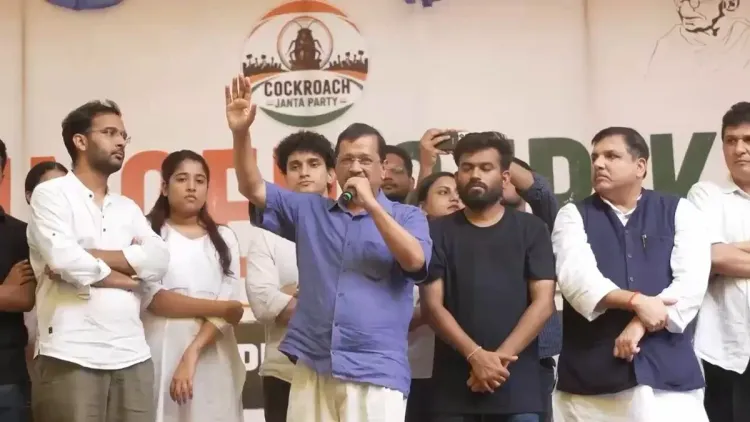
Kejriwal posted in Hindi on X: 'Dharmendra Pradhan ko toh istifa dena chahiye aur Sonam Wangchuk ko desh ka Shiksha Mantri banana chahiye' — translated: 'Dharmendra Pradhan should resign and Sonam Wangchuk should be made the country's Education Minister.' The post carries a video, though the specific content of the video has not been independently verified. The statement is unambiguous: Kejriwal is questioning the incumbent minister's performance and elevating a civil-society figure as an alternative.
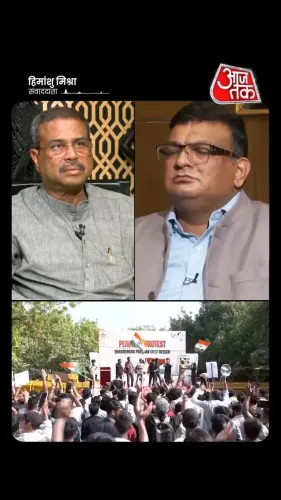
Dharmendra Pradhan has served as Union Minister of Education and is the principal political face of implementing the NEP 2020 across school and higher education. Sonam Wangchuk, a Ladakhi engineer and innovator, founded the Students' Educational and Cultural Movement of Ladakh (SECMOL) and is internationally recognised for promoting hands-on, locally relevant learning models. He has previously led extended public protests over Ladakh's administrative status and environmental concerns.
Policy Backdrop
The National Education Policy 2020, approved by the Union Cabinet, set ambitious targets: restructuring curricula from the foundational to higher-education level, introducing multidisciplinary learning, and raising the Gross Enrolment Ratio in higher education to 50 per cent by 2035. Critics, including opposition parties, have questioned the pace of implementation, equity of access, and the relevance of centralised curricula for diverse regional contexts.
AAP, during its tenures governing Delhi, positioned itself as a reform-first party on school education — investing in infrastructure upgrades, 'happiness curriculum' programmes, and teacher training. The party has consistently argued that the Centre's approach to education lacks grassroots accountability. Wangchuk's model at SECMOL, which emphasises solar-powered campuses and experiential learning suited to high-altitude communities, is frequently cited as a counterpoint to top-down policy design.
Stakeholders and Impact
The demand lands at a politically sensitive moment for Ladakh, whose youth and civil society have repeatedly raised concerns about curriculum relevance, limited higher-education access in the Union Territory, and the erosion of local administrative control since Ladakh was bifurcated from Jammu and Kashmir in 2019. Wangchuk has been a vocal advocate for Ladakh's statehood and a sixth-schedule tribal protection status — causes that have drawn national attention through hunger strikes and long marches to New Delhi.
For students and teachers across India, the exchange highlights a continuing tension between centralised policy ambition and localised delivery gaps. Opposition parties have periodically used education performance data — dropout rates, learning outcomes, and teacher vacancies — to challenge the Ministry's record. Kejriwal's post amplifies that critique by naming a specific civil-society alternative rather than making an abstract demand.
What's Next
All eyes will be on whether the Ministry of Education responds to Kejriwal's call or whether Sonam Wangchuk himself comments on the suggestion of a national ministerial role. Any statement from Wangchuk could significantly widen the political footprint of this exchange. AAP, as a national party with presence in Punjab and aspirations in other states, is likely to press the education performance argument ahead of upcoming electoral cycles. If the video attached to the post surfaces a specific policy failure or incident, it could sharpen the debate further and compel a formal response from the ruling dispensation.
Point of View
While simultaneously co-opting a credible, non-partisan civil-society figure to lend moral weight to the critique. By invoking Sonam Wangchuk — who commands cross-ideological respect and has a Ladakhi constituency that the BJP also courts — AAP signals it is competing not just on party politics but on the terrain of governance credibility. The demand is unlikely to translate into policy but it keeps education, a perennially under-debated portfolio, in the political spotlight. It also tests whether Wangchuk, who has carefully maintained distance from electoral politics, will engage with or distance himself from partisan endorsement.
NationPress
17 Jul 2026
Frequently Asked Questions
Why is Kejriwal asking Dharmendra Pradhan to resign?
Kejriwal has publicly called for Dharmendra Pradhan's resignation as Union Education Minister, implying dissatisfaction with the Ministry's performance, though the specific trigger for his 16 July 2026 post has not been officially stated.
Who is Sonam Wangchuk and why is he being suggested as Education Minister?
Sonam Wangchuk is a Ladakhi engineer and education reformer who founded SECMOL, a school that uses solar energy and experiential learning suited to mountain communities. He is widely respected for offering an alternative model to centralised, rote-based education.
What is the National Education Policy 2020?
The National Education Policy 2020 is a Union Cabinet-approved framework to restructure Indian education from the foundational to higher-education level, introducing multidisciplinary learning and targeting a Gross Enrolment Ratio of 50 per cent in higher education by 2035.
Has Sonam Wangchuk responded to Kejriwal's suggestion?
As of the time of publication, no public statement from Sonam Wangchuk accepting or commenting on Kejriwal's suggestion has been recorded.
What is AAP's track record on education?
During its governance of Delhi, AAP invested heavily in government school infrastructure, teacher training, and a 'happiness curriculum', positioning education reform as a flagship policy. The party has used this record to critique the Centre's approach to education policy.