What Concerns Does the UN Human Rights Chief Have Over Pakistan's Constitutional Amendments?

Synopsis
The UN High Commissioner for Human Rights, Volker Turk, has voiced significant concerns regarding Pakistan's latest constitutional amendments, fearing they threaten judicial independence and human rights. The amendments, adopted without public engagement, raise serious questions about democracy and the rule of law in Pakistan, as highlighted by ongoing protests and arrests of activists.
Key Takeaways
UN raises concerns over judicial independence in Pakistan.
New Federal Constitutional Court replaces Supreme Court's authority.
Amendment grants immunity to top officials from prosecution.
Protests erupt against the amendments and arrests of activists.
Calls for accountability and respect for human rights by the authorities.
Geneva, Nov 28 (NationPress) The UN High Commissioner for Human Rights, Volker Turk, expressed significant concerns on Friday regarding Pakistan’s recent constitutional amendments. He cautioned that these changes undermine the separation of powers essential for the rule of law and the protection of human rights within the nation.
In his statement, Turk noted that the latest constitutional change, akin to the 26th Amendment, was passed without substantial dialogue with the legal community and citizens of Pakistan.
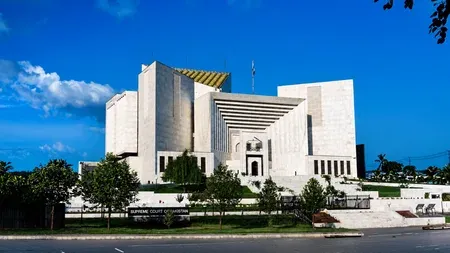
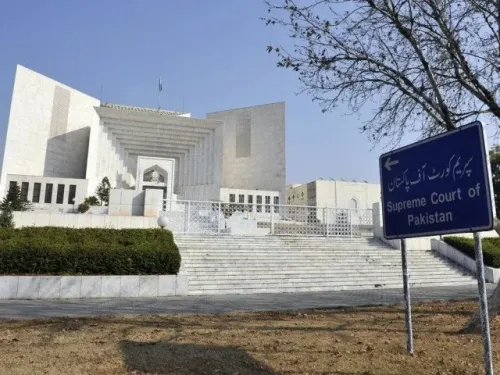
The amendments adopted on November 13 have established a new Federal Constitutional Court (FCC) with authority over constitutional matters, thereby limiting the previous role of the Supreme Court to civil and criminal cases only.
“These modifications, when viewed collectively, pose a danger of placing the judiciary under political manipulation and executive dominance. Neither the executive nor the legislative branches should have the power to govern or influence the judiciary. The judiciary must be shielded from any form of political sway during its decision-making processes,” he articulated.
Turk further remarked: “A fundamental aspect of judicial independence is a tribunal's separation from political pressures imposed by the Government. When judges lack independence, they often struggle to enforce the law impartially and uphold human rights amidst political coercion.”
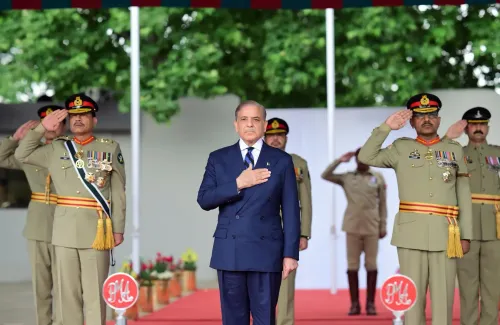
On November 13, Pakistani President Asif Ali Zardari ratified the 27th Constitutional Amendment Bill following its endorsement by both parliamentary houses. With his approval, this bill has been integrated into the Constitution of Pakistan.
This amendment provides lifelong immunity to the President, Field Marshal, Marshal of the Air Force, and Admiral of the Fleet from criminal charges and arrests, as outlined in the statement.
Volker Turk pointed out, “Extensive immunity provisions like these erode accountability, which is a fundamental element of the human rights framework and democratic oversight of the military under the rule of law.”
“I am troubled that these amendments could have profound implications for the values of democracy and the rule of law that the Pakistani populace cherishes,” he added.
Last week, the Human Rights Council (HRC) of Pakistan denounced the “unlawful arrest and five-hour detention” of its member Farwa Askar and journalist Alifia Sohail.
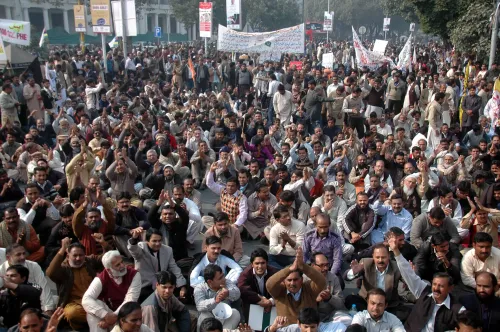
The rights body reported that the arrests occurred outside the Karachi Press Club during a “peaceful” demonstration against the nation’s 27th Constitutional Amendment on November 21. They deemed the incident a severe breach of freedom of expression and human rights.
“Alifia Sohail is a distinguished journalist known for her fearless reporting on social issues, while Farwa Askar is a human rights advocate striving to secure fundamental rights in Pakistan. Their arrest and unlawful detention represent not only a violation of the Constitution but also an unacceptable attempt to stifle journalism and the human rights movement,” stated the HRC Pakistan.
The rights organization demanded an immediate probe into the officers responsible for the arrests and insisted on accountability.
They also called on authorities to respect the rights of citizens peacefully protesting against the 27th Constitutional Amendment and to ensure the safety of journalists and human rights defenders, enabling them to perform their duties without fear.
On November 18, the opposition coalition, Tehreek Tahaffuz-e-Ayeen-Pakistan (TTAP), organized a protest rally from Parliament House to the Supreme Court in Islamabad against the 27th Constitutional Amendment.
Point of View
It is imperative to maintain a balanced view. The recent constitutional amendments in Pakistan, while framed as necessary reforms, raise critical concerns about their impact on judicial independence and human rights. It is essential for democratic principles to prevail, ensuring that governance remains transparent and accountable to the citizens.
NationPress
24 Sept 2026
Frequently Asked Questions
What are the key concerns regarding the 27th Constitutional Amendment?
The key concerns include the potential undermining of judicial independence, increased political influence over the judiciary, and the introduction of extensive immunity provisions that may erode accountability.
What actions have been taken by civil society in response to the constitutional amendments?
Civil society has organized protests to voice their dissent against the amendments, highlighting concerns over human rights violations and the suppression of free expression.
How has the international community reacted to the amendments?
The international community, particularly the UN, has expressed serious concerns about the implications of these amendments on democracy and human rights in Pakistan.
What is the significance of judicial independence?
Judicial independence is crucial for ensuring fair and impartial justice. It protects against political interference, allowing the judiciary to uphold the law consistently and safeguard human rights.