UN chief urges Ethiopia ceasefire as aid convoy reaches Tigray
Synopsis
UN Secretary-General Guterres has urgently called for a ceasefire in Ethiopia's Tigray, Afar and Amhara regions as the Pretoria Agreement buckles under renewed fighting. Even as the first WFP aid convoy in weeks reached Mekelle with 90 metric tons of supplies, the UN warns that millions remain at risk and that any escalation could once again sever life-saving access corridors.
Key Takeaways
UN Secretary-General António Guterres called for an immediate cessation of hostilities in Ethiopia's Tigray, Afar and Amhara regions on 10 October .
Guterres urged all signatories to return to dialogue under the Pretoria Agreement and warned of escalation risks threatening regional stability.
The first humanitarian convoy since fighting resumed — four WFP trucks carrying 90 metric tons of supplies — reached Mekelle via the Semera-Abala corridor .
Renewed fighting in Tigray erupted on 1 August , near the border with Eritrea .
OCHA warned that more supplies and emergency assistance are urgently needed; access corridors remain fragile.
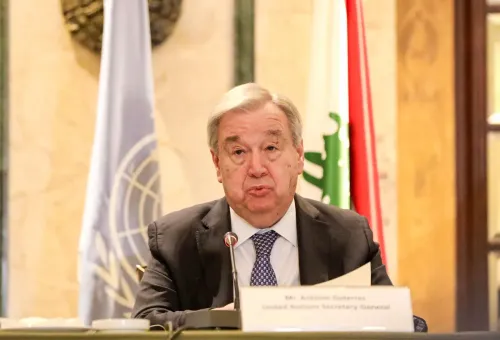
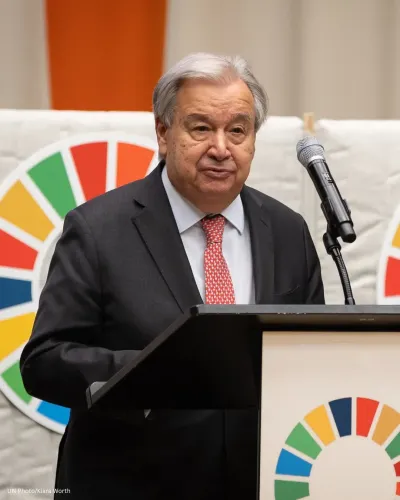
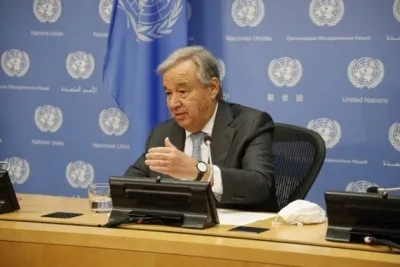
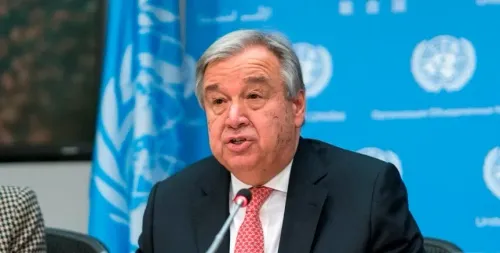
UN Secretary-General António Guterres has expressed grave concern over renewed fighting across northern Ethiopia and called on all parties to halt hostilities immediately, his spokesman said. The appeal comes as the first humanitarian aid convoy since the latest outbreak of violence reached Mekelle, the capital of Tigray, on Thursday.
The UN Secretary-General's Appeal
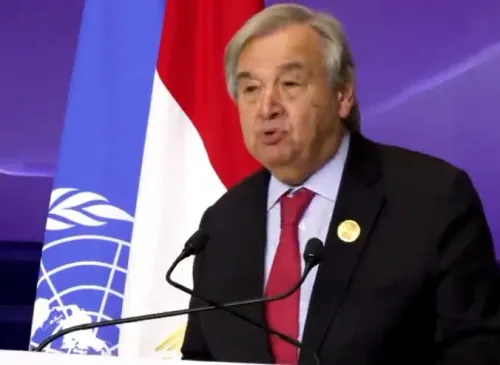
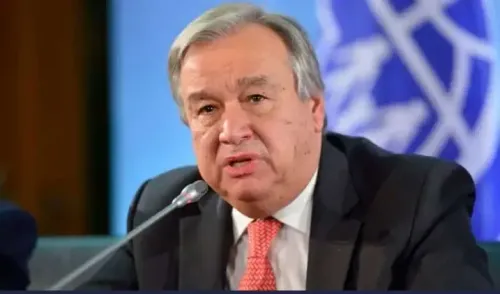
Spokesman Stéphane Dujarric said in a statement that Guterres is 'gravely concerned by the renewed fighting in the Tigray, Afar and Amhara regions of Ethiopia.' The UN chief called on all parties to 'cease hostilities immediately' and urged the signatories to return to dialogue under the framework of the Pretoria Agreement, the landmark peace deal that had previously brought a halt to fighting in the region.
Guterres also warned of escalation risks that could further destabilise the broader region. His statement reminded all states in the region of their obligations under the United Nations Charter to refrain from the threat or use of force against the territorial integrity or political independence of any state, and of the principle of non-interference in internal affairs. He called on all states with influence over the parties to actively support de-escalation and said he stands ready to offer his good offices.
First Aid Convoy Reaches Tigray
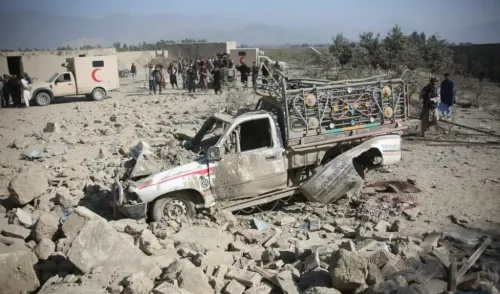
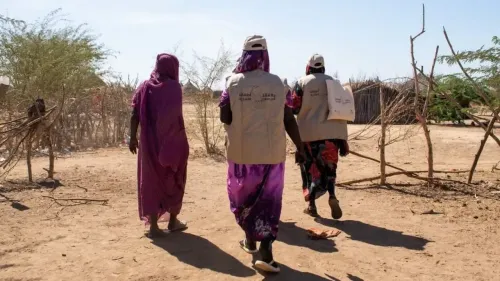
In a significant development on the humanitarian front, the UN Office for the Coordination of Humanitarian Affairs (OCHA) confirmed on Friday that the first convoy of aid trucks and humanitarian personnel has reached the Tigray region since hostilities resumed. A convoy of four World Food Programme (WFP) trucks carrying 90 metric tons of supplies to treat acute malnutrition arrived in Mekelle via the Semera-Abala corridor in the neighbouring Afar region.
Food aid distribution in Tigray had also resumed earlier in the week, according to OCHA. Humanitarian workers who had been stranded in Addis Ababa, the Ethiopian capital, and in Semera in the Afar region, have also reached Mekelle, helping sustain life-saving relief operations.
Urgent Needs Still Unmet
Despite the convoy's arrival, OCHA stressed that far more humanitarian supplies and emergency assistance are urgently needed. Fighting erupted on 1 August in Tigray, near the border with Eritrea, triggering a fresh humanitarian crisis in a region already scarred by years of conflict. 'Once again, the UN stresses the need to protect civilians and ensure continued access to critical assistance, including functioning health facilities,' the office said.
This comes amid concerns that the Pretoria Agreement — signed in November 2022 to end a devastating two-year war — is fraying under the pressure of renewed military activity. The agreement had been seen as a fragile but meaningful step toward lasting peace in one of Africa's most protracted modern conflicts.
What Happens Next
The international community is watching closely whether the parties will heed the UN's call and return to the Pretoria framework. Guterres's offer of good offices signals that the UN is prepared to play a more active mediating role if diplomatic conditions allow. Meanwhile, humanitarian agencies warn that access corridors remain vulnerable and that a fresh escalation could once again cut off millions from life-saving aid.
Point of View
Territorial and geopolitical fault lines. That the fighting has resumed so swiftly, and that a single four-truck convoy counts as a humanitarian milestone, underscores how fragile the post-agreement order always was. Guterres's invocation of the UN Charter on non-interference is pointed: it signals concern that external actors may be fuelling the conflict, even if the statement stops short of naming them. The harder question mainstream coverage is not asking is whether the Pretoria framework retains any meaningful legitimacy among the parties, or whether the international community needs a fundamentally new mediation architecture before the next ceasefire window closes.
NationPress
10 Oct 2026
Frequently Asked Questions
Why has the UN called for a ceasefire in Ethiopia?
UN Secretary-General António Guterres called for an immediate cessation of hostilities because of renewed fighting in Ethiopia's Tigray, Afar and Amhara regions, warning of escalation risks that could further destabilise the broader region. He urged all parties to return to dialogue under the Pretoria Agreement, which had previously halted fighting.
What is the Pretoria Agreement?
The Pretoria Agreement is a peace deal signed in November 2022 that ended a two-year war in northern Ethiopia, primarily between federal government forces and the Tigray People's Liberation Front. The renewed fighting in August 2026 has raised concerns that the agreement is breaking down.
Has humanitarian aid reached Tigray since the fighting resumed?
Yes. The first convoy since the latest outbreak reached Mekelle on Thursday, comprising four World Food Programme trucks carrying 90 metric tons of supplies to treat acute malnutrition. The convoy entered via the Semera-Abala corridor in the Afar region.
What does the UN say is still needed in Tigray?
OCHA has stressed that far more humanitarian supplies and emergency assistance are urgently needed beyond the initial convoy. The office has called for the protection of civilians and uninterrupted access to critical assistance, including functioning health facilities.
When did the latest round of fighting in Tigray begin?
The latest outbreak of hostilities erupted on 1 August in Tigray, near the border with Eritrea, triggering a fresh humanitarian crisis in the already conflict-affected region.