Did the US Airlift a Mini Nuclear Reactor for the First Time?
Synopsis
In a groundbreaking move, the US military has airlifted a mini nuclear reactor, reflecting President Trump's strategy to enhance nuclear energy and military base security. This initiative could shape the future of energy resilience in the armed forces and the nation.
Key Takeaways
Miniaturized nuclear reactors can significantly enhance military energy security.
The Ward 250 reactor is capable of powering around 5,000 homes .
Collaboration between the Department of Energy and the Department of War is essential for advancing nuclear energy.
TRISO fuel offers improved safety for nuclear reactor operations.
This initiative reflects a strategic shift towards energy independence in military operations.
Washington, Feb 16 (NationPress) In a landmark event, the US military has successfully transported a miniaturized nuclear reactor for the first time, a pivotal move in President Donald Trump’s initiative to enhance nuclear energy deployment and improve energy security at military installations.
Utilizing three C-17 transport aircraft, components of the Valar Atomics Ward 250 unfueled nuclear reactor were delivered from March Air Reserve Base in California to Hill Air Force Base in Utah. This reactor is set to be relocated to the Utah San Rafael Energy Lab for comprehensive testing and evaluation.
The Ward 250, boasting a capacity of 5 megawatts, can fit within a C-17 aircraft and has the potential to supply energy to approximately 5,000 households. Initial testing will occur at 250 kilowatts, with the reactor eventually capable of generating 5 megawatts, as stated by company representatives.
This transport from California to Utah is part of a larger strategy aimed at deploying advanced nuclear power technologies throughout the United States. On May 23, 2025, the president endorsed four executive orders to promote America's nuclear energy framework, including initiatives to “Reinvigorate the Nuclear Industrial Base” and “Deploy Advanced Nuclear Reactor Technologies for National Security”.
At March Air Reserve Base, officials highlighted the importance of this initiative for national security. Utah Gov. Spencer Cox remarked, “Energy is not merely an economic matter; it is fundamentally a national security concern.” He emphasized that “the United States cannot project freedom if it lacks reliable power at home and abroad.”
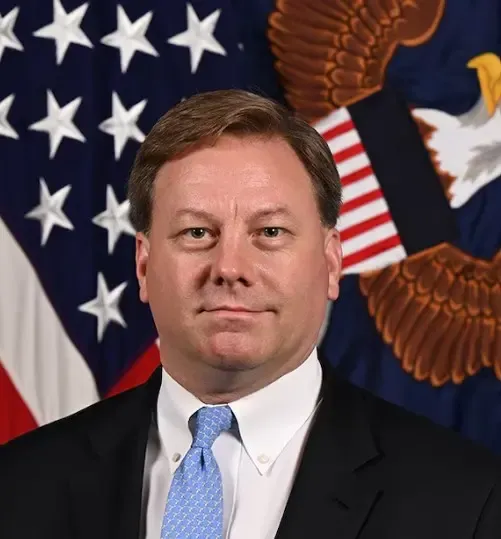
Michael P. Duffey, the Undersecretary of War for Acquisition and Sustainment, underscored the significance of collaboration between the War and Energy Departments. “Advancing President Trump’s nuclear energy agenda necessitates close cooperation between the Department of Energy and the Department of War,” Duffey stated.
He further articulated the operational implications for the military: “To power next-generation warfare, we must outpace our adversaries, creating a system that not only equips our armed forces for battle but ensures they can achieve victory swiftly.”
Energy Secretary Chris Wright expressed the administration’s commitment to revitalizing the sector. “The American nuclear renaissance aims to accelerate progress with private investment, American ingenuity, and unwavering resolve,” Wright remarked. He projected that by July 4, ten small reactors would be essential, heralding “the beginning of a nuclear renaissance.”
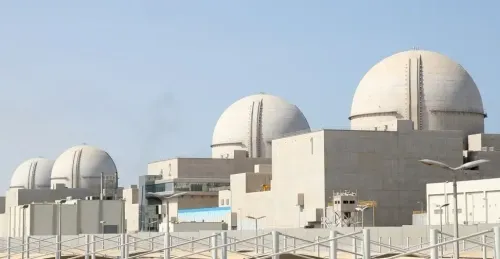
The reactor employs TRISO fuel—uranium pellets encased in ceramic layers—and utilizes helium coolant instead of water. For military applications, such systems could guarantee energy independence on bases, ensuring that missions do not rely on the civilian power grid.
Point of View
This development signifies a notable shift in America's energy landscape, particularly in relation to national security. It reflects a strategic move towards self-sufficiency in energy resources, ensuring that military operations are less reliant on external power grids.
NationPress
1 Oct 2026
Frequently Asked Questions
What is the Valar Atomics Ward 250?
The Valar Atomics Ward 250 is a mini nuclear reactor designed to generate 5 megawatts of power, capable of supplying energy to approximately 5,000 homes.
Why is the US military pursuing mini nuclear reactors?
The US military is pursuing mini nuclear reactors to enhance energy security at military bases, ensuring missions are not reliant on civilian power grids.
How does this initiative impact national security?
This initiative strengthens national security by ensuring reliable energy sources for military operations, reducing dependence on external power supplies.
What future plans does the US have for nuclear energy?
The US plans to deploy ten small reactors by July 4 as part of a broader agenda to reinvigorate the nuclear energy sector.