US Connected Vehicle Security Act nears 100+ House co-sponsors amid Trump-Xi talks
Synopsis
A bipartisan US bill to block China-linked connected vehicles — and their software and hardware — from American markets has cleared 100 House co-sponsors, with a Senate version already through committee. The push is timed deliberately to the Trump-Xi summit, signalling that Congress wants vehicle security and trade dependence on the agenda, not just headline diplomacy.
Key Takeaways
The Connected Vehicle Security Act has surpassed 100 co-sponsors in the House of Representatives as of Wednesday, 24 September 2026 .
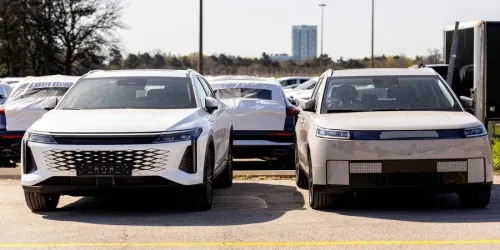
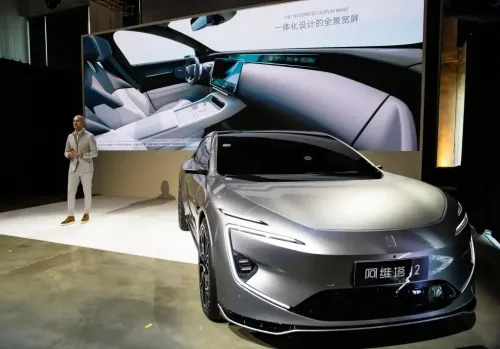
The bill would ban importation, manufacture, and sale of China-linked connected vehicles, software, and hardware in the US.
It is co-led by Rep.
John Moolenaar (R) and Rep.
Debbie Dingell (D) , with bipartisan support in both chambers.
A Senate companion bill led by Sen.
Bernie Moreno has 46 co-sponsors and cleared the Senate Commerce Committee unanimously in July 2026 .
Neither chamber has scheduled a final floor vote; the bill has not yet been enacted.
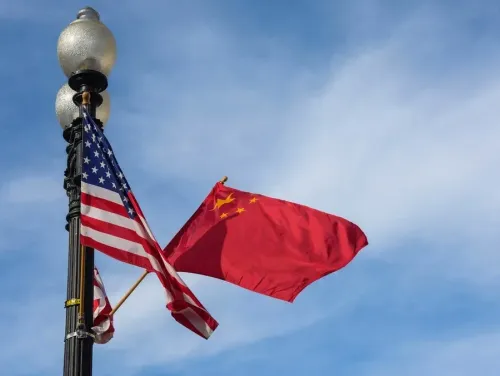
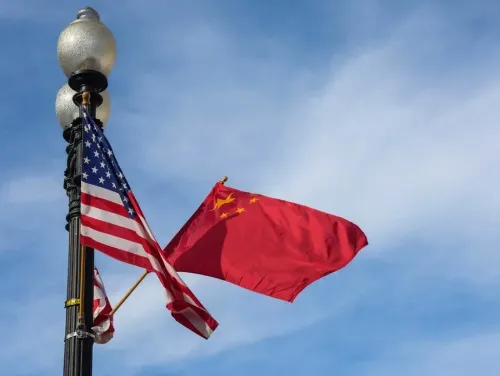
The announcement coincides with congressional pressure on President Trump to raise trade and security concerns at his upcoming meeting with President Xi Jinping .
A bipartisan proposal to ban China-linked connected vehicles and their associated technology from the United States has crossed 100 co-sponsors in the House of Representatives, a congressional committee announced on Wednesday, as lawmakers push President Donald Trump to raise trade and security concerns in his upcoming meeting with Chinese President Xi Jinping.
What the Connected Vehicle Security Act Proposes
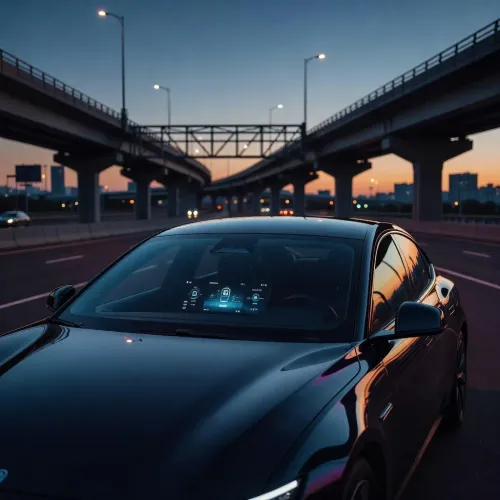
The Connected Vehicle Security Act would prohibit the importation, manufacture, and sale of connected vehicles, software, and hardware linked to China. The bill is co-led by Republican Representative John Moolenaar, chairman of the House Select Committee on China, and Democratic Representative Debbie Dingell, giving the measure bipartisan backing from the outset.
Notably, the legislation extends beyond finished automobiles. By covering software and hardware components, it targets the full spectrum of China-linked technology embedded in connected vehicles — a scope that reflects growing congressional concern over digital vulnerabilities in critical infrastructure, not just trade competition.
Where the Numbers Stand
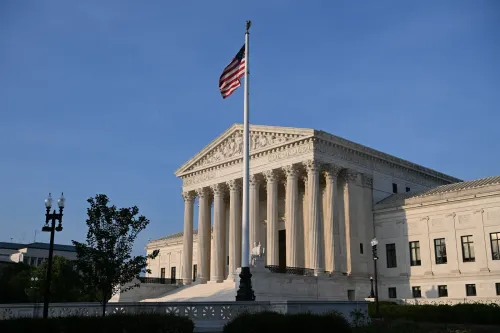
The 100-plus House co-sponsors represent a significant show of support, though the bill has not been put to a floor vote in either chamber. A companion Senate version, led by Republican Senator Bernie Moreno, has attracted 46 bipartisan co-sponsors and passed the Senate Commerce Committee unanimously in July 2026. A committee vote advances legislation but does not enact it; further congressional action — including full-chamber votes and presidential assent — would still be required.
The committee's announcement did not specify a timetable for a final floor vote in either chamber.
The Case Made by Sponsors
Moolenaar argued that permitting China-linked vehicles into the US market could damage domestic manufacturers, erode jobs, and introduce risks to national infrastructure. 'My bipartisan legislation protects the American people and secures the future of American manufacturing,' he said in the committee's release on Wednesday. He also framed the measure as an economic safeguard, warning that a large Chinese presence in the vehicle market could deepen American dependence on China.
The committee's release did not cite evidence of a specific security breach involving a connected vehicle, nor did it include a response from the Chinese government.
Broader Congressional Pressure Ahead of Trump-Xi Summit
The announcement is one of several China-related pushes from Congress timed to the Trump-Xi meeting. Senate Democratic leader Chuck Schumer separately called on Wednesday for tighter restrictions on China's access to advanced American AI chips and chipmaking equipment. Other lawmakers pressed for progress on AI safety talks and firmer Chinese commitments to purchase US agricultural products.
This comes amid a broader pattern of bipartisan convergence on China policy in Washington — a rare area of legislative agreement in an otherwise deeply divided Congress.
What Happens Next
With the bill yet to be scheduled for a full House or Senate floor vote, its path to enactment remains uncertain. Enforcement mechanisms and implementation timelines were not detailed in the committee's release. Industry groups and automakers with China-linked supply chains are expected to weigh in as the bill advances. The outcome of the Trump-Xi talks may shape the legislative momentum behind the proposal in the weeks ahead.
Point of View
And the deliberate timing against the Trump-Xi summit: lawmakers are using the bill as a pressure tool, not just a statement. The real test is whether the administration, which has its own economic leverage calculus with Beijing, allows floor votes before a diplomatic deal — or uses the bill as a bargaining chip and quietly lets it stall. The absence of any enforcement detail or implementation timeline in the committee's release suggests the legislation is still more signal than statute.
NationPress
24 Sept 2026
Frequently Asked Questions
What is the Connected Vehicle Security Act?
The Connected Vehicle Security Act is a bipartisan US congressional bill that would prohibit the importation, manufacture, and sale of connected vehicles, software, and hardware linked to China. It is co-led by Republican Representative John Moolenaar and Democratic Representative Debbie Dingell in the House.
How many co-sponsors does the bill have?
The House version has surpassed 100 co-sponsors as of 24 September 2026, while the Senate companion bill led by Senator Bernie Moreno has 46 bipartisan co-sponsors. Neither figure means the bill has passed either chamber.
Has the bill been passed into law?
No. The Senate version passed the Senate Commerce Committee unanimously in July 2026, which advances it but does not enact it. Neither chamber has scheduled a final floor vote, and the bill would still require further congressional action and presidential assent to become law.
Why is the bill being highlighted now?
The announcement was timed ahead of President Donald Trump's meeting with Chinese President Xi Jinping, with lawmakers pressing Trump to raise trade and security concerns — including connected vehicle risks — in those talks.
What broader China concerns are Congress raising alongside this bill?
Beyond connected vehicles, Senate Democratic leader Chuck Schumer called for tighter restrictions on China's access to advanced US AI chips and chipmaking equipment. Other lawmakers sought progress on AI safety talks and firmer Chinese commitments to purchase US agricultural products.