US court blocks Trump bid to access 17 million commercial drivers' data
Synopsis
A federal judge has handed a coalition of more than 20 state attorneys general a significant early win, temporarily blocking the Trump administration from seizing a database of 17 million commercial drivers' most sensitive personal data — Social Security numbers included. The ruling exposes a deepening federal-state standoff over who controls driver records, and the next move — a preliminary injunction bid — could lock that protection in for months.
Key Takeaways
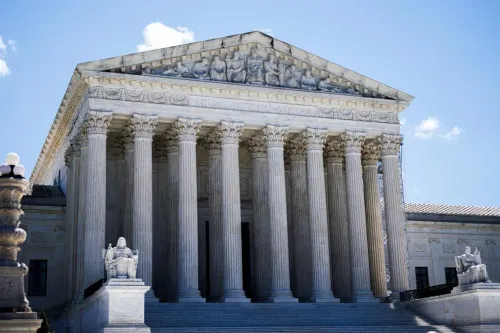
A US federal judge issued a temporary restraining order on 22 August blocking the Trump administration from accessing the CDLIS database of more than 17 million commercial drivers .
The order also bars the administration from cutting more than $10 million in federal funding to the American Association of Motor Vehicle Administrators as leverage.
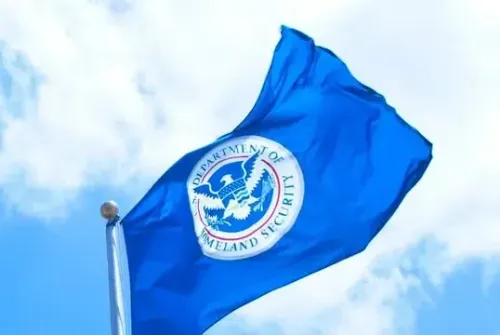
A Department of Homeland Security subpoena seeking the same records has been effectively paused while litigation proceeds.
The database contains drivers' names, dates of birth, Social Security numbers , and driving licence numbers — records created and maintained by individual states.
Attorneys general from 21 states plus the District of Columbia have joined the legal challenge, alleging violations of multiple federal privacy laws.
The coalition will next seek a preliminary injunction to block data transfer for the full duration of the case.
A US federal judge has temporarily blocked the Trump administration from obtaining a database holding sensitive personal information on more than 17 million commercial drivers, including their Social Security numbers and driving licence numbers. The temporary restraining order, secured on 22 August, also bars the administration from cutting more than $10 million in federal funding to the organisation that operates the database if it refuses to hand over the records.
What the Court Order Covers
The order prevents the US Department of Transportation from acquiring the records and effectively pauses a Department of Homeland Security subpoena while litigation proceeds, according to Virginia Attorney General Jay Jones. Jones, leading a coalition of state attorneys general, had challenged demands issued by the Transportation Department, the Federal Motor Carrier Safety Administration, and the Department of Homeland Security.
'The federal court's decision to grant a Temporary Restraining Order is an important win for protecting the privacy of millions of commercial drivers,' Jones said. 'The ruling ensures Virginians' data remains secure and under state control while the legal process continues.'
The Database at the Centre of the Dispute
The contested records are held within the Commercial Driver's License Information System (CDLIS), a system Congress established in 1986 to allow states to share information about commercial driving licence applicants. Since 1988, the Transportation Department has contracted with the American Association of Motor Vehicle Administrators — a private non-profit — to operate the system on behalf of states.
The database contains a driver's name, date of birth, Social Security number, driving licence number, and the state that supplied the information. States use the system to verify an applicant's identity, medical fitness, immigration status, and licensing history before approving a commercial driving licence.
Legal Challenge and Allegations
Jones and the coalition filed two related lawsuits last week. One names the Transportation Department, the Federal Motor Carrier Safety Administration, and the association operating the database. The second challenges Homeland Security's separate efforts to obtain the records via subpoena.
The lawsuits allege that the federal agencies are violating multiple privacy laws by attempting to build a separate federal database using state-owned records obtained from the association. The coalition contends the proposed database would lack safeguards governing the use or sharing of Social Security numbers, and that the effort was undertaken without public notice — a significant procedural concern.
States Backing the Coalition
Attorneys general from Arizona, California, Colorado, Connecticut, Delaware, Hawaii, Illinois, Maine, Maryland, Massachusetts, Michigan, Nevada, New Jersey, New Mexico, New York, Oregon, Vermont, Washington, and Wisconsin joined the legal action, along with the District of Columbia and Pennsylvania. Minnesota's attorney general joined the case specifically involving Homeland Security. Notably, the federal government's position was not included in materials released by Jones' office.
What Happens Next
The coalition said it will now seek a preliminary injunction to prevent any transfer of the information for the full duration of the litigation. The temporary restraining order offers short-term protection, but a preliminary injunction would provide a more durable legal shield while the courts examine the underlying privacy and governance questions. The case is being closely watched as a test of how far federal agencies can reach into state-controlled data systems.
Point of View
Reportedly without public notice, tests a boundary that privacy law has long treated as settled. The coalition's success at the restraining-order stage is significant, but the harder question — whether federal agencies can compel a private contractor operating a state-mandated system to hand over records — will take months to resolve. The absence of any public federal government statement is itself telling: it suggests the administration anticipated legal pushback and is calibrating its next move carefully.
NationPress
6 Oct 2026
Frequently Asked Questions
What is the CDLIS database and why does the Trump administration want it?
The Commercial Driver's License Information System (CDLIS) is a federally mandated but state-operated database established by Congress in 1986 to help states share commercial driving licence information. It contains names, dates of birth, Social Security numbers, and licence numbers for more than 17 million drivers. The Trump administration, through the Transportation Department and Homeland Security, sought access to these records, though its stated purpose was not included in materials released by the opposing attorneys general.
What exactly did the federal court order block?
The temporary restraining order blocks the US Department of Transportation from acquiring the CDLIS records and pauses a Department of Homeland Security subpoena seeking the same data while litigation proceeds. It also prevents the administration from threatening to cut more than $10 million in federal funding to the American Association of Motor Vehicle Administrators as a means of compelling compliance.
Which states are involved in the legal challenge?
Attorneys general from Arizona, California, Colorado, Connecticut, Delaware, Hawaii, Illinois, Maine, Maryland, Massachusetts, Michigan, Nevada, New Jersey, New Mexico, New York, Oregon, Vermont, Washington, and Wisconsin joined, along with the District of Columbia and Pennsylvania. Minnesota's attorney general joined the case specifically targeting Homeland Security's subpoena.
What privacy concerns have the attorneys general raised?
The coalition alleges that the federal agencies are violating multiple privacy laws by attempting to build a separate federal database from state-owned records. They argue the proposed database would lack adequate safeguards for Social Security numbers and other personal information, and that the effort was undertaken without public notice — a procedural requirement under federal administrative law.
What is the next legal step in this case?
The coalition of attorneys general has said it will seek a preliminary injunction to prevent any transfer of the data for the full duration of the litigation. A preliminary injunction, if granted, would provide a more durable legal protection than the current temporary restraining order, which is short-term by nature.