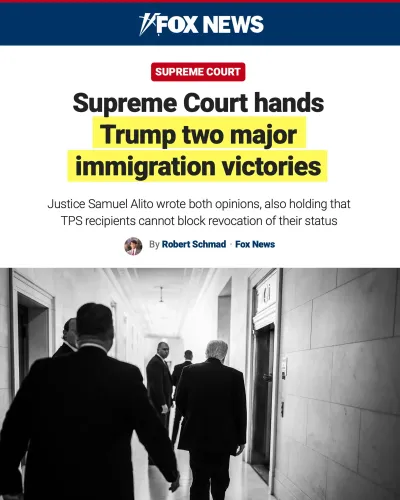
US Supreme Court greenlights Trump's third-country deportations pending full ruling
Synopsis
The US Supreme Court just handed the Trump administration a major interim win on immigration — allowing third-country deportations to resume while the justices prepare to hear the case in December. With over 25,000 people reportedly already deported to 28 countries and migrants' lawyers alleging beatings and disappearances, the stakes for the full ruling could not be higher.
Key Takeaways
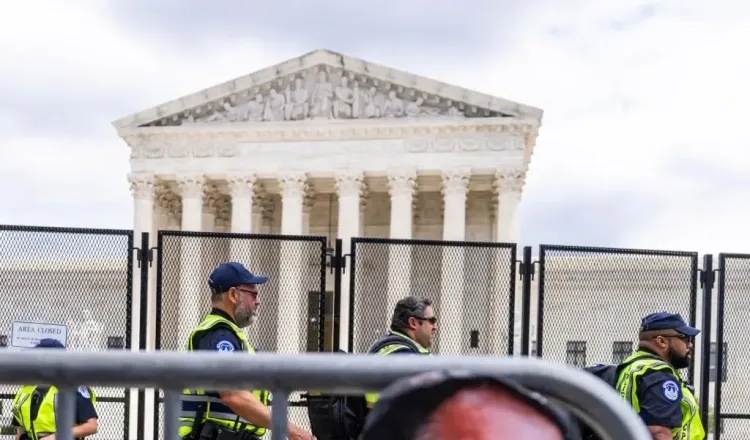
The US Supreme Court on 30 September 2026 granted a stay allowing the Trump administration to resume deporting migrants to third countries.
The stay lifts a February ruling by a Massachusetts federal judge that had blocked the policy and required migrants to receive notice and a chance to raise persecution fears.
Justices Sotomayor , Kagan , and Brown Jackson dissented; the majority provided no written explanation.
The DHS policy allows removal to a non-listed country if that government agrees; migrants must be given at least 24 hours notice when no diplomatic assurance exists.
Migrants' lawyers estimate more than 25,000 people were deported to at least 28 third countries in 2025–2026 , with some allegedly facing beatings, detention, and further deportation.
Full arguments are set for the December session ; the ruling will not affect lawful permanent residents or visa holders not in removal proceedings.
The US Supreme Court on 30 September 2026 allowed the Trump administration to resume deporting migrants to countries other than their own, temporarily lifting a lower-court block while the justices deliberate on whether the administration's third-country removal policy is lawful. The stay will remain in effect until the court issues a final ruling, with arguments scheduled for its December session.
What the Court Decided
The majority granted the administration's request for a stay of a February ruling by a federal judge in Massachusetts that had suspended the policy and required migrants to receive meaningful notice and an opportunity to raise fears of persecution or torture before removal. The majority did not provide a written explanation for granting the stay.
Justices Sonia Sotomayor, Elena Kagan, and Ketanji Brown Jackson dissented, saying they would have denied the administration's request.
How the Policy Works
Under the Department of Homeland Security (DHS) policy, a person with a final removal order may be sent to a country not listed in the original deportation order, provided that government agrees to accept the individual. If no such assurance exists, the government says the migrant must be informed of the destination country and given at least 24 hours to express fear of persecution or torture. An immigration officer then determines whether the person is more likely than not to face such harm; those who do not meet that threshold can be deported.
Administration's Position
The Trump administration described third-country removals as 'an essential tool to remove certain aliens, including some of the worst criminal aliens.' Officials said the lower-court restrictions had forced the cancellation of a flight carrying 70 migrants with criminal convictions to three countries, causing additional costs and requiring renewed diplomatic engagement. The Justice Department argued that courts had exceeded their authority by imposing classwide relief and interfering with decisions governed by immigration and foreign-policy law.
Migrants' Lawyers Push Back
Lawyers representing the migrants argued the policy could send people to unfamiliar countries without a meaningful opportunity to demonstrate they face persecution, torture, or further deportation to a country from which the United States had already granted them protection. They accused the government of ignoring 'the significant harm resulting from deporting thousands of longtime U.S. residents, many with no criminal history, to third countries without regard to the persecution or torture they face there.'
Their filing cited an estimate — presented by the migrants' lawyers and not established by the Supreme Court order — that DHS deported more than 25,000 people to at least 28 third countries during 2025 and 2026. They further alleged that some deportees had faced prolonged detention, beatings, sexual assault, disappearance, and onward transfer to yet another nation.
What the Court Will Examine Next
During December arguments, the justices will weigh whether the district court had jurisdiction, whether classwide relief was appropriate, and whether the policy violates federal immigration law, constitutional due-process protections, or US obligations concerning torture. Critically, Tuesday's order applies only to individuals already subject to final removal orders — it does not alter the status of lawful permanent residents, students, workers, or other visa holders not in removal proceedings. A definitive ruling is expected later in the term.
Point of View
Even before examining the merits. What is conspicuously absent from the order is any engagement with the human-rights dimension: the migrants' lawyers presented documented allegations of beatings, sexual assault, and onward deportation, none of which the majority addressed. The December arguments will force the court to confront a harder question: whether due-process protections travel with a person regardless of their removal status. If the administration prevails on the merits, it will effectively establish that the executive branch can remove people to countries where harm is plausible, provided a diplomatic assurance — however thin — exists. That is a significant expansion of deportation authority, with implications that extend well beyond the current administration.
NationPress
30 Sept 2026
Frequently Asked Questions
What did the US Supreme Court decide on third-country deportations?
The US Supreme Court on 30 September 2026 granted a stay allowing the Trump administration to resume deporting migrants to countries other than their own. The order temporarily lifts a Massachusetts federal judge's February ruling that had blocked the policy and required migrants to receive notice and an opportunity to raise persecution or torture fears before removal.
What is the third-country deportation policy?
Under the DHS policy, a person with a final removal order can be sent to a country not named in the original order if that government agrees to accept them. When no diplomatic assurance exists, the migrant must be notified of the destination and given at least 24 hours to express fear of persecution or torture, after which an immigration officer decides whether the standard for likely harm is met.
Who does the Supreme Court's stay affect?
The stay applies only to individuals already subject to final removal orders. It does not change the status of lawful permanent residents, students, workers, or other visa holders who are not in active removal proceedings.
Why are migrants' lawyers opposing the policy?
Lawyers for the migrants argue the policy can send people to unfamiliar countries without a meaningful chance to show they face persecution or torture, including in countries from which the US had previously protected them. Their filing cited an estimate of more than 25,000 deportations to at least 28 third countries in 2025–2026, with some deportees allegedly facing beatings, sexual assault, and onward transfer to further countries.
When will the Supreme Court issue a final ruling on the policy?
The Supreme Court has scheduled full arguments for its December session. A definitive ruling on whether the policy is lawful — examining jurisdiction, classwide relief, federal immigration law, due-process rights, and US anti-torture obligations — is expected after those arguments conclude.