How Does the US Court Ruling Affect Reciprocal Tariffs for India?

Synopsis
The recent ruling from the US Supreme Court on reciprocal tariffs is a game changer for India. This landmark decision not only alleviates tariff uncertainty but also reshapes the landscape of international trade relations. Discover how this ruling impacts Indian exporters and the broader implications for US-India trade ties.
Key Takeaways
Legal Clarity: Significant ruling by the US Supreme Court on tariffs.
Impact on India: Reduces tariff uncertainty for Indian exporters.
Congressional Approval: Future tariff levies will require Congressional consent.
Strategic Tariffs: US likely to rely on sector-specific tariffs.
Economic Shift: Major setback for Trump's trade agenda.
New Delhi, Feb 20 (NationPress) The ruling from the US Supreme Court regarding reciprocal tariffs provides crucial legal clarity and diminishes tariff uncertainty for India, emphasizing constraints on unilateral tariff measures, as noted by industry experts on Friday.
Importantly, following the Court's ruling, the US will no longer be bound by the interim trade agreement that stipulated a reduction of reciprocal tariffs on India to 18 percent.
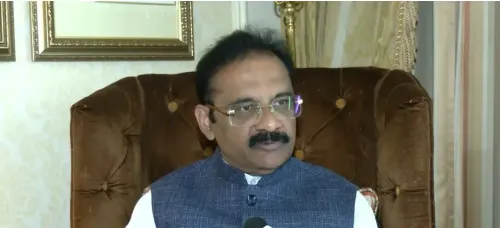
Manoj Mishra, Partner and Tax Controversy Management Leader at Grant Thornton Bharat, commented, “Any move to impose such tariffs will necessitate Congressional approval. This is expected to offer significant relief and a competitive edge to Indian exporters and may also facilitate potential refunds for tariffs collected without sufficient legal justification.”
Nevertheless, experts anticipate that the US will maintain reliance on sector-specific tariffs under Section 232 for strategic industries, highlighting the necessity for advancing the bilateral trade agreement to ensure long-term tariff stability and consistent market access for Indian exporters.
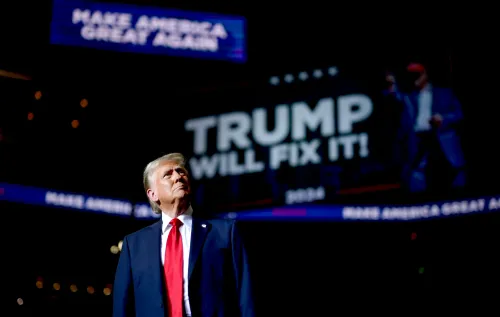
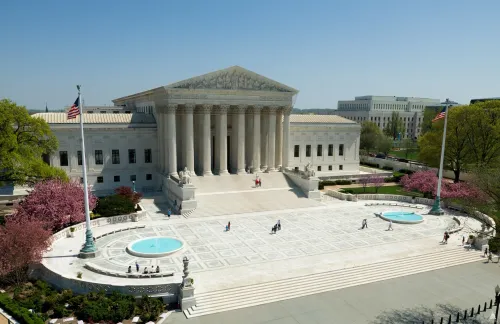
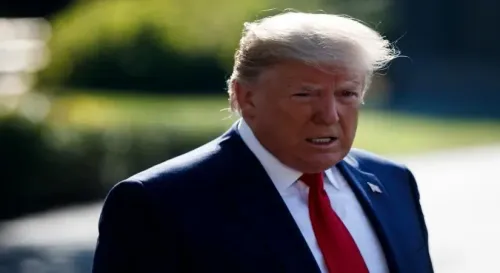
In a significant blow to the economic agenda of President Donald Trump, the US Supreme Court ruled on Friday that he lacked the authority under a 1977 emergency law to impose extensive import tariffs on global trading partners, including India.
This ruling represents a rare instance of the conservative-led court limiting Trump's executive power. As reported by POLITICO, the court's 6-3 decision to overturn the tariffs is described as “a major repudiation of a core element of Trump’s economic strategy.”
Chief Justice John Roberts, authoring the majority opinion, stated: “The President claims the exceptional power to unilaterally impose tariffs without restrictions on amount, duration, or scope. Given the extensive, historical, and constitutional context of that claimed power, he must have explicit Congressional authorization to exercise it.”
Roberts further added that the 1977 law upon which Trump relied “is insufficient” for the needed Congressional approval.
Point of View
It's evident that the balance of power in trade agreements is shifting. The Supreme Court's decision serves as a reminder that unilateral actions must be backed by Congressional approval, highlighting the importance of collaborative trade policies. As we navigate these changes, it is crucial for India to strengthen its trade agreements to ensure stable market access and tariff certainty.
NationPress
19 Sept 2026
Frequently Asked Questions
What was the US Supreme Court's ruling about?
The US Supreme Court ruled against unilateral reciprocal tariffs, providing legal clarity and reducing tariff uncertainty for India.
How does this ruling impact Indian exporters?
This ruling is expected to provide relief and a competitive edge to Indian exporters, while also allowing for potential refunds of previously collected tariffs.
Will the US still impose tariffs?
Yes, the US is anticipated to continue using sector-specific tariffs under Section 232 for strategic sectors.
What does this mean for US-India trade relations?
The ruling emphasizes the need for advancing bilateral trade agreements to ensure stable tariff conditions and market access for Indian exporters.