Could the US Supreme Court Ruling Lead to Over $150 Billion in Refunds?
Synopsis
The US Supreme Court's recent ruling has opened the door for discussions on potentially refunding over $150 billion in tariffs. Industry experts weigh in on the implications for businesses and the future of US trade policies. Could this decision reshape international trade dynamics?
Key Takeaways
The US Supreme Court ruling raises questions about tariff refunds.
Over $150 billion in tariff collections may be at risk.
The repayment process could be chaotic for businesses.
This ruling may reshape future US trade enforcement strategies.
Trump's approach to tariffs faced significant legal challenges.
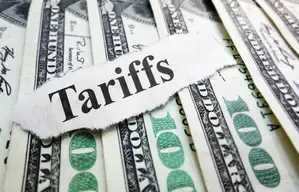
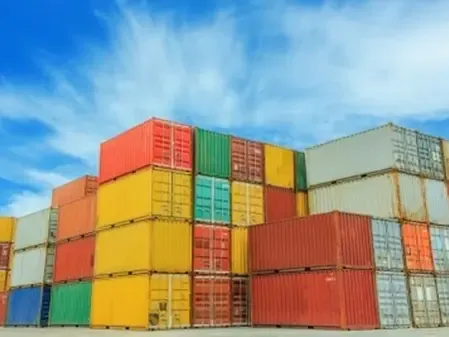
New Delhi, Feb 20 (NationPress) Experts in the industry indicated on Friday that the ruling by the US Supreme Court against reciprocal tariffs raises significant questions regarding the potential for importers to obtain refunds for tariffs that were collected under the International Emergency Economic Powers Act (IEEPA).
Economists project that between $150 billion and $175 billion in tariff collections could be at risk if refunds are mandated.
Justice Brett Kavanaugh, in the court's decision, stated that, “nothing today about whether, and if so how, the government should go about returning the billions of dollars that it has collected from importers.”
The process for repayment could prove to be disorganized, according to experts.
Importers may experience uncertainty regarding refunds, while exporters could gain from a possible repeal of unlawful tariffs. Analysts suggest that this ruling has the potential to redefine future US trade enforcement, lessening the unilateral application of emergency economic powers.
The decision also highlights the legal intricacies of Trump’s strategy, which combined broad “reciprocal” tariffs on trading partners with specific duties associated with immigration and drug issues, demonstrating the administration’s vigorous use of trade mechanisms to fulfill foreign policy objectives.
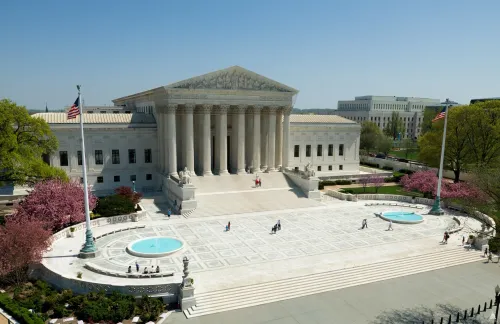
Previously, the Supreme Court invalidated President Donald Trump’s extensive reciprocal tariff policies, ruling that the executive branch overstepped its constitutional authority by employing emergency powers to impose broad import duties.
The judges ruled 6-3 that Trump’s assertive tariff strategy on goods entering the United States was not sanctioned under the 1977 law known as the IEEPA.
This ruling nullifies many of Trump’s tariffs, although not all. He is anticipated to seek to reapply some tariffs through different legal means.
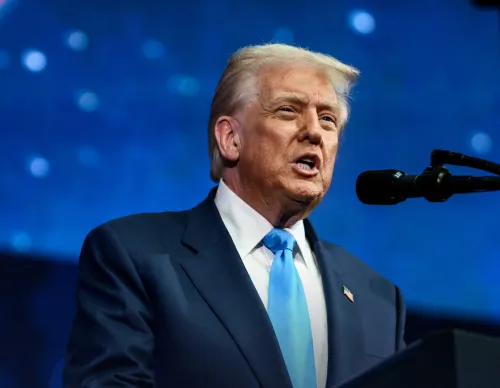
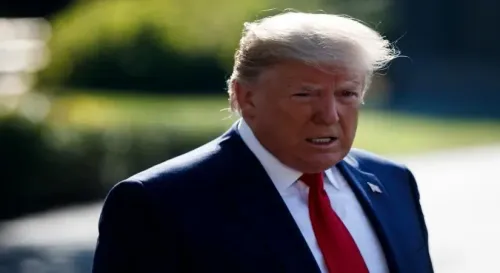
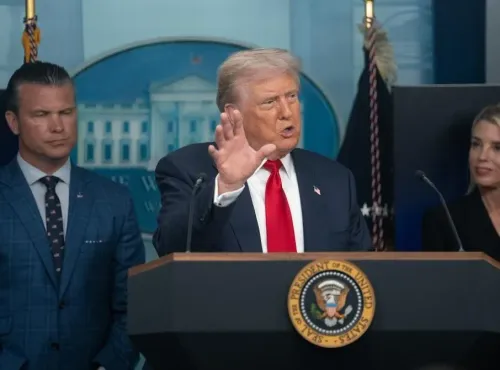
Trump expressed his outrage, labeling the judgment a “disgrace” after learning of it during a meeting with governors. He also mentioned having a contingency plan, according to reports from US media.
This verdict is viewed as a substantial setback for the Trump administration, especially in a Supreme Court that maintains a 6-3 conservative majority.
Businesses that contested the tariffs in court and were compelled to pay them welcomed the Supreme Court’s ruling.
Point of View
It's essential to understand that the recent Supreme Court ruling represents a significant shift in US trade policy. The potential for refunds could not only impact the financial landscape for businesses but also redefine the government's approach to tariffs. This development warrants close attention as it unfolds.
NationPress
30 Sept 2026
Frequently Asked Questions
What is the US Supreme Court ruling about?
The ruling pertains to the legality of reciprocal tariffs imposed under the International Emergency Economic Powers Act (IEEPA) and the potential for importers to receive refunds.
How much money is potentially at risk for refunds?
Economists estimate that between $150 billion and $175 billion in tariff collections may be at risk if refunds are mandated.
What does the ruling indicate about future trade policies?
The ruling could reshape future US trade enforcement, potentially reducing the unilateral use of emergency economic powers.
What did Justice Kavanaugh say in the ruling?
Justice Kavanaugh remarked that the ruling did not address how the government should return the billions of dollars collected from importers.
How did Trump react to the ruling?
Trump called the judgment a 'disgrace' and mentioned having a backup plan following the decision.