Trump expands Cuba sanctions, targets energy, banking and defence sectors
Synopsis
Trump's latest Cuba executive order goes beyond asset freezes — it weaponises the global banking system against Havana. By imposing secondary sanctions on foreign financial institutions, Washington is signalling that any bank doing business with Cuba-linked entities risks losing US market access, a move that could ripple well beyond the Caribbean.
Key Takeaways
President Trump signed an executive order on 2 May expanding sanctions on the Cuban government .
The order blocks property and interests of those operating in Cuba's energy, defence, metals and mining, financial services, and security sectors .
Secondary sanctions now target foreign financial institutions that conduct transactions with Cuba-linked sanctioned parties.
The Secretary of the Treasury can designate additional Cuban economic sectors for sanctions at discretion.
The US has maintained a comprehensive trade embargo against Cuba since February 1962 — over 60 years .
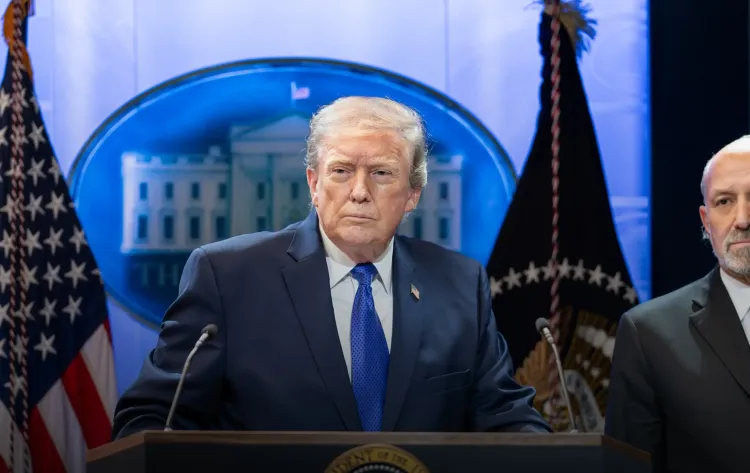
US President Donald Trump on 2 May signed an executive order significantly expanding sanctions on the Cuban government, blocking all property and interests held by targeted individuals and entities within US jurisdiction. The move extends Washington's decades-old economic pressure campaign against Havana into new sectors and introduces secondary sanctions targeting foreign financial institutions.
What the Executive Order Covers
The order blocks all property and interests in property — within the United States or under the control of US persons — belonging to those who operate or have operated in Cuba's energy, defence, metals and mining, financial services, or security sectors. The Secretary of the Treasury, in consultation with the Secretary of State, has been granted authority to expand this list to additional sectors of the Cuban economy as deemed necessary.
The order also captures those who own or control, directly or indirectly, any person whose property is already blocked under its provisions — effectively widening the net to include holding structures and intermediaries.
Secondary Sanctions on Global Banks
In a significant escalation, the order imposes secondary sanctions on foreign individuals, entities, and financial institutions that conduct or facilitate transactions with those already sanctioned for ties to Cuba. This means that non-US banks and businesses that continue dealing with blacklisted Cuban-linked parties now face the risk of being cut off from the US financial system.
The Secretary of State and the Secretary of the Treasury have both been authorised to take all actions necessary to implement and enforce the order — giving the administration broad discretionary power in its application.
Six Decades of Sanctions
The United States has maintained sanctions against Cuba for over 60 years, with a comprehensive trade embargo officially instituted in February 1962. The sanctions regime has been tightened and marginally eased at various points since, most notably during the Obama administration's brief diplomatic thaw between 2014 and 2016, which was subsequently rolled back under Trump's first term.
This latest executive order represents one of the more structurally significant expansions in recent years, given its explicit targeting of the global banking system's exposure to Cuba.
What Comes Next
Implementation details, including any additional sector designations, are expected to be issued by the Treasury and State Departments in the coming weeks. Foreign governments and multinational financial institutions with Cuban business exposure will be closely watching for guidance on compliance timelines and the scope of secondary sanctions enforcement.
Point of View
Washington is effectively outsourcing enforcement to the global financial system — a playbook it has used against Iran and Russia. The question is whether this accelerates Cuba's pivot toward non-dollar trade networks, as Iran did, rather than producing the political change Washington seeks. Six decades of embargo have not achieved regime change; this expansion doubles down on a strategy with a contested track record.
NationPress
2 May 2026
Frequently Asked Questions
What did Trump's Cuba executive order do?
President Trump signed an executive order on 2 May expanding US sanctions on Cuba, blocking the property and assets of individuals and entities operating in Cuba's energy, defence, metals and mining, financial services, and security sectors. It also introduces secondary sanctions on foreign financial institutions that facilitate transactions with Cuba-linked sanctioned parties.
What are secondary sanctions and why do they matter?
Secondary sanctions penalise non-US individuals, companies, and banks that do business with already-sanctioned parties — even if those transactions have no direct US nexus. In this case, foreign banks that conduct significant transactions on behalf of Cuba-linked entities risk being cut off from the US financial system, a powerful deterrent given the dollar's global role.
Which sectors of Cuba's economy are targeted?
The order explicitly targets those operating in Cuba's energy, defence and related materiel, metals and mining, financial services, and security sectors. The Secretary of the Treasury has authority to add further sectors in consultation with the Secretary of State.
How long has the US maintained sanctions on Cuba?
The United States has maintained sanctions against Cuba for over 60 years, with a comprehensive trade embargo officially instituted in February 1962. The regime has been periodically tightened or eased, including a brief diplomatic thaw under the Obama administration that was later reversed.
Who is responsible for implementing the new sanctions order?
The Secretary of State and the Secretary of the Treasury have both been authorised to take all actions necessary to implement and enforce the executive order, including designating additional sectors and issuing compliance guidance to affected parties.