US Kidney Care Challenges: A Global Health Warning
Synopsis
As kidney disease cases surge in the United States, lawmakers highlight critical gaps in prevention and innovation, raising alarms about potential global health repercussions. This discussion underscores the urgent need for improved awareness and access to care.
Key Takeaways
15% of American adults have some form of CKD.
Over 800,000 patients live with ESRD.
Only 15% of ESRD patients receive home treatment.
High mortality rates persist in dialysis patients.
Urgent need for early detection and innovation in kidney care.
Washington, March 20 (NationPress) Amid the escalating cases of kidney disease and soaring treatment expenses in the United States, lawmakers have expressed concern that deficiencies in prevention and innovation may adversely affect the global healthcare landscape.
During a Congressional hearing on Thursday, lawmakers and medical professionals illustrated a troubling scenario of a healthcare system under immense pressure, characterized by late diagnoses, limited innovations, and inconsistent access to care, which collectively contribute to unsatisfactory health outcomes.
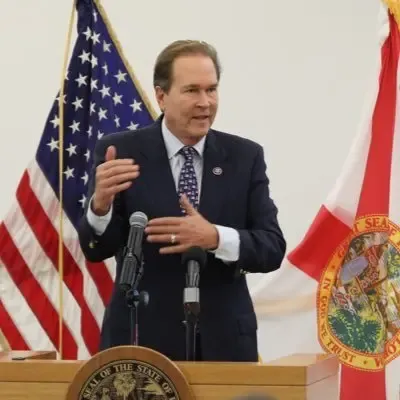
“Fifteen percent of adults in America are affected by some type of chronic kidney disease (CKD), and over 800,000 individuals are living with end-stage renal disease (ESRD),” stated Chairman Vern Buchanan, adding that “over 500,000 of these patients” undergo multiple hours of dialysis each week.
He emphasized the gravity of the issue, pointing out that “nearly 60 percent of patients pass away within five years of initiating dialysis.”
The financial implications are also severe. Although kidney disease represents a small fraction of patients, it significantly impacts Medicare expenditures. Buchanan noted that these patients constitute “only 1 percent of the Medicare demographic” yet account for a disproportionate share of costs.
Experts indicated that the crisis is exacerbated by failures in early detection. Dr. Suzanne Watnick informed lawmakers that “nine out of ten Americans with kidney disease… are unaware of their condition,” underscoring the disease's silent progression.
She cautioned that outcomes remain bleak due to a lack of investment. “More than half of those who commence dialysis today are unlikely to survive beyond five years,” she remarked, asserting that advancements in kidney care have not kept pace with other medical fields.
Patient experiences underscored the urgency of the discussion. Ashli Littleton, who has dealt with kidney failure for several years, remarked, “Dialysis is the reason I am alive.”
She recounted the absence of early awareness and guidance. “Many patients are making life-altering choices without fully understanding their available options,” she stated, advocating for improved education and support.
Littleton shared that transitioning to home treatment has significantly enhanced her quality of life. “Home dialysis has enabled me to live my life with dignity, independence, and flexibility,” she expressed.
Lawmakers across the aisle emphasized the necessity to broaden home-based care. Congressman Jason Smith pointed out that only “15 percent of all ESRD patients in this nation receive home treatment,” labeling it a missed chance for better outcomes.
Doctors identified a lack of awareness as a significant obstacle. Dr. Robert Taylor noted that many patients are not informed about alternative treatments. “She was entirely unaware that home dialysis was an option,” he stated, referencing Littleton’s situation.
In addition to access issues, policy challenges were highlighted as a major concern. Industry leaders contended that current payment models dissuade innovation.
“Medicare regulations are deterring investment where it’s most needed,” remarked John Butler, noting that the existing framework “hampers the adoption of new technologies.”
He cautioned that “there is nearly no funding allocated for innovation in dialysis care today,” despite alarming mortality rates.
Lawmakers also expressed worries regarding healthcare coverage and research funding. Congressman Lloyd Doggett stated that cuts to Medicaid and research initiatives “endanger patient health” and might lead to “fewer innovative therapies.”
There was a consensus that prevention should be prioritized. Dr. Watnick asserted, “We need to focus on early intervention. We want to prevent people from ever needing dialysis treatment.”
Experts pointed out that diabetes and hypertension are the leading causes of kidney disease, emphasizing the importance of early screenings, lifestyle adjustments, and ongoing care.
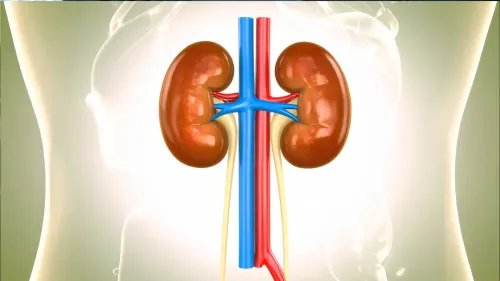
Kidney disease impacts over 37 million individuals in the United States and is one of the most expensive chronic conditions addressed under Medicare.
Point of View
Urgent action is required to enhance prevention strategies and improve patient outcomes.
NationPress
19 Sept 2026
Frequently Asked Questions
What percentage of American adults have CKD?
Fifteen percent of American adults are affected by some form of chronic kidney disease (CKD).
How many patients require dialysis?
More than 500,000 patients in the U.S. require multiple hours of dialysis each week.
What are the main causes of kidney disease?
Diabetes and high blood pressure are the leading causes of kidney disease.
What percentage of ESRD patients receive home treatment?
Only 15 percent of all ESRD patients in the U.S. are treated at home.
What is the survival rate for dialysis patients?
Nearly 60 percent of patients die within five years of starting dialysis.