US Seeks Global Support for Russian Oil Amid Iran Tensions
Synopsis
Iran has accused the US of hypocrisy for urging nations, including India, to buy Russian oil after previously pressuring them to avoid it. This shift comes amid rising tensions with Iran that are affecting global energy markets.
Key Takeaways
Iran criticizes US hypocrisy over Russian oil policies.
US urges nations to purchase Russian crude amid rising energy prices.
Escalating tensions in the Middle East are impacting global oil markets.
India continues to engage with Iran despite US pressures.
Safe passage for Indian vessels through the Strait of Hormuz has been granted.
Tehran, March 14 (NationPress) On Saturday, Iran criticized the United States for its inconsistent stance regarding Russian oil, claiming that Washington is now "pleading" with nations to purchase the same crude it previously sought to restrict through sanctions and pressure.
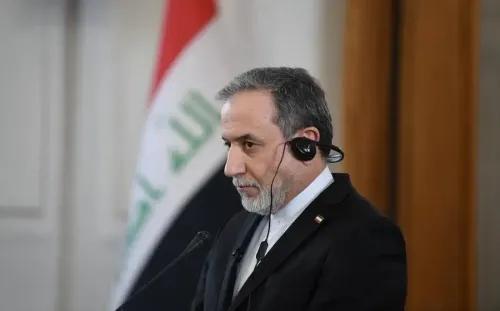
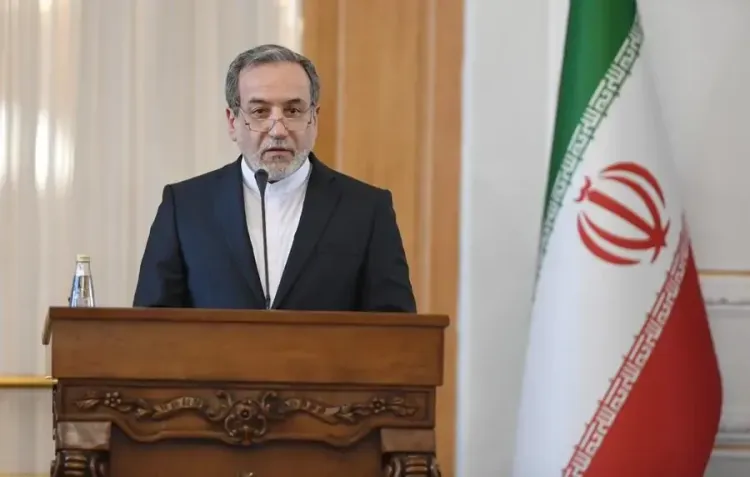
In a post on X, Iran's Foreign Minister, Abbas Araghchi, accused the US of spending considerable time pressuring India to stop its imports of Russian oil, only to change its approach amid disruptions in global energy markets due to rising tensions with Iran.
"The US has spent months intimidating India into ceasing oil imports from Russia," Araghchi stated. "After just two weeks of conflict with Iran, the White House is now pleading with the world—including India—to buy Russian crude."
He also criticized European nations, alleging that they supported what he termed an "illegal war" against Iran, hoping that such backing would secure greater US support in their ongoing conflict with Russia.
"Europe believed that supporting an illegal war against Iran would earn them US favor against Russia. Pathetic," Araghchi remarked in the same post.
The Iranian foreign minister shared his comments alongside a headline from the Financial Times, which reported that the rise in global oil prices is significantly increasing Russia's revenue.
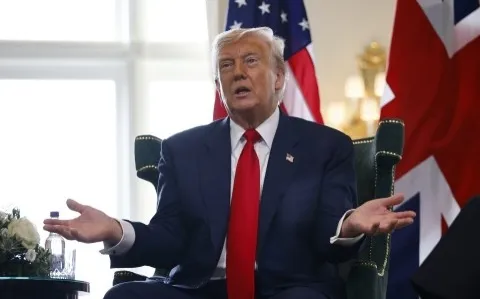
These remarks followed the Trump administration's announcement on Thursday of a 30-day waiver permitting nations to procure certain Russian oil shipments that are currently stranded at sea.
This measure was introduced to mitigate fluctuations in global energy markets after crude prices surged over $100 per barrel amid escalating tensions in the Middle East.
The waiver was announced as benchmark oil prices surpassed the $100 per barrel mark due to supply disruptions related to the conflict and Iran's decision to close the Strait of Hormuz—a crucial maritime pathway for a substantial portion of global oil shipments.
According to the US Treasury Department, this temporary license allows the delivery and sale of Russian crude oil and petroleum products that had already been loaded onto vessels as of March 12, remaining valid until midnight Washington time on April 11.
This recent action follows a similar 30-day waiver issued on March 5, which allowed India to acquire Russian oil cargoes that were stuck at sea, granting importers limited flexibility to secure supplies during the ongoing crisis.
In light of the disruptions, Iran has now permitted safe passage for Indian-flagged vessels through the Strait of Hormuz, despite the broader restrictions on global shipping; an LPG tanker heading to India successfully traversed the Strait of Hormuz on Friday.
This development comes after a series of high-level diplomatic discussions between India and Iran, including phone calls between External Affairs Minister S. Jaishankar and Iranian Foreign Minister Abbas Araghchi.
Prime Minister Narendra Modi also held a conversation with Iranian President Masoud Pezeshkian on Thursday to assess the rapidly changing circumstances in the West Asia region.
Point of View
The situation highlights the complexities of international relations and energy markets, reflecting a rapidly changing political landscape where nations must navigate their interests amidst conflicting pressures.
NationPress
30 Sept 2026
Frequently Asked Questions
Why did Iran accuse the US of double standards?
Iran claims the US is hypocritical for pressuring countries to stop buying Russian oil, only to ask them to purchase it later due to rising energy prices and geopolitical tensions.
What recent actions did the US government take regarding Russian oil?
The US announced a 30-day waiver allowing countries to buy certain stranded Russian oil cargoes amid surging oil prices linked to Middle East tensions.
How has India responded to the situation?
India has maintained its position in importing Russian oil despite US pressures, and recent diplomatic engagements with Iran indicate a continued partnership.
What impact does the conflict have on global oil prices?
The ongoing conflict and disruptions in the Strait of Hormuz have contributed to oil prices exceeding $100 per barrel, affecting global energy markets significantly.
What are the implications of Iran granting safe passage to Indian vessels?
Iran's decision to allow Indian-flagged vessels to pass through the Strait of Hormuz signals a willingness to maintain trade relations, despite broader shipping restrictions.