Operation Epic Fury: US Targets 6,000 Locations, Hits 90 Iranian Vessels
Synopsis
In a bold military campaign, the United States has executed strikes on approximately 6,000 targets within Iran, severely impacting over 90 of its naval vessels. This operation aims to dismantle Iran's military infrastructure and enhance regional security.
Key Takeaways
U.S. has struck approximately 6,000 targets in Iran.
More than 90 Iranian vessels have been impacted.
The operation focuses on dismantling military and security infrastructure.
Various U.S. military assets, including bombers and drones, are being deployed.
The operation highlights U.S. commitment to regional security.
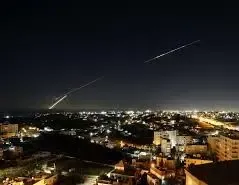
Washington, March 12 (NationPress) The United States has targeted approximately 6,000 locations in Iran, damaging or eliminating more than 90 Iranian vessels, including over 60 ships and at least 30 minelayers, as part of the ongoing Operation Epic Fury, according to a U.S. military fact sheet released on Wednesday.
This military operation commenced at 1:15 a.m. on February 28, initiated by the U.S. Central Command (CENTCOM) under the President's directive. The operation aims to dismantle the military and security framework of the Iranian regime.
“CENTCOM forces are conducting strikes to dismantle the Iranian regime's security system, focusing on sites deemed to present an immediate threat,” the fact sheet states.
The campaign has targeted various Iranian military sites, including command and control centers, headquarters of the Islamic Revolutionary Guard Corps (IRGC), intelligence facilities, and integrated air defense systems.
Additionally, ballistic missile sites and drone production facilities have also been engaged. The list of targets includes weapons manufacturing plants, surface-to-air missile sites, and military communication assets.
Naval infrastructure and maritime capabilities also remain a significant focus of this operation.
According to the document, more than 90 Iranian vessels have been affected, which encompasses over 60 ships and at least 30 minelayers.
The targets consist of Iranian navy vessels, submarines, anti-ship missile sites, and facilities related to minelaying operations, including factories and storage facilities.
The fact sheet indicates that a wide range of U.S. military assets have been utilized across air, sea, and missile defense operations.
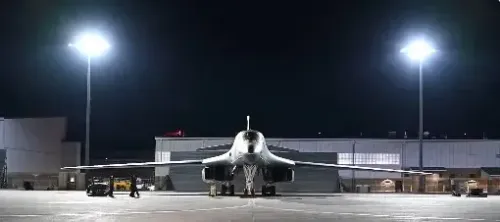
Aircraft involved in the campaign include B-1, B-2, and B-52 bombers, alongside fighter jets such as the F-15, F-16, F-18, F-22, and F-35. Attack aircraft like the A-10 and electronic warfare platforms including the EA-18G have also been deployed.
Surveillance and reconnaissance have been conducted using platforms like the U-2 Dragon Lady, RC-135 reconnaissance aircraft, and P-8 maritime patrol aircraft.
Unmanned systems, including MQ-9 Reaper and LUCAS drones, are also part of this operation.
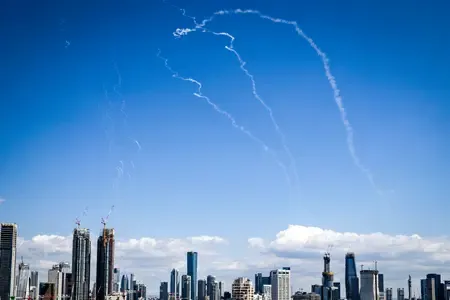
The campaign has additionally relied on missile defense systems, comprising Patriot interceptor missile systems and THAAD anti-ballistic missile systems.
Ground-based strike assets such as the M-142 High Mobility Artillery Rocket Systems (HIMARS) are also among the resources deployed.
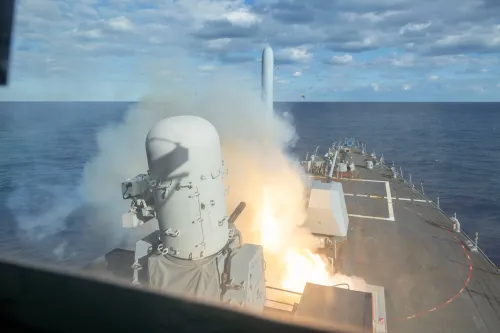
Naval support consists of nuclear-powered aircraft carriers, guided-missile destroyers, and refueling vessels. Airborne command and communication support has been provided by aircraft such as the E-2D Advanced Hawkeye and airborne relay systems.
Logistical support includes refueling tanker aircraft and cargo planes like the C-17 Globemaster and C-130, along with specialized electronic warfare platforms such as the EC-130H Compass Call.
Point of View
It's crucial to report that the U.S. military's ongoing Operation Epic Fury marks a pivotal moment in regional geopolitics. The extensive targeting of Iranian military infrastructure signals a commitment to counter perceived threats, raising questions about future diplomatic relations and regional stability.
NationPress
10 Oct 2026
Frequently Asked Questions
What is Operation Epic Fury?
Operation Epic Fury is a military campaign launched by the U.S. aimed at dismantling the Iranian regime’s military and security infrastructure, targeting a range of installations.
How many Iranian vessels have been affected?
More than 90 Iranian vessels have been damaged or destroyed, including over 60 ships and at least 30 minelayers.
What type of military assets are being used?
The operation has utilized a variety of U.S. military assets, including bombers, fighter jets, unmanned systems, and missile defense systems.
When did the operation begin?
Operation Epic Fury commenced at 1:15 a.m. on February 28.
What are the goals of the operation?
The primary goal is to dismantle the Iranian military's capability and reduce threats to U.S. interests and allies in the region.