U.S. Military Operation Targets Over 5,000 Sites in Iran
Synopsis
In a bold move, the U.S. has launched a military operation, Epic Fury, striking over 5,000 targets in Iran within just ten days, aiming to dismantle the nation's security framework. Discover the details of this extensive campaign.
Key Takeaways
Operation Epic Fury launched by the U.S. targets Iranian military sites.
Over 5,000 targets have been hit in the first ten days.
The campaign utilizes a diverse range of military assets .
Focus on dismantling Iran's security infrastructure .
Significant naval and air support enhances operational capabilities.
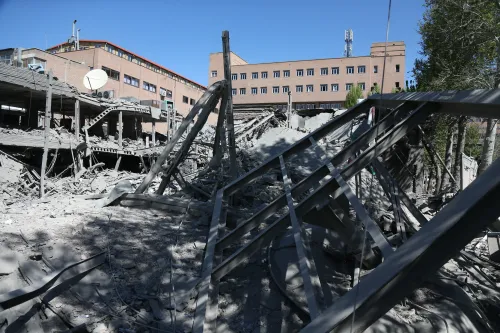
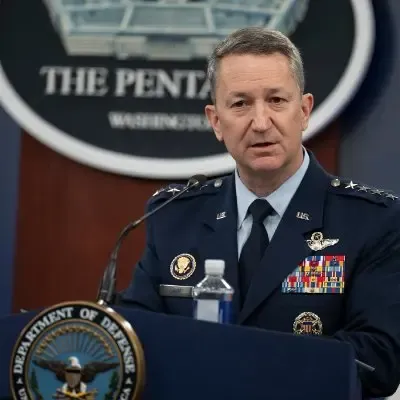
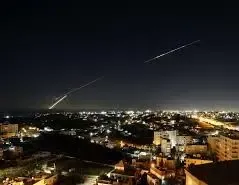
Washington, March 10 (NationPress) In a significant escalation, the United States has targeted over 5,000 locations throughout Iran within the initial ten days of an extensive military operation designed to dismantle the nation’s security framework, as reported by the US Central Command.
The operation, dubbed Epic Fury, commenced at 1:15 a.m. on February 28, 2026, utilizing a diverse array of American air, naval, and missile systems to strike Iranian military capabilities nationwide.
As per US Central Command, this campaign was initiated under the orders of the President of the United States, with directives to target facilities associated with the Iranian regime’s security apparatus and sites posing immediate threats.
Operational reports indicate that the campaign has successfully hit over 5,000 targets, with approximately 50 Iranian vessels either damaged or destroyed in the opening ten days of conflict.
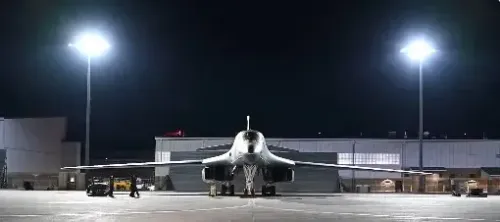
The operation employs a comprehensive mix of American military assets, including long-range bombers such as the B-1, B-2, and B-52 bombers, alongside advanced fighter jets like the F-15, F-16, F-18, F-22, and F-35 stealth fighters.
Additionally, attack aircraft such as the A-10 and electronic warfare platforms like the EA-18G are actively participating in the operation.
Critical support is being provided by intelligence and surveillance aircraft, including the U-2 Dragon Lady, RC-135 reconnaissance aircraft, and P-8 maritime patrol aircraft, which assist in tracking military targets and monitoring Iranian actions.
Unmanned aerial systems also play a crucial role in the campaign, featuring MQ-9 Reaper drones and LUCAS drones, which facilitate both surveillance and strike operations.
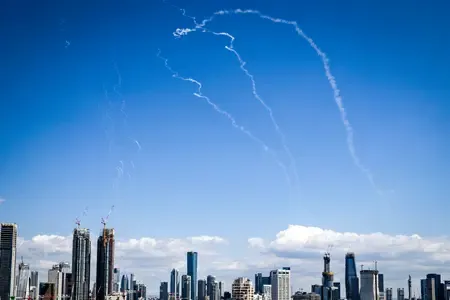
Furthermore, missile defense systems such as the Patriot interceptor missile systems and THAAD anti-ballistic missile systems are deployed to protect US forces and allied assets in the area.
The operation's naval component is bolstered by nuclear-powered aircraft carriers and guided-missile destroyers, which support the air campaign, while refueling ships enable extended operations.
Logistical support is provided by aircraft such as the C-17 Globemaster and C-130, which transport necessary equipment and supplies to sustain this large-scale military initiative.
The targeted sites encompass a wide spectrum of Iranian military installations, including command and control centers, Islamic Revolutionary Guard Corps headquarters, intelligence facilities, and integrated air defense systems.
Additional targets comprise ballistic missile sites, anti-ship missile positions, Iranian naval vessels, military communication systems, and facilities linked to ballistic missile and drone manufacturing, as per the CENTCOM operational overview.
Other systems aiding the campaign include counter-drone technology, airborne early warning aircraft, communication relay platforms, and counter-rocket, artillery, and mortar defense systems, underscoring the scale of the operation.
The operational summary hints at the inclusion of “special capabilities we can’t disclose,” indicating the potential use of classified systems.
Point of View
The recent military actions led by the U.S. signify a pivotal moment in international relations. With a focus on national security, the operation underscores the complex dynamics between the U.S. and Iran, reflecting the broader geopolitical tensions in the region.
NationPress
30 Sept 2026
Frequently Asked Questions
What is Operation Epic Fury?
Operation Epic Fury is a U.S. military campaign that began on February 28, 2026, aimed at dismantling Iran's security infrastructure by targeting over 5,000 military sites.
How many targets have been struck in Iran?
As of now, the United States has successfully struck more than 5,000 targets across Iran.
What types of military assets are involved in the operation?
The operation involves a range of military assets, including long-range bombers, advanced fighter jets, attack aircraft, and unmanned systems.
What are the main objectives of the U.S. campaign?
The primary objectives are to dismantle Iran's security framework and target facilities linked to the Iranian regime that pose imminent threats.
What additional systems are supporting the operation?
The operation is supported by missile defense systems, intelligence and surveillance aircraft, and naval power.