U.S. Military Operation Strikes Over 1,700 Targets in Iran
Synopsis
In just 72 hours, the U.S. military has targeted more than 1,700 sites in Iran under Operation Epic Fury, marking a significant escalation in military engagement. The White House asserts that victory is assured against what they label a terrorist regime.
Key Takeaways
Over 1,700 sites targeted in Iran within 72 hours.
Operation Epic Fury marks a significant military escalation.
U.S. objectives include dismantling missile capabilities and naval forces.
Congress seeks detailed explanations of military strategy and implications.
Strait of Hormuz is crucial for global oil trade and security.
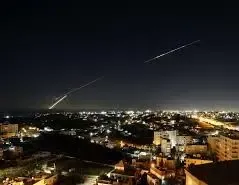
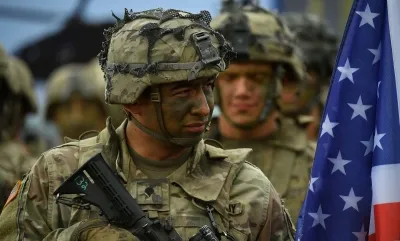
Washington, March 3, (NationPress) The United States has engaged in an extensive military operation, targeting "more than 1,700" locations throughout Iran within the first 72 hours of Operation Epic Fury. This initiative involves bombers, fighter jets, and missile systems, marking one of the most significant military offensives in recent history. The White House has asserted that “America will prevail” and that “the Iranian regime, labeled as terrorists, will be vanquished.”
The operation commenced at “1:15 am on February 28, 2026,” as detailed in a Pentagon fact sheet named Operation Epic Fury — Initial 72 Hours. U.S. Central Command initiated the operation at the President's directive, aiming to dismantle the Iranian regime’s security framework, focusing on sites that present an immediate threat.
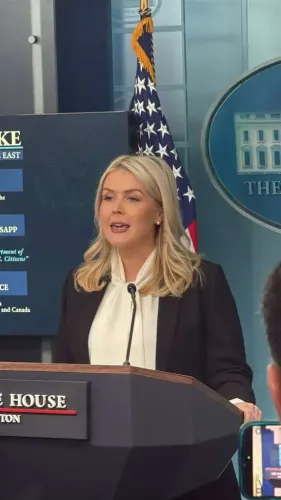
The White House enumerated four primary objectives for this military action: “Destroy the Iranian regime's missile capabilities,” “Annihilate their naval forces,” “Prevent their terrorist affiliates from causing global instability,” and “Ensure Iran can NEVER acquire nuclear weapons.” The administration reiterated: “America will come out victorious. The Iranian terrorist regime will be defeated.”
CENTCOM reported that the Iranian regime is “utilizing mobile launchers to indiscriminately fire missiles, aiming to maximize regional destruction.” The statement emphasized: “U.S. forces are actively eliminating these threats without hesitation or regret.”
The Pentagon's documentation indicated “Target Location: Iran” and “Targets Engaged: Over 1,700.” This operation unfolds within the CENTCOM Area of Responsibility.
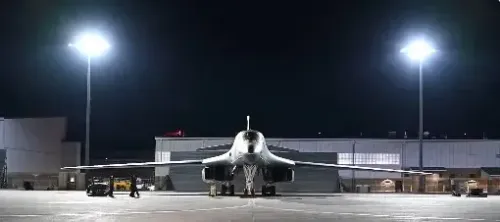
The scale of the military assets deployed underscores the magnitude of the operation, featuring B-1, B-2, and B-52 bombers. Fighter jets involved include F-15, F-16, F-18, F-22, and F-35. Additionally, A-10 attack jets, EA-18G electronic warfare aircraft, and airborne early warning systems have been utilized.
Missile defense systems employed include Patriot interceptor missiles and THAAD anti-ballistic missile systems. The fact sheet also mentioned MQ-9 Reapers, M-142 High Mobility Artillery Rocket Systems, nuclear-powered aircraft carriers, guided-missile destroyers, and “special capabilities that remain undisclosed!”
The targets of the strikes encompass “Command and Control Centers,” “IRGC Joint Headquarters,” “IRGC Aerospace Forces Headquarters,” “Integrated Air Defense Systems,” “Ballistic Missile Sites,” “Iranian Navy Vessels,” “Iranian Submarines,” “Anti-Ship Missile Installations,” and “Military Communication Assets.”
As military operations continue, senior House Democrats have sought comprehensive answers from the administration.
In a letter dated March 2 to national security officials, lawmakers articulated: “The decision to initiate or escalate military conflict is among the most serious responsibilities entrusted to our government.” They added: “Several of our courageous service members have already perished in this conflict.”
The letter emphasized that Congress and the American public deserve “clear objectives, legal justification, and a well-defined strategy.” It called for a classified briefing to address “strategy, intelligence, legal reasoning, and long-term repercussions in precise terms.”
Lawmakers requested clarification on “Imminent Threat Justification,” “Strategic Objectives and Victory,” “Regime Change,” “Nuclear Security,” risks to the “Strait of Hormuz and Maritime Security,” and the “Costs and Impacts on Munitions Inventories.”
Relations between the United States and Iran have been adversarial since 1979, primarily revolving around Iran’s nuclear ambitions, ballistic missile developments, and support for militant groups in the region.
The Strait of Hormuz is a pivotal chokepoint for global oil transportation. Any sustained disruption in this area could significantly impact energy prices and international markets.
Point of View
It is essential to recognize the complexities surrounding the U.S.-Iran relations. The recent military actions underscore a significant escalation in conflict, with both strategic military objectives and serious humanitarian implications at stake.
NationPress
2 Oct 2026
Frequently Asked Questions
What is Operation Epic Fury?
Operation Epic Fury is a U.S. military initiative targeting over 1,700 sites in Iran, launched to dismantle the Iranian regime's security apparatus.
When did Operation Epic Fury start?
Operation Epic Fury began at 1:15 am on February 28, 2026.
What are the objectives of the operation?
The main objectives include destroying Iran's missile capabilities, annihilating its naval forces, neutralizing terrorist proxies, and preventing Iran from obtaining nuclear weapons.
What types of military assets are being used?
The operation involves a range of military assets, including B-1, B-2, and B-52 bombers, F-15, F-16, and F-35 fighter jets, and various missile defense systems.
What has Congress requested regarding the operation?
Congress has requested clear objectives, legal justifications, and a defined strategy for the military operation in Iran.