CM Samrat Choudhary Hails Modi Govt on Poverty, Naxal Wins
Synopsis
Bihar CM Samrat Choudhary quoted PM Narendra Modi on 15 November 2026, citing the lifting of nearly 50 crore people from extreme poverty and decisive gains against Naxalism as defining achievements of new India's development and security journey.
Key Takeaways
Bihar Chief Minister Samrat Choudhary posted on 15 November 2026 , quoting PM Modi on two landmark governance claims.
The post cites lifting nearly 50 crore people out of extreme poverty as a historic achievement of the current government. 'Decisive success' against Naxalism and Maoist terror is presented as the second pillar of new India's development story.
The claim on poverty aligns directionally with NITI Aayog Multidimensional Poverty Index trends, though the exact cumulative figure is not independently verified.
Central government strategy since 2014 combined security operations with development spending in Left-Wing Extremism-affected districts , shrinking the Red Corridor over successive years.
Choudhary's amplification ties Bihar's governance narrative to Delhi's national scorecard, reinforcing the BJP's dual 'vikas aur suraksha' pitch.
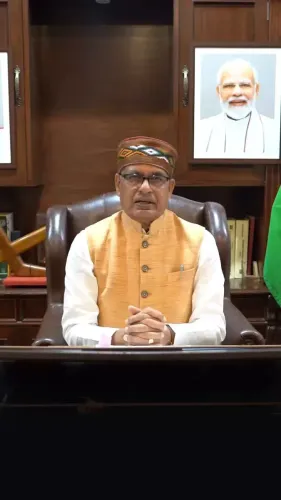
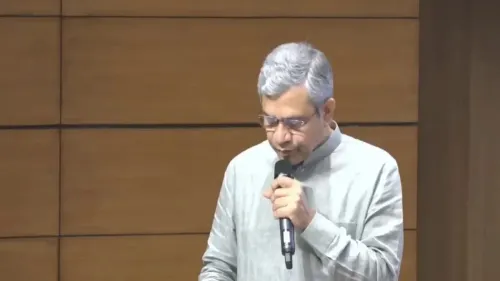
Two milestones — one measured in lives lifted, the other in threats silenced — are reshaping the story of modern India, and Bihar Chief Minister Samrat Choudhary wants that story told at full volume. On Sunday, 15 November 2026, the senior BJP leader took to X to amplify remarks attributed to Prime Minister Narendra Modi, framing poverty reduction and the near-defeat of Left-Wing Extremism as twin pillars of a 'new India.'
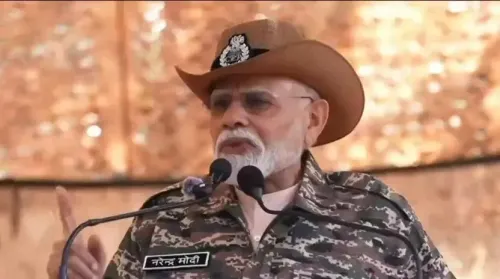
Choudhary quoted the Prime Minister directly: 'Lagbhag 50 crore logon ko bheeshaN gareebi se bahar nikalna aur Naxalvad evam Maovadi aatank ke viruddh nirnayak safalta haasil karna' — roughly, 'Lifting nearly 50 crore people out of extreme poverty and achieving decisive success against Naxalism and Maoist terror strengthens the resolve of new India's development journey and secure future.' The post carries the weight of a political claim and a governance report card rolled into one.
The poverty arithmetic behind the claim
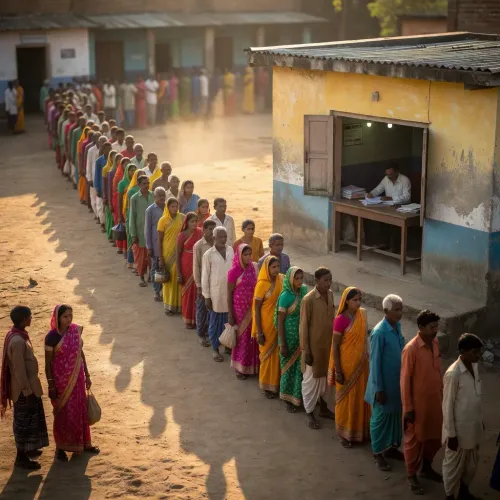
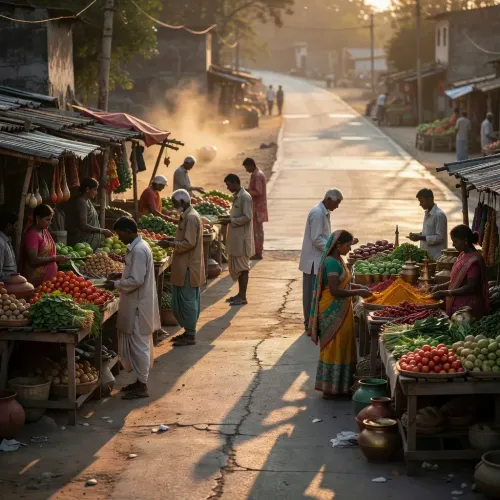
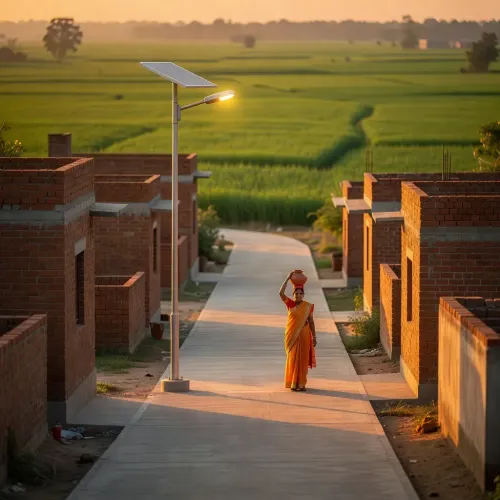
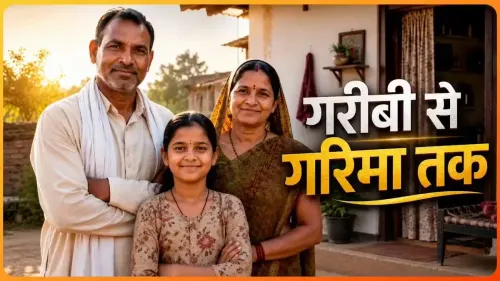
The figure of 50 crore — half a billion people — is a headline number that tracks broadly with the direction shown in NITI Aayog's Multidimensional Poverty Index reports, which documented sharp declines in poverty headcount across states in the years following 2014. Flagship programmes such as PM Garib Kalyan Anna Yojana (free grain to hundreds of millions) and Ujjwala Yojana (clean cooking fuel for rural households) form the scaffolding of that claim. The exact cumulative figure cited in the post falls outside independently verifiable public records at this date, but the directional trend — a significant reduction in multidimensional poverty — is consistent with official indices published over the past decade.
For Bihar specifically, the stakes are personal. The state has historically ranked among India's most poverty-intensive, making Choudhary's amplification of this narrative both a political endorsement and a local claim of progress.
From red corridors to receding threat
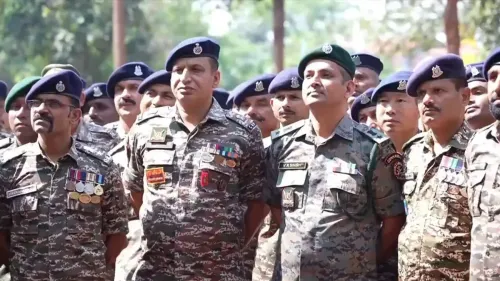
The second pillar — Naxalism — carries a different kind of weight. For decades, a swathe of eastern and central India known as the 'Red Corridor' saw chronic insurgency by Communist Party of India (Maoist) cadres, with attacks on security forces, infrastructure sabotage, and governance paralysis in affected districts. The central government's post-2014 strategy combined intensified security operations with accelerated development spending in Left-Wing Extremism (LWE)-affected districts — roads, mobile connectivity, banking access — to drain the insurgency of both its operational space and its social base.
Official metrics tracked the shrinkage: the number of LWE-affected police stations and districts listed by the Home Ministry declined steadily over successive years. Violence incidents and casualties — on both sides — trended downward. Whether the moment has crossed the threshold of 'decisive success,' as the Prime Minister's quoted words assert, is a characterisation that security analysts and affected communities will continue to debate. What is not in dispute is that the geography and intensity of the insurgency have contracted markedly.
Why Bihar's CM is amplifying this message now
Choudhary's choice to quote Modi rather than speak in his own voice is a deliberate political grammar — aligning Bihar's governance brand with Delhi's national scorecard. Bihar borders several historically LWE-affected states and has its own legacy of Maoist activity in districts like Gaya, Aurangabad, and Jamui. A narrative of containment and economic uplift plays directly to the state's development anxieties. By tethering both achievements to the Prime Minister's words, Choudhary reinforces BJP's dual 'vikas aur suraksha' (development and security) pitch ahead of any future electoral cycle.
The post, brief as it is, is essentially a two-line policy manifesto: welfare delivery and internal security as inseparable halves of the same governance promise. If the next NITI Aayog poverty index update or a Home Ministry LWE report substantiates these benchmarks with fresh data, this framing will gain even sharper electoral currency.
Point of View
The BJP continues to operationalise its 'development plus security' brand, which has proven durable across eastern India's electorate. The 50-crore figure, however, will face scrutiny when the next official poverty index is released — if the data holds, it becomes a powerful mandate argument; if it falls short, it becomes a liability. Watch how the government pre-positions this narrative ahead of any fresh NITI Aayog or UN-linked poverty assessment.
NationPress
15 Nov 2026
Frequently Asked Questions
What did Bihar CM Samrat Choudhary post about poverty and Naxalism?
On 15 November 2026, Choudhary quoted PM Modi claiming that nearly 50 crore people have been lifted from extreme poverty and that decisive success has been achieved against Naxalism and Maoist terror, calling these milestones of new India's development journey.
How many people has India lifted out of poverty according to this claim?
The post attributes a figure of nearly 50 crore (500 million) people lifted out of extreme poverty to PM Modi's statement. This figure tracks the direction shown in NITI Aayog's Multidimensional Poverty Index reports but has not been independently verified as a precise cumulative total.
What is the current status of Naxalism in India?
Since 2014, the central government's combined security-and-development strategy has significantly reduced the number of Left-Wing Extremism-affected districts and police stations. Violence incidents have declined, though security analysts continue to debate whether the threat has been fully neutralised.
What schemes contributed to India's poverty reduction?
Key schemes include PM Garib Kalyan Anna Yojana, which provides free grain to hundreds of millions, and Ujjwala Yojana, which extended clean cooking fuel to rural households — both documented in NITI Aayog's poverty index reports as contributors to declining headcount poverty.
Why is Bihar CM Samrat Choudhary amplifying these national achievements?
Bihar has historically been among India's most poverty-intensive states and borders LWE-affected regions. By aligning with PM Modi's national scorecard, Choudhary reinforces Bihar's connection to the BJP's 'vikas aur suraksha' (development and security) governance brand.