CM Sai Leads Janjatiya Gaurav Diwas 2026 at Dharamjaigarh
Synopsis
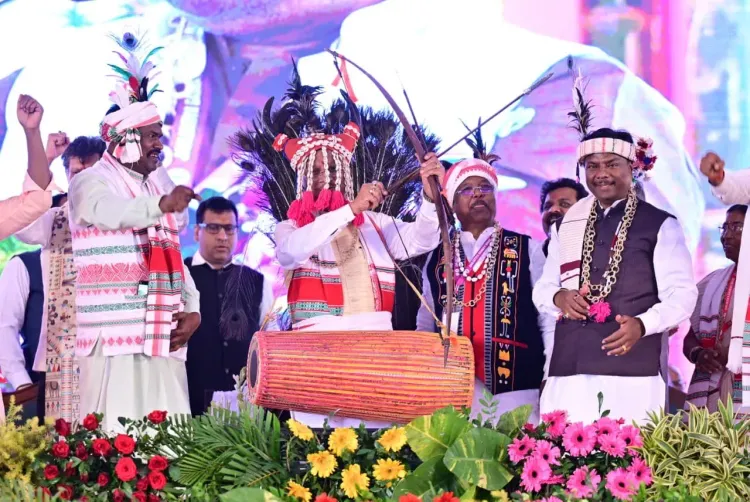
Chhattisgarh CM Vishnu Deo Sai marked Janjatiya Gaurav Diwas 2026 at Dharamjaigarh on 15 November, honouring tribal freedom fighters and cultural heritage, with BJP National President Nitin Navin joining virtually and PM Modi's tribal welfare agenda as backdrop.
Key Takeaways
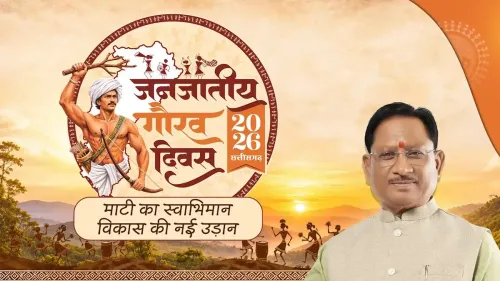
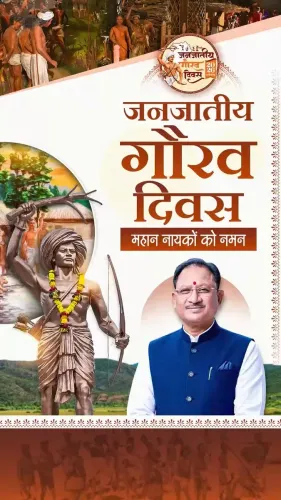
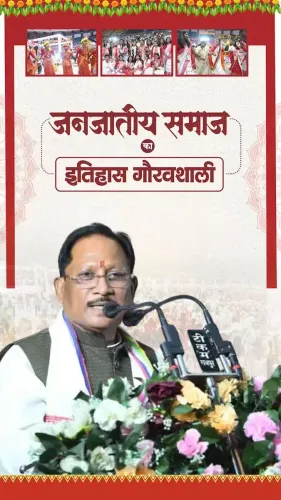
Janjatiya Gaurav Diwas 2026 was observed on 15 November at Dharamjaigarh , Chhattisgarh, led by CM Vishnu Deo Sai .
BJP National President Nitin Navin participated virtually in the state-level event.
The national observance was instituted in 2021 on the birth anniversary of tribal hero Birsa Munda .
Chhattisgarh is one of India's states with the largest tribal populations and regularly hosts such observances.
CM Sai reaffirmed the government's commitment to tribal welfare under PM Narendra Modi's guidance, citing ongoing cultural preservation and development work.
The event linked symbolic tribute with policy instruments including the Vanbandhu Kalyan Yojana and PVTG programmes .
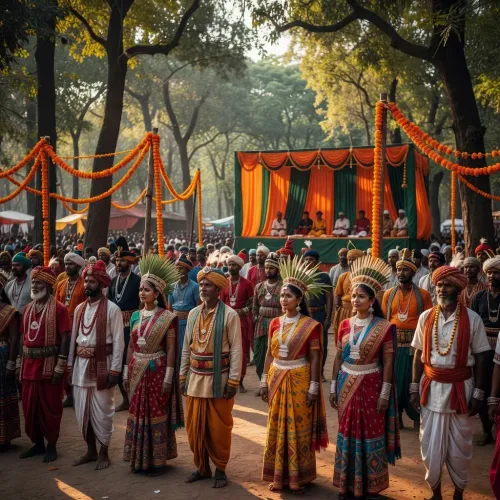
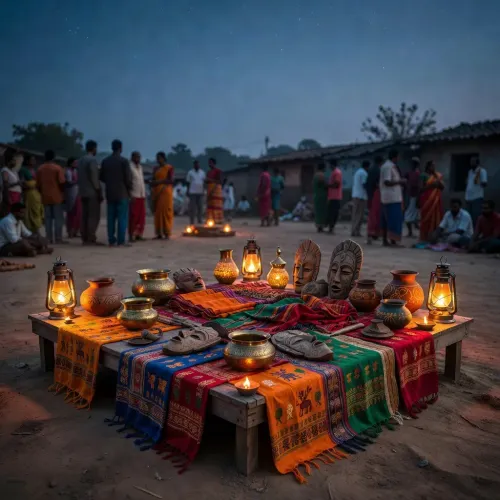
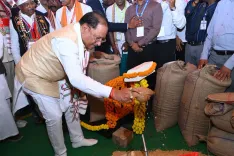
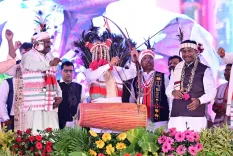
Every year on 15 November, India pauses to remember the tribal freedom fighters whose resistance shaped the nation's independence — and in Chhattisgarh, that pause carries particular weight. Chhattisgarh Chief Minister Vishnu Deo Sai marked Janjatiya Gaurav Diwas 2026 at Dharamjaigarh on Sunday, anchoring the state's celebration with the virtual presence of BJP National President Nitin Navin.
Dharamjaigarh at the centre of a national tribute
In his post, CM Sai described the occasion as one dedicated to honouring 'the indomitable courage, valour, and sacrifice of India's tribal heroes' — and to saluting 'the rich heritage, glorious traditions, and unique contributions of great tribal leaders.' The event at Dharamjaigarh brought together the state government's tribal outreach with the national BJP leadership, connecting a local ceremony to a country-wide symbolic moment.
Chhattisgarh is one of India's states with the largest tribal populations, making it a natural stage for such observances. The town of Dharamjaigarh in Raigarh district sits in a belt historically associated with tribal communities, lending the venue its own resonance.
Birsa Munda's birth anniversary and the founding of the day
Janjatiya Gaurav Diwas was formally instituted by the Government of India in 2021 on the birth anniversary of Birsa Munda, the legendary Jharkhand-born tribal freedom fighter who led the Ulgulan uprising against colonial rule in the late 19th century. The date — 15 November — is now observed nationally each year to bring tribal cultural heritage and the role of tribal heroes in India's freedom struggle into the mainstream public consciousness. The choice of Munda's birth anniversary as the anchor was itself a political and cultural statement: a formal acknowledgment that the tribal freedom struggle had been underrepresented in India's official historical memory.
Modi government's tribal welfare arc and Chhattisgarh's role
Prime Minister Narendra Modi's administration has consistently woven tribal welfare into its governance narrative, linking symbolic recognition — ceremonies, statues, national observances — with targeted policy instruments such as the Vanbandhu Kalyan Yojana and programmes for Particularly Vulnerable Tribal Groups (PVTGs) that have run in Chhattisgarh and other states since the mid-2010s. CM Sai echoed this linkage directly in his message, writing that 'under the guidance of respected Prime Minister Shri Narendra Modi, our government continuously works for the honour and all-round development of tribal society.'
The pattern — ceremony plus scheme — has become a recognisable feature of BJP governance in tribal-majority regions. Chhattisgarh hosts the event with particular frequency, its demographic profile making it both a natural venue and a political priority.
Preserving culture, building futures
Sai closed with a forward-looking commitment: walking in the footsteps of great tribal leaders, his government remains 'continuously engaged in preserving their glorious culture, traditions, and heritage, and in building a bright future for tribal society.' The hashtag #JanjatiyaGauravDiwas trended alongside #जोहार_नितिन_जी — 'Johar' being a traditional tribal greeting of respect — underlining how deeply cultural symbolism is woven into the politics of the day.
For Chhattisgarh's tribal communities, the question now turns to what the ceremonies translate into on the ground: infrastructure in scheduled areas, land rights enforcement, and educational access in the state's forested interior.
Point of View
Allowing the party to simultaneously claim historical credit for recognising tribal freedom fighters and frame current welfare schemes as the living continuation of that legacy. For Chhattisgarh — where tribal communities form a decisive vote bloc — hosting the event carries strategic weight beyond ceremony. CM Sai's framing, linking the observance directly to PM Modi's guidance, reinforces a vertical loyalty narrative that ties state governance to central leadership. The long-term test, analysts note, is whether the cultural investment translates into measurable outcomes on land rights, forest governance, and PVTG welfare in the state's interior.
NationPress
15 Nov 2026
Frequently Asked Questions
What is Janjatiya Gaurav Diwas and why is it celebrated on 15 November?
Janjatiya Gaurav Diwas is a national observance instituted by the Government of India in 2021 to honour tribal freedom fighters and cultural heritage. It is held on 15 November because that is the birth anniversary of Birsa Munda , the iconic tribal hero who led the Ulgulan uprising against British colonial rule.
Where was Janjatiya Gaurav Diwas 2026 held in Chhattisgarh?
The Chhattisgarh state event for Janjatiya Gaurav Diwas 2026 was held at Dharamjaigarh in Raigarh district, with CM Vishnu Deo Sai presiding and BJP National President Nitin Navin joining virtually.
Who is Vishnu Deo Sai?
Vishnu Deo Sai is the Chief Minister of Chhattisgarh and a senior BJP leader. He is himself from a tribal community, making his leadership of tribal welfare events particularly significant for the state's indigenous population.
What tribal welfare schemes has the BJP government run in Chhattisgarh?
Key programmes include the Vanbandhu Kalyan Yojana , which targets holistic tribal development, and central schemes for Particularly Vulnerable Tribal Groups (PVTGs) , covering infrastructure, education, and livelihood support in scheduled areas of Chhattisgarh and other states.
What does 'Johar' mean in the context of this event?
Johar is a traditional greeting of respect and solidarity used by tribal communities, particularly in Jharkhand and Chhattisgarh. Its use in the hashtag #जोहार_नितिन_जी at the event reflects the deliberate centering of tribal cultural identity in the observance.